二○一五年,阿赫梅特辛娜到莫斯科報考格涅辛音樂學校,雖然術科滿分,學科卻不及格。情緒低落的她告訴尤蘇波娃要放棄歌唱,實踐一年前和媽媽的協議,也就是和家人一樣,安份在家鄉當個警察。就當阿赫梅特辛娜從莫斯科搭火車回烏法的時候,遇到比落榜更慘的事:車禍。她傷到下巴和肩膀,再加上受到驚嚇的心理因素,幾乎失去聲音。尤蘇波娃不准阿赫梅特辛娜回去當警察,也不讓她去報考大學其他科系,而是以參加聲樂比賽幫她找回聲音。二○一六年,阿赫梅特辛娜在莫斯科第四屆新歌劇世界國際聲樂比賽(New Opera World)得到首獎,引起評審團主席,也就是倫敦皇家歌劇院傑特·帕克青年藝術家計劃藝術總監高蘭(David Gowland)注意,還認識國際藝術管理公司TACT董事,也是她後來的經紀人科佩茨(Marcin Kopec)。兩人商議後,決定邀請阿赫梅特辛娜到倫敦參加青年藝術家計劃甄選。名額只有五位,競爭者卻有三百六十五名,而且歌劇院希望歌手滿二十五歲以後再來參加甄試。
二十歲的阿赫梅特辛娜錄取了,英語只會「你好,我叫愛古麗」(Hello, my name is Aigul)的她靠著手機的Google翻譯,獨自一人飛往倫敦展開兩年培訓,第一天就參加彼得‧布魯克(Peter Brook)創新改編的作品《卡門悲劇》(La Tragédie de Carmen)排練。她必須邊排練邊學法語、英語和義大利語,學習完全不懂的劇院工作模式,學習法語演唱技巧⋯⋯每天都含著淚想打包回家。二○一八年年底,傳奇性的救火演出《卡門》讓阿赫梅特辛娜得到樂界注意,二○二四年初成為笛卡唱片三十多年來第一位簽約的次女高音。
無論是〈愛情是一隻難以馴服的鳥兒〉(L'amour est un oiseau rebelle)還是〈在塞維亞附近的城牆〉(Près des remparts de Séville),都可以聽出阿赫梅特辛娜並不是一個標榜戲劇性的卡門,但是她的音色均勻流暢,低音渾厚有力,高音圓潤飽滿而且有光澤,無論是聲音層次感還是戲劇表現力,都有她個人獨特的風味與控制力。最後一首巴什基爾民謠《夜鶯》(Ҡандуғас)是一個很美麗的句點。阿赫梅特辛娜從小演唱巴什基爾民謠,民謠中的很多旋律延展性與裝飾音都和歌劇非常類似,因此小時候愛唱歌的經驗,帶給她日後演唱歌劇的基礎訓練與耐力,「這就是我為什麼能走到今天的原因」。
When people think of Russia, they often associate it with the Slavic ethnicity. While the majority of Russians are East Slavs, there are significant minorities like the Bashkirs, a Turkic-speaking people from the Republic of Bashkortostan. Mezzo-soprano Aigul Akhmetshina, along with renowned artists like bass Ildar Abdrazakov and violinist Alina Ibragimova, hails from this ethnic group.
Akhmetshina's rise in opera was nothing short of miraculous. In December 2018, at age 22, she stepped in last minute to perform the title role in Carmen at the Royal Opera House in London when the lead, Anna Goryachova, had to withdraw. As part of the Jette Parker Young Artists Programme, she was originally cast in a minor role, but her familiarity with the production allowed her to take on the demanding lead role with just two days' preparation. Her performance earned her the nickname "Baby Carmen" and established her as one of the youngest Carmens in the Royal Opera House's history. In April 2024, she broke another record, becoming the youngest Carmen ever at the Metropolitan Opera in New York.
Born in 1996 in a remote village near the Ural Mountains named Kirgiz-Miyaki, Akhmetshina's name, "Aigul," means "moonflower" in Turkic languages, symbolizing purity and beauty. Raised by a single mother who worked as a police administrator, Akhmetshina grew up in a family with a love for singing, often performing folk songs accompanied by her grandfather's accordion.
Her passion for singing began at an early age, but her rural school lacked vocal training. She initially learned the accordion but switched to singing as soon as voice lessons became available. After an early vocal strain, a mentor Neilya Yusupova helped her recover and guided her toward formal training. Despite setbacks, including failing the academic portion of her Gnessin School of Music in Moscow audition and a traumatic car accident, she persevered.
Akhmetshina moved to London in 2016 at the age of 20, barely speaking English. Armed with Google Translate, she began a rigorous two-year training program. Her big break came with the 2018 Carmen performance, which brought her international attention. In 2024, she became the first mezzo-soprano in over three decades to sign with Decca Records.
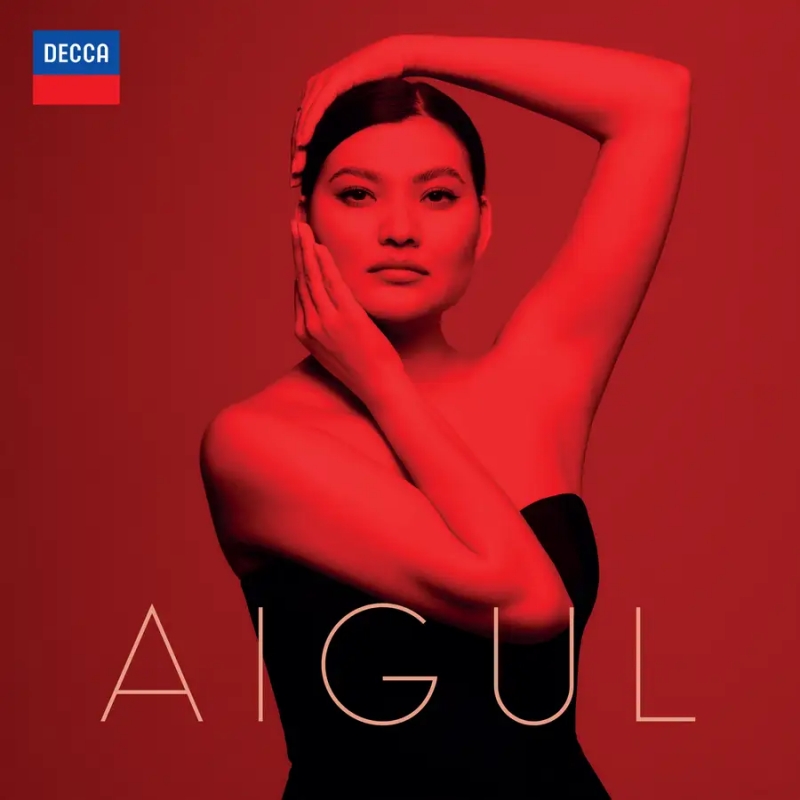
Aigul Akhmetshina's mixed Bashkir and Tatar heritage gives her a striking appearance that contrasts with the stereotypical image of a Russian in the West. Some have even speculated she might have Asian, Indian, or Latin roots. For her debut album "Aigul", Decca chose to highlight her exotic-sounding name and used a close-up portrait to emphasize her unique look. The repertoire includes pieces from Carmen, Massenet's Werther, Bellini's I Capuleti e i Montecchi (her first trouser role as Romeo), and Rossini's La Cenerentola.
In her performances of Carmen, such as "L'amour est un oiseau rebelle" and "Près des remparts de Séville" , Akhmetshina doesn't aim for a dramatic Carmen. Instead, her voice stands out for its evenness, rich and powerful low tones, and bright, polished high notes. She brings a unique flavor and control to both vocal nuance and dramatic expression. The album concludes beautifully with the Bashkir folk song The Nightingale (Ҡандуғас), a nod to her roots.
Akhmetshina grew up singing Bashkir folk songs, which share melodic ornamentation and phrasing similar to opera. These early singing experiences gave her the stamina and vocal training that laid the foundation for her operatic career. As she reflects, "This is why I am where I am today."
*This English version is a concise summary of the original Chinese article.*
AIGUL
Aigul Akhmetshina (mezzo-soprano), Freddie De Tommaso (tenor), Elisabeth Boudreault (soprano), Kezia Bienek (mezzo-soprano), Royal Philharmonic Orchestra, Apollo Voices, Daniele Rustioni
November 2023 / February 2024, St. Jude-On-The-Hill, London


 陳效真作品集
發表留言