技藝超群卻暗淡無光?被遺忘的金牌得主馬斯列耶夫
  二○一五年的柴科夫斯基鋼琴大賽堪稱是「詭異」的一屆。比賽結束後近十年,並列第二名的格紐沙斯(Lukas Geniušas)與黎卓宇(George Li)在國際樂壇各自大放異彩,第四名的迪巴葛(Lucas Debargue)更在比賽期間就成為眾人矚目的焦點。相較之下,第一名馬斯列耶夫(Dmitry Masleev)的聲勢卻不如其他得獎者。上一屆比賽雖也有知名度極高的第二名孫烈音(Yeol Eum Son)和第三名趙成珍(Seong Jin Cho),但冠軍特里福諾夫(Daniil Trifonov)光芒四射並不在前者之下。所以二○一五年首獎獨遺忘的結果顯得格外反常。

  馬斯列耶夫一九八八年出生於俄羅斯貝加爾湖與蒙古邊境之間的烏蘭烏德(Ulan-Ude),父母皆為地質學家,對音樂毫無興趣。他開始學鋼琴純屬一個美妙的誤會:母親原想讓他進入數學班培養邏輯思考能力,卻意外走錯教室,讓他進入音樂班的甄試考場。老師發現七歲的馬斯列耶夫擁有出色的聽力,於是他被家鄉一所普通學校附設的音樂班錄取。七年後,家人決定讓他接受更專業的音樂訓練,於是他隨祖母搬到新西伯利亞市,進入專門培養年輕音樂人才的新西伯利亞專業音樂學校(Novosibirsk Special Music School)。該校最著名的校友就是列賓(Vadim Repin)和凡格洛夫(Maxim Vengerov)。十八歲那年,馬斯列耶夫進入莫斯科音樂學院,師從佩圖霍夫(Mikhail Petukhov),之後如大多數青年學子般,積極參加音樂比賽以爭取機會。從莫斯科音樂學院畢業後,他前往錄取率極低的義大利科莫湖國際鋼琴學院(Lake Como International Piano Academy),師從巴什基羅夫(Dmitry Bashkirov)和傅聰,過著近乎「修道院式」的生活,每天專注練習和學習至少七小時,甚至連週遭科莫湖的絕美風景都無暇欣賞。馬斯列耶夫曾經表示,這段義大利的經歷讓他接觸到不同的教學風格與音樂理念,對他的音樂成長至關重要,也為參加柴科夫斯基鋼琴大賽做好準備。比賽時,他已是「高齡」二十七歲,並一舉拿下金獎。

  如同其他大賽得獎者,馬斯列耶夫賽後收到來自全球的演出邀請。二○一七年,他在Melodiya出版第一張專輯,收錄五首史卡拉第的鋼琴奏鳴曲、普羅科菲耶夫第二號鋼琴奏鳴曲以及蕭斯塔科維奇第二號鋼琴協奏曲。然而我反覆聆聽多次,卻未留下任何深刻印象。不到兩年後,他推出合作指揮蘭傑(Vladimir Lande)稱其為「頑皮」(playful)的第二張專輯。這張專輯曲目新奇有趣且討喜,收錄二十世紀三首輕鬆幽默又不失深度的鋼琴協奏曲,包括蕭斯塔科維奇第一號鋼琴協奏曲、蘇聯時期爵士鋼琴家兼作曲家茨法斯曼(Alexander Tsfasman)的《爵士組曲》,以及卡普斯京(Nikolai Kapustin)融合古典形式與爵士語言的第二號鋼琴協奏曲。聽完這張專輯,我開始明白馬斯列耶夫為何成為「被遺忘的首獎得主」:他的技巧無可挑剔,精準、無瑕、乾淨俐落,但在這三首以輕鬆幽默為訴求的作品中,我只感受到他精準執行樂譜上的符號,聽不到蘭傑所描述的「頑皮」在哪裡。隨後發行的柴科夫斯基《季節》也無法再引起我的興趣。

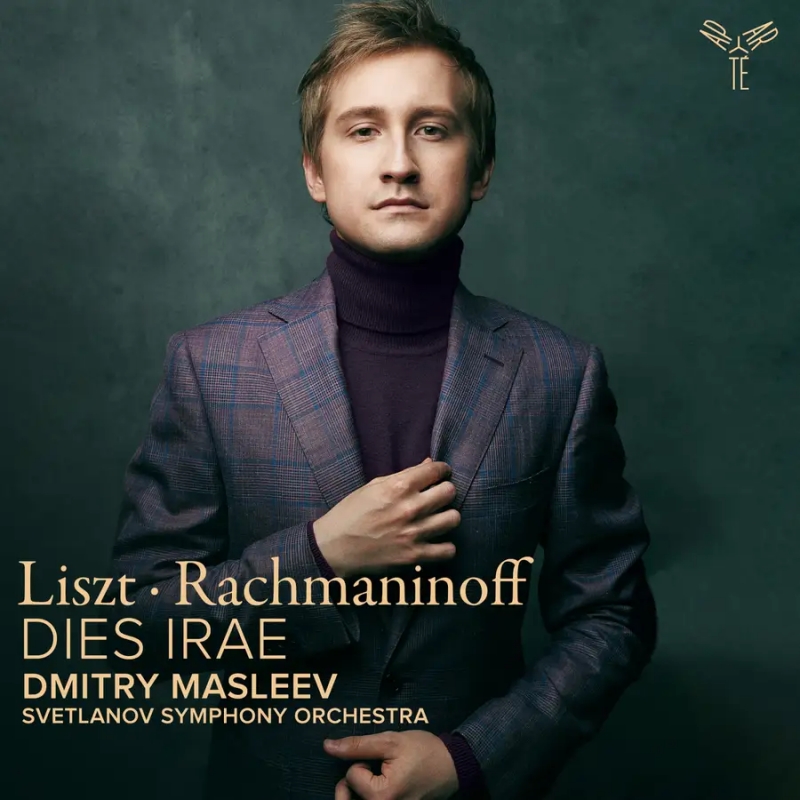
  近期,馬斯列耶夫在訪談中提出許多想法,並推出新專輯「末日經」(Dies Irae),讓我再次拿起他的唱片。「末日經」是葛利果聖歌中最著名的旋律之一,由十三世紀一位姓名不詳的方濟會修士創作,而後常被作曲家引用以象徵死亡,尤其是拉赫曼尼諾夫。這張專輯收錄兩部引用「末日經」旋律的重要作品:李斯特《死之舞》和拉赫曼尼諾夫《帕格尼尼主題狂想曲》。此外,還有一首由他的恩師佩圖霍夫將李斯特鋼琴獨奏曲《西班牙狂想曲》改編成鋼琴與弦樂團編制的作品。專輯以巴赫D小調獨奏鍵盤樂器協奏曲的慢板樂章作為結尾,彷彿一首結束這場末日狂亂的安魂曲。

  馬斯列耶夫原本並非這張專輯的指揮人選,但因原定指揮時間無法配合,他最終決定親自兼任指揮。雖然這是最直接的解決方案,從音樂角度來看卻不盡理想。協奏曲的魅力在於獨奏與樂團間的對話與對比張力,當作品結構較複雜時,即便是經驗豐富的鋼琴指揮家,也往往選擇專注於獨奏,將指揮職責交給一個可以信賴的合作夥伴。指揮不僅要協調節奏,更涉及聲部平衡、音色塑造與細節詮釋。馬斯列耶夫並非專業指揮,導致樂團在許多段落僅能以「自動模式」運行,單純以速度變化配合獨奏,缺乏靈活的音樂處理。

  拉赫曼尼諾夫的《帕格尼尼主題狂想曲》已經有眾多經典錄音,過於保守的樂團伴奏無助於提升這張專輯的市場競爭力。而在李斯特的《西班牙狂想曲》中,佩圖霍夫幾乎保留完整華麗而且浮誇的獨奏部分,他透過弦樂的加入強化對位結構,試圖營造大型交響樂團的音響效果。然而,同樣因為缺乏專業指揮的調控,讓音樂失去應有的層次與變化,變成長達十五分鐘的單一音響轟炸。

  馬斯列耶夫的鋼琴技巧無可挑剔,演奏細膩且高度精確,清晰度與穩定性令人讚賞,尤其在炫技段落中展現出無懈可擊的技術。快速樂段的重複音符處理乾淨俐落,毫不流於機械化。然而,他的音樂性過於克制與嚴謹,缺乏鮮明的個性與人性化的趣味。當今年輕鋼琴家普遍具備卓越技術,真正能脫穎而出的,往往是能展現大膽個性與獨特見解的演奏者。如果缺乏個性鮮明的詮釋與冒險精神,相較更具戲劇性與張力的同儕就會顯得平庸,淹沒在眾多優秀演奏者之中,成為取代性極高的「其中之一」,而非「獨一無二」。

  這張專輯還有一個突兀之處:在解說冊中,雅科夫列娃(Elena Yakovleva)感謝馬斯列耶夫讓她能以這張專輯緬懷父親雅科夫列夫(Vladimir Yakovlev)。然而,這對父女是誰?他們與專輯有何關聯?簡單查詢後發現,雅科夫列娃很可能是馬斯列耶夫的經紀人。若果真如此,在一張國際發行的專輯中毫無脈絡地加入個人哀悼,顯得相當突兀且不專業。

The 2015 Tchaikovsky Piano Competition was an unusual one. Nearly a decade later, the joint second-place winners, Lukas Geniušas and George Li, have flourished on the international stage, while the fourth-place winner, Lucas Debargue, gained widespread attention during the competition itself. In contrast, the first-prize winner, Dmitry Masleev, has not maintained the same level of prominence. This is particularly striking compared to the previous edition, where even though Yeol Eum Son (second place) and Seong Jin Cho (third place) were highly regarded, the champion, Daniil Trifonov, remained the competition's brightest star. Thus, the relative obscurity of the 2015 winner appears unusual.

Masleev was born in 1988 in Ulan-Ude, a city near Lake Baikal and the Mongolian border. His parents, both geologists with no musical background, enrolled him in a music class by accident when his mother mistakenly took him to an audition instead of a math program. Teachers quickly recognized his talent, and he began formal music training. At 14, he moved to Novosibirsk to study at the Novosibirsk Special Music School, which has produced renowned musicians like Vadim Repin and Maxim Vengerov. Later, he attended the Moscow Conservatory under Mikhail Petukhov and pursued further studies at the highly selective Lake Como International Piano Academy in Italy, where he trained intensively under Dmitry Bashkirov and Fou Ts'ong. By the time he won the Tchaikovsky Competition at 27, he had already undergone rigorous preparation.

Following his victory, Masleev received numerous performance invitations. In 2017, he released his debut album under Melodiya, featuring works by Scarlatti, Prokofiev, and Shostakovich. However, despite multiple listens, the album left little lasting impression. His second album, released two years later, was more engaging, featuring three playful yet sophisticated 20th-century piano concertos: Shostakovich’s Piano Concerto No. 1, Alexander Tsfasman’s Jazz Suite, and Nikolai Kapustin’s Piano Concerto No. 2. While the repertoire was intriguing, Masleev’s performance, though technically flawless, lacked the “playfulness” conductor Vladimir Lande described. His later recording of Tchaikovsky’s The Seasons similarly failed to capture interest.

Recently, Masleev has released a new album, Dies Irae. The title refers to a famous Gregorian chant often associated with death, frequently quoted by composers like Rachmaninoff. This album includes Liszt’s Totentanz, Rachmaninoff’s Rhapsody on a Theme of Paganini, and a special arrangement of Liszt’s Spanish Rhapsody by Masleev’s teacher, Mikhail Petukhov. The album concludes with the Adagio from Bach’s D minor Keyboard Concerto, serving as a calm epilogue to the intense musical journey.

Masleev was not the original conductor for this project, but due to scheduling conflicts, he took on the dual role of pianist and conductor. While practical, this decision was musically problematic. Conducting is more than just keeping tempo—it requires shaping balance, color, and interpretation. Since Masleev is not an experienced conductor, the orchestra often functioned on “autopilot”, simply following tempo changes without dynamic musical engagement. This was particularly detrimental in Rachmaninoff’s Rhapsody on a Theme of Paganini, where the orchestral accompaniment was too reserved, reducing the work’s overall impact. Similarly, in Spanish Rhapsody, Petukhov’s orchestration aimed for a grand symphonic effect but lacked necessary nuance, resulting in 15 minutes of unvaried sonic intensity.

Masleev’s technical precision is undeniable. His clarity, control, and flawless execution are especially impressive in virtuosic passages, where his articulation remains crisp and never mechanical. However, his restrained approach to interpretation limits his musical personality. In a competitive era where most pianists possess impeccable technique, those who stand out often do so through bold, unique interpretations. Without a strong artistic identity, even the most skilled performer risks blending into the crowd rather than establishing a distinctive presence.

An unusual element of this album is a dedication in the liner notes by Elena Yakovleva, who thanks Masleev for allowing her to commemorate her father, Vladimir Yakovlev. However, no clear connection between the Yakovlevs and the album is provided. A quick search suggests that Yakovleva might be Masleev’s manager. If true, including a personal tribute in an international release without proper context seems unprofessional and out of place.

*This English version is a concise summary of the original Chinese article.*
LISZT Totentanz, S. 126; Spanish Rhapsody for Piano and String Orchestra (After Liszt's Spanish Rhapsody, S. 254 by Mikhail Petukhov) / RACHMANINOV Rhapsody on a Theme of Paganini, op. 43 / BACH Keyboard Concerto in D Minor, BWV 974 - 2. Adagio
Dmitry Masleev (piano), Svetlanov Symphony Orchestra
June 2023, Mosfilm Recording Studio, Moscow, Russia


 陳效真作品集
發表留言