從崇高聖殿到心靈對話:王健重錄全套巴赫無伴奏組曲
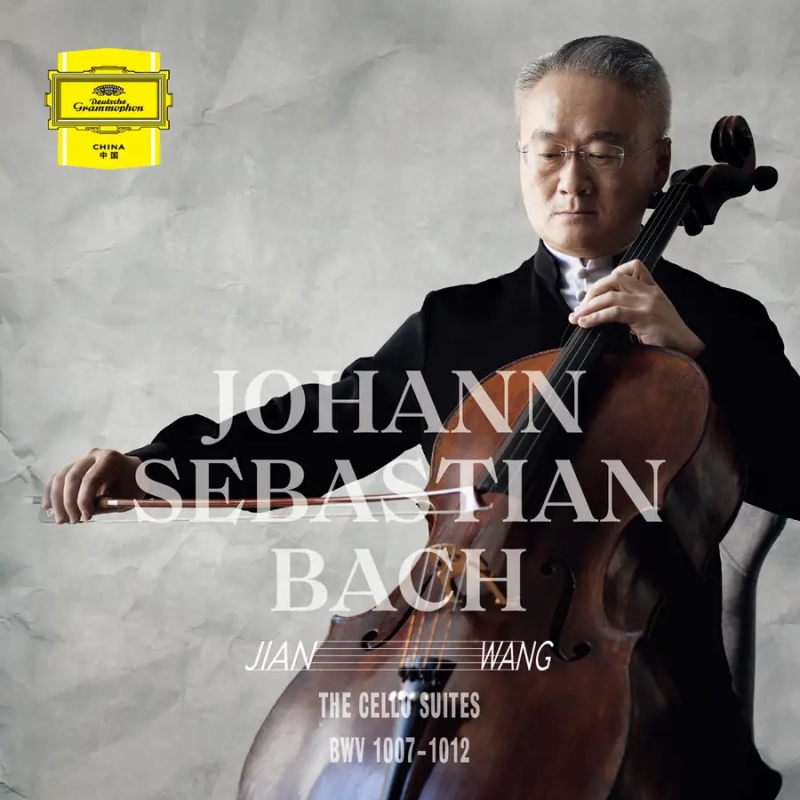
  去年九月得知王健重新錄製巴赫無伴奏大提琴組曲後,我雖然充滿期待,但是剛拿到唱片的時候,卻遲疑是否要寫點什麼?因為我不確定這次的詮釋會帶來多少新的感受。然而,當我聽到第一號組曲第一樂章〈前奏曲〉前幾分鐘,立刻將這張專輯列入我的推薦清單。那仍然是王健,但與二十年前的他已經截然不同。

  對於專業大提琴家來說,巴赫這一組完成於三百多年前的作品無疑是一座必須挑戰的高峰。七、八歲的時候,王健在父親王樹棠的指導下第一次接觸巴赫大提琴無伴奏組曲。但是他並沒有特別喜愛這套作品,只覺得像是「好吃的冰淇淋」一樣悅耳,但是「太複雜,也沒有其他作品那麼有旋律性」。

  十歲以後,王健經常得為外賓演出,甚至出國表演。一次在荷蘭演出巴赫無伴奏組曲某個樂章的時候,因為突然忘譜而中斷。王健當場落淚,但是一位觀眾對他說「這是最難背的作品,不要羞愧。你創造了美麗的音樂」,這句話成為轉折點。巴赫成了王健心靈的避風港,當他對音樂失去感覺就會回到巴赫作品來洗滌一切。

  王健曾經形容這套作品是「通往另一個精神世界的門窗」,「像一面鏡子,映照演奏者的審美,也毫不留情地暴露侷限。」對他而言,這些組曲不僅是音樂,更是「靈魂的棲所」,尤其在獨處或疲憊時,演奏巴赫能讓他「突然往內看,真正看到自己的靈魂」。因此成年之後,他追求的是如何把每一段舞曲演奏得如歌唱般流暢動人,並且從所有角度精緻雕琢樂曲細節,就像是雕塑家仔細打磨大理石一樣。這也就是他在二○○五年發行的首版錄音帶給我的感受:如同音樂聖殿般完美崇高,然而卻帶有些微的距離感。

  錄音出版後,王健數度在獨奏會上安排演出這套作品。隨著年歲增長,他開始意識到這套作品並不是紀念碑,而是關於人與自己的對話,關於如何在孤獨中傾聽內心的聲音。當DG決定在中國成立分公司時,重新灌錄巴赫無伴奏大提琴組曲成了王健的選項,這也是DG在二○二五年五月正式宣布成立「德意志留聲機中國」(DG China)分公司以後的第一張發行。錄音地點在二○一九年下半年開始營運的上音歌劇院排演廳,由和DG合作多年的愛彌兒‧伯林納錄音室(Emil Berliner Studios)錄音師與總經理麥拉德(Rainer Maillard)錄音並且負責後製。王健表示,人的體力從五、六十歲開始下降,而大提琴是非常耗費力氣的樂器,已經五十七歲的他不可能再錄一次,因此這會是最後一版錄音。

  如果要我形容,我會說,第一版錄音是精美的工筆畫,第二版則是一幅幅水墨畫。王健不再追求全方面完美精緻,不願意再三琢磨,「整容過頭」而失去現場的活力。在「音樂連貫性與現場感」的前提下放棄完美,王健容許「不好聽」的聲音出現。然而也因此他的樂句更自由,節奏更具彈性,呼吸起伏更自然。從音樂整體來看,這些許的不完美,恰恰讓巴赫的音樂更顯親切而富有人性,彷彿從神壇走入人間,走入心裡,更容易引發共鳴。

  巴赫無伴奏大提琴組曲是一場終生的修行。從王健二十年前的精雕細琢,到今日更為自然流動、不畏缺陷的詮釋,我們得以窺見一位演奏家如何在時間中調整標準,重新思考什麼是音樂的本質。這不只是關於技巧、風格或錄音條件的差異,更是一種觀念的蛻變——從「完成作品」轉為「對話作品」,從「精準呈現」轉為「真誠流露」。

  對聆聽者而言,這張專輯不一定需要一次聽完,也不必急於比較哪一個版本更好。重要的是,當我們再次聆聽那些熟悉的舞曲與前奏曲,是否也能像王健所說,「看見自己內心的某個角落」,並因此對音樂、對自我,有一點點新的理解。這或許才是這套組曲在三百年後,仍能不斷被演奏、被喜愛的原因。

Last September, when I heard that Jian Wang was re-recording Bach's Cello Suites, I was filled with anticipation. Yet when I finally received the album, I hesitated—uncertain whether there would be enough new insights to justify writing about it. But within the first few minutes of listening to the Prelude of Suite No. 1 (link), I immediately added it to my recommended list. It was still Jian Wang, but clearly no longer the same as he was twenty years ago.

For professional cellists, Bach's suites—composed over 300 years ago—are a mountain that must be climbed. Wang first encountered these works when he was around seven or eight years old, under the guidance of his father. But he didn't particularly enjoy them at the time. He thought they sounded "as pleasant as ice cream," yet "too complex and not as melodic as other pieces."

After turning ten, Wang began to perform frequently for foreign guests and even toured internationally. During a concert in the Netherlands, he suddenly forgot the music while playing a movement from the Suites and had to stop. He cried onstage. But an audience member told him, "This is the hardest piece to memorize. Don't be ashamed. You created beautiful music." That comment became a turning point. Bach became Wang's emotional refuge. Whenever he lost touch with music, he would return to Bach to cleanse everything away.

Wang once described the Suites as "a window into another spiritual world," "a mirror that reflects your aesthetic, while ruthlessly exposing your limitations." To him, these suites are more than music—they are "a place for the soul to rest." Especially when alone or exhausted, playing Bach helps him "suddenly look inward, to truly see his own soul." As he matured, his focus shifted to making each dance movement sing naturally, carefully sculpting every detail from every angle—like a sculptor polishing marble. That's the impression I had from his first recording, released in 2005 : noble and perfect, like a musical cathedral—but also somewhat distant.

After the album was released, Wang continued to perform the Suites in solo recitals. As he grew older, he came to see them not as monuments, but as intimate dialogues with oneself—as a way to listen inwardly in solitude. When Deutsche Grammophon (DG) decided to establish a branch in China, re-recording the Cello Suites became an option. In May 2025, this became DG China's first official release. The recording took place at the rehearsal hall of the Shangyin Opera House, which opened in late 2019. It was produced by Rainer Maillard, producer, general manager and recording engineer of Emil Berliner Studios, a longtime DG collaborator. Wang, now 57, stated that due to the physical demands of playing the cello and the natural decline of strength after age fifty or sixty, this would be his final recording of the Suites.

If I had to describe it, I'd say the first version is like a finely detailed ink painting in the gongbi style, while the second is more like a series of freehand ink washes. Wang no longer strives for flawless perfection. He avoids over-editing or "over-correcting" to preserve the vitality of the moment. In prioritizing musical continuity and a sense of real-time performance, he accepts the occasional "imperfect" sound. But this is precisely what makes the phrasing more flexible, the rhythm more fluid, the breathing more natural. From a broader musical perspective, this slight imperfection makes Bach's music feel more approachable, more human—as if it has stepped down from the altar and into the heart, easier to relate to and resonate with.

Bach's Cello Suites are a lifelong journey. From Wang's meticulous refinement twenty years ago to today's freer, more unguarded interpretation, we see how an artist gradually adjusts his standards over time, and reconsiders what truly matters in music. The difference lies not only in technique, style, or recording environment, but in a deeper shift of perspective—from completing a piece to conversing with it, from presenting with precision to playing with honesty.

For the listener, this album doesn't need to be consumed in one sitting. There's no need to rush to compare which version is "better." What matters is whether, in revisiting these familiar preludes and dances, we—as Wang suggests—can also "glimpse a part of our inner self," and perhaps gain a slightly new understanding of both music and ourselves. That, perhaps, is why this set of suites continues to be played, loved, and listened to, three centuries after its creation.
BACH The Cello Suites
Jian Wang (cello)
September 2024, Shangyin Opera House, Shanghai
BACH The Cello Suites
Jian Wang (cello)
July 2003 & May 2004, Paço de Arcos (Portugal)





 陳效真作品集
發表留言