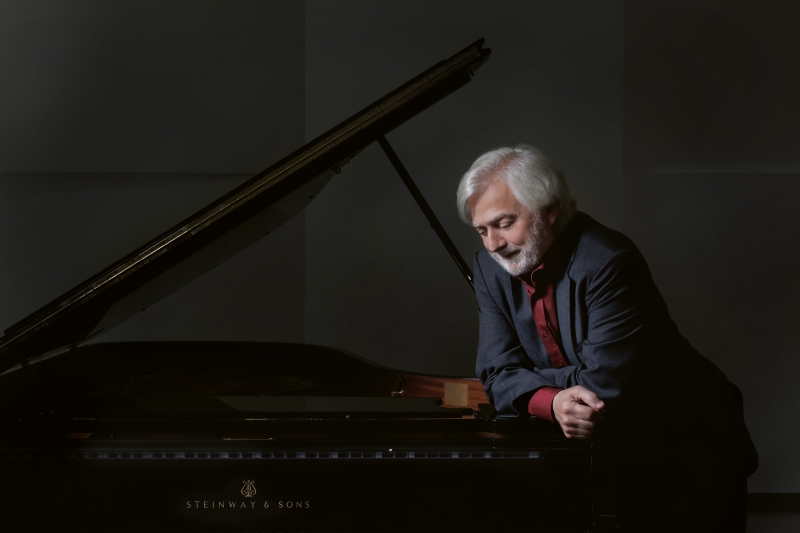
到了入學年齡,父親讓齊瑪曼每天早晨搭火車到二十公里外的大城市卡托維治(Katowice)學鋼琴,卡托維治國立高等音樂學校(Państwowa Wyższa Szkoła Muzyczna w Katowicach)的安傑伊‧亞辛斯基(Andrzej Jasiński)是他唯一的鋼琴老師。一九七五年,十八歲的齊瑪曼贏得第九屆蕭邦國際鋼琴大賽金牌,一舉成名。這雖然不是他第一次在鋼琴比賽拿下首獎,卻是影響最大的一個。齊瑪曼形容,獲獎瞬間是人生最美好的時刻,但是賽後的生活就像收到一個大包裹,裡面什麼都有,包括可以幫助自己實現夢想,卻又干擾想法和生活目標的各種事物,像是媒體、經紀公司。利用比賽帶來的機會,重新找到自我與工作節奏,讓生活與演出取得平衡,是他事業發展初期最重要的功課。
既然認為音樂的目的是與聽眾交流,齊瑪曼對唱片自然抱持懷疑的態度。在齊瑪曼的觀念裡,音樂是時間,而不是聲音。在錄音室裡,麥克風捕捉到的是聲音,不是時間,所以無法傳達音樂表演的精髓。尤其追求聲音清晰度的數位錄音,齊瑪曼更認為它是藝術性的破壞者,是缺乏靈魂的妥協產物。現在以數位技術重製老錄音更是「糟糕透頂」的做法,就像「去羅浮宮脫掉蒙娜麗莎的衣服,發現她沒有穿乾淨的內衣褲,忘了這幅畫的價值是她那抹微笑」。因此在同時期的鋼琴家裡,他的錄音數量與知名度不成比例。齊瑪曼在一九七六年與DG簽約錄製蕭邦兩首鋼琴奏鳴曲,將近五十年過去,齊瑪曼覺得自己的演奏還不夠好,所以一直沒有履約。但是得到蕭邦國際鋼琴大賽首獎以後,他在DG出版的莫札特鋼琴奏鳴曲、蕭邦圓舞曲和布拉姆斯鋼琴奏鳴曲得到很好的評價,只是他沒有允許DG發行CD。接下來和朱里尼(Carlo Maria Giulini)、伯恩斯坦(Leonard Bernstein)合作的協奏曲都得到不錯的評價,但是他認為朱里尼沒有表現出蕭邦是個「醉心於愛情和歌劇的青少年」。為了彌補心中這個遺憾,他在一九九九年紀念蕭邦逝世一百五十週年的時候,自行組創波蘭節慶管弦樂團(Polish Festival Orchestra),從音樂家的甄選、指揮到行政工作的巡演交通住宿,全部一手包辦,徹底實現「百分百齊瑪曼」的理想。DG錄下齊瑪曼與波蘭節慶管弦樂團在義大利杜林的演出實況並且出版,成為當年樂壇熱門話題。
Krystian Zimerman, a Polish pianist known for his perfectionism, believes audiences should attend his concerts for his artistry, not for famous pieces like "Moonlight Sonata". This philosophy reflects his commitment to authenticity, even if it complicates concert promotion, as he provides his repertoire just one month before performances. Despite these challenges, Zimerman's musical brilliance ensures his performances remain highly sought-after.
Born in 1956 in a small Polish mining town, Zimerman grew up in a musical family. His father, a factory manager and music enthusiast, introduced him to piano and chamber music at home. Zimerman began formal piano studies in Katowice under Andrzej Jasiński, his lifelong mentor. At 18, he won the Chopin International Piano Competition, which launched his international career. This success also brought the challenge of balancing artistic goals with external pressures from media and agencies.
Zimerman attributes his versatility to Poland's rich cultural intersections, blending Polish, Russian, German, and French influences. After Poland's martial law in 1981, he relocated with his family to Switzerland, seeking a vibrant creative environment.
Often described as a perfectionist, Zimerman meticulously documents concert programs and acoustic details to ensure every performance is unique. He avoids repeating the same repertoire at the same venue and records his concerts to refine his interpretations. Listening to these recordings during drives, he analyzes flow and structure amid distractions, aiming for artistic perfection.
Zimerman values live performance over recordings. He believes music is about time and emotional exchange with the audience, which microphones cannot fully capture. His skepticism extends to digital recordings, criticizing their clinical clarity and soullessness.
Zimerman's disdain for unauthorized recordings is well-known. He has interrupted concerts to remove suspected recorders, emphasizing that such actions disrupt the artistic experience. He insists that music should be experienced directly, not through inferior-quality recordings.
Despite his cautious approach to recordings, Zimerman has produced notable albums, including live performances with the Polish Festival Orchestra, which he founded to honor Chopin. His recordings of composers like Schubert and Szymanowski have earned critical acclaim, including the prestigious "Gramophone" award.
Ultimately, Zimerman sees performance as a process of sincere emotional communication. For him, true artistry lies in conveying the spirit and intent of the music, not just playing flawless notes. He believes that music's purpose is to connect, inspire, and express beauty and love.
*This English version is a concise summary of the original Chinese article.*

 陳效真作品集
發表留言