先不論現場演出,攤開比雄與畢馬龍古樂合奏團(Ensemble Pygmalion)的唱片目錄,會看到幾張別出心裁、匠心獨運的專輯。例如藉由莫札特為韋伯家,也就是為妻子與姐妹譜寫的歌曲,呈現莫札特不同面向的《莫札特:韋伯姐妹》(Mozart 'The Weber Sisters');拼貼莫札特罕見歌劇,焦點放在他擺脫薩爾茲堡親王主教與父親束縛後的自由創作生活,預示未來「達‧龐特三部曲」巔峰之作的《自由》(Libertà!);或是以十六世紀末佛羅倫斯梅第奇宮廷歌劇創作為主題,展現從文藝復興晚期到早期巴洛克音樂風格轉變的《愛的狂歡!》(Stravaganza d’amore!);還有以萊茵河與少女為主軸,巧妙串聯德國浪漫主義音樂的《萊茵少女》(Rheinmädchen)⋯⋯仔細琢磨這些唱片,會察覺曲目安排是如此經過精心安排。思考音樂、形式、戲劇性和呈現方式,設計出更具戲劇效果的內容,這些都是比雄在國際樂壇獨樹一格地方。
比雄出生於一九八四年,父親是喜歡彈奏古典吉他的雷諾汽車員工,母親則是會彈鋼琴的生物老師。由於住家附近正好有法國為學生提供多元發展機會的「音樂專業學程」(Musique-Études)體系學校,六歲的比雄就這樣偶然走進音樂專業教育。起初學的是小提琴,但是他並不特別熱衷,幾年後,凡爾賽男童合唱團(Maîtrise des Petits Chanteurs de Versailles)的指揮到校幫生病的合唱老師代課,他看出比雄的潛力,建議比雄的父母讓九歲的兒子加入合唱團。起初比雄非常抗拒,但是一次在凡爾賽聖母堂(Église Notre-Dame de Versailles)演出巴赫《聖約翰受難曲》時,他被演唱複音音樂的聲音、空間感與氣氛所震懾。除了後來又學習管風琴和大鍵琴,歌唱成了他生活中的重要大事。合唱團指揮偶爾會讓比雄擔任伴奏或是助理指揮,開啟他對指揮的興趣。
雖然被校方以「左撇子不適合指揮」拒絕兩次,比雄最後還是進入巴黎國立高等音樂舞蹈學院(Conservatoire national supérieur de musique et de danse de Paris)主修聲樂與指揮。畢業後,他以假聲男高音身分和古樂界前輩,像是雷翁哈特(Gustav Leonhardt)、沙瓦爾(Jordi Savall)、庫普曼(Ton Koopman)合作。這些經驗不僅讓他深入了解古樂演奏的歷史實踐,也啟發他對音樂哲學的思考。二○○六年,某個原訂在巴黎巴赫音樂節演出的波蘭樂團臨時取消,二十二歲的比雄抓住時機,自告奮勇接下這場演出,臨時成立一支由年輕音樂家組成的「畢馬龍古樂合奏團」,自此走上專業指揮台。
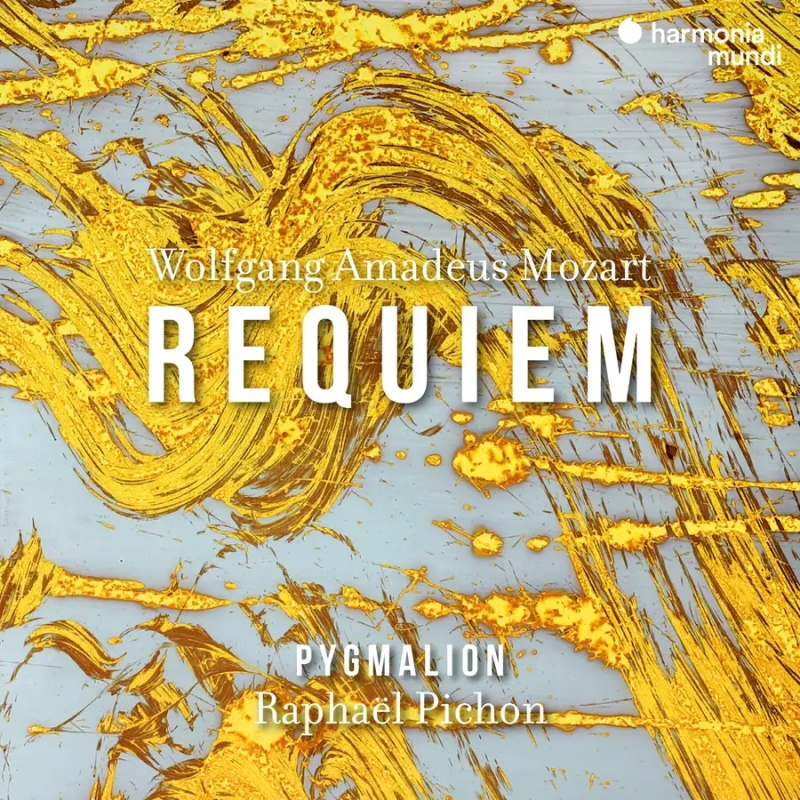
這張莫札特《安魂曲》專輯曲目看似平凡無奇,但是背後同樣也都是比雄滿滿的創意。唱片是二○二三年九月的錄音,但是整個計畫從疫情前二○一九年七月的普羅旺斯地區埃克斯音樂節已經開始,比雄與舞台導演卡斯特魯奇(Romeo Castellucci)把莫札特《安魂曲》改成舞台演出。比雄認為,莫札特《安魂曲》並非單純的死亡悼歌,而是對生命的深刻禮讚,「莫札特的音樂是對生者訴說,而非逝者。」於是從音樂到合唱團的肢體動作,全部以生命的能量為核心。卡斯特魯奇把《安魂曲》塑造成一場關於生命短暫誕生與消逝的情感旅程,透過投射影像與舞台肢體語言,喚起與「生命終結」相關的各種意象,像是滅絕的物種、被遺忘的語言與被破壞的文化遺跡;比雄則大膽重新構建音樂,除了採用莫札特學生蘇斯梅耶(Franz Xaver Süssmayr)續完的版本,還將莫札特早期宗教作品,像是四聲部二主題卡農《啊,生命過於短暫》(Ach, zu kurz ist unsers Lebens Lauf)、《求主憐憫》(Miserere mei)、《非塵非灰》(Ne pulvis et cinis)、《F大調視唱練習曲》(Solfeggio in F major)、《誰能理解祢》(Quis te comprehendat)、《哦,神的羔羊》(O Gottes Lamm)穿插於樂章之間,讓《安魂曲》成為與莫札特創作生涯對話的舞台,也因此強化了戲劇張力。音樂始於也終於童聲獨唱的素歌《願天使導引你到天堂》(In Paradisum),呼應人生的短暫與永恆。對於以這種方式解讀《安魂曲》是否恰當?比雄僅以影響他觀念至深的阿農庫爾(Nikolaus Harnoncourt)名言回應:古樂的目的是「喚醒某些被遺忘的靈魂」,重燃古代音樂的精神內涵與現代聽眾產生共鳴,而不是展示已經消亡的遺蹟。
《安魂曲》之後,比雄與卡斯特魯奇於二○二四年十一月在荷蘭推出結合十六世紀末到十七世紀初的文藝復興音樂與現代電子音樂,靈感來自佛羅倫斯早期歌劇實驗精神,探索愛情黑暗面的作品《愛洛斯之淚》(Le lacrime di Eros)。而創造力似乎不會枯竭的他,在四個月前,也就是七月的普羅旺斯地區埃克斯音樂節與德國歌劇導演古特(Claus Guth)發表續完拉摩(Jean-Philippe Rameau)與法國啟蒙時代哲學家與文學家伏爾泰(Voltaire)在一七三三年未完成的歌劇《參孫》(Samson),巧妙地將拉摩其他作品中的片段拼湊在一起,創造出一個連貫的整體。相信不久後,比雄與畢馬龍古樂合奏團的唱片目錄很快會出現這兩部作品。
Pierre Audi, the long-time director of Dutch National Opera and current head of the Festival d'Aix-en-Provence, described French conductor Raphaël Pichon as a “visionary artist” who is “much more than a baton-wielding conductor” but also a “creative entrepreneur.” This unique artistry is evident in both Pichon's live performances and recordings with Ensemble Pygmalion, showcasing his ability to reimagine classical music with fresh perspectives.
Innovative Albums
Pichon's discography features carefully curated and imaginative projects: • Mozart: The Weber Sisters: A collection of Mozart's works dedicated to his wife and her sisters, revealing a personal and emotional dimension. • Libertà!: A mosaic of lesser-known Mozart operatic works, focusing on his creative freedom after breaking away from Salzburg's constraints. • Stravaganza d'amore!: An exploration of early opera from the Medici court, bridging late Renaissance and early Baroque styles. • Rheinmädchen: A concept album linking German Romantic music through the theme of the Rhine and its mythical figures.
Each project reflects Pichon's thoughtful approach to music programming, emphasizing narrative, emotional depth, and theatricality.
The Journey to Pygmalion
Born in 1984 to musically inclined parents, Pichon discovered his passion for music through a choir experience at age nine. His interest in conducting grew during his time with the Maîtrise des Petits Chanteurs de Versailles. Despite initial setbacks—his left-handedness was deemed unsuitable for conducting—he persevered and graduated from the Paris Conservatoire, specializing in voice and conducting.
In 2006, at just 22, Pichon founded Ensemble Pygmalion after a last-minute opportunity to perform at the Paris Bach Festival. Inspired by Jean-Philippe Rameau's opera Pygmalion, Pichon likened a musician's work to sculpting, meticulously crafting sound until it comes to life.
Mozart's Requiem: A Celebration of Life
Pichon's interpretation of Mozart's Requiem exemplifies his creative philosophy. First staged in 2019 at the Aix-en-Provence Festival with director Romeo Castellucci, the performance reimagined the work as a tribute to life rather than a lament for death. Castellucci incorporated evocative imagery of extinction, forgotten languages, and destroyed cultural artifacts, while Pichon reconstructed the music to enhance its emotional and dramatic impact.
The album version (2023) features Süssmayr's traditional completion of the Requiem but intersperses Mozart's lesser-known religious works, such as: • Ach, zu kurz ist unsers Lebens Lauf • Miserere mei • Ne pulvis et cinis
These additions create a dialogue between Mozart's early and late works, heightening the Requiem's dramatic tension. Beginning and ending with the plainchant In Paradisum, the album reflects the fleeting nature of life and the eternal.
Pichon ultimately chose Süssmayr's version, despite its flaws, believing it most faithfully captures Mozart's intentions, particularly in movements like the Agnus Dei. For Pichon, authenticity lies in emotional resonance rather than technical perfection.
Expanding Horizons
Pichon continues to push boundaries. Recent projects include: • Le lacrime di Eros (2024): A blend of late Renaissance music and modern electronic soundscapes, exploring the dark side of love. • Samson (2024): A completion of Rameau's unfinished opera, weaving together excerpts from his other works into a cohesive narrative.
Through such endeavors, Pichon redefines classical music as a deeply emotional and intellectual journey, making it resonate with modern audiences while preserving its historical essence.
*This English version is a concise summary of the original Chinese article.*
MOZART Requiem
Chadi Lazreq (treble), 方穎(Ying Fang, soprano), Beth Taylor (mezzo), Laurence Kilsby (tenor), Alex Rosen (bass)
Pygmalion, Raphaël Pichon
September 2023, Grand Manège de Namur (Belgique)



發表留言