
在音樂中找到跨越政治立場的和諧:列維特與提勒曼攜手詮釋布拉姆斯
  看到出生於俄羅斯的猶太裔德國鋼琴家列維特(Igor Levit)與提勒曼(Christian Thielemann)合作出專輯,我非常驚訝。因為怎麼想,這都不像是會主動合作的兩個人。除了音樂上的表現,列維特在樂界最大的爭議之一,就是非常熱衷在社群媒體上大談政治議題。他認為參與政治是每個人的責任,每一部音樂作品都蘊含某種政治情感。所以除了不斷發表政治言論,以尖銳的口氣批評世界局勢、右翼民粹主義、英國脫歐⋯⋯等。他也常參加政治集會,在音樂會上表態。但是長期觀察他在政治議題上的說法與做法,又很容易看出列維特的反覆、矛盾與情緒化。舉例來說,他對「鋼琴家暨政治行動者」這樣的分類感到厭煩,但是,是他自己把音樂和政治綁在一起;俄羅斯與烏克蘭爆發戰爭初期,列維特馬上關掉社群帳號,宣布「僅以音樂回應政治事件」,但是幾天後又重開帳號表明支持烏克蘭,在音樂會上大奏烏克蘭國歌,不免讓人有看風向的感覺。列維特反右翼、批評反猶太主義的立場非常明顯,但是,提勒曼不就是出了名被歸類到右翼保守派的音樂家嗎?

  記得提勒曼剛受到國際樂壇注意時,經常得在音樂之外澄清自己「沒有贊同納粹」。三十多年過去,在各種訪談中,還是經常看到提勒曼在澄清類似的議題。他並不公開支持德國極右政黨「德國選擇黨」,但「德國選擇黨」卻明確表示支持他。再加上剛出道時被冠上「年輕的卡拉揚」封號,演出選曲又偏好晚期德奧浪漫主義,尤其華格納、布拉姆斯和理查‧史特勞斯等作曲家的作品,風格被認為是延續福特萬格勒(Wilhelm Furtwängler)等正宗血統「老派」德國指揮。當提勒曼在二○一九年首度指揮維也納愛樂新年音樂會時,立刻有媒體大酸背後理由是因為奧地利極右翼政黨自由黨在二○一八年重返執政使然。「保守主義」、「右翼份子」的標籤一直貼在提勒曼的身上撕不下來。

  那麼,一個收過右翼份子死亡威脅的鋼琴家,在維也納與一個被認為是右翼份子的指揮合作,竟是為什麼呢?理由還是音樂理念上的契合。

  二○一五年,提勒曼與德勒斯登國家管弦樂團在慕尼黑演出,因為鋼琴家臨時取消,列維特接到請求救火的電話,曲目是他從來沒有演出過的莫札特第二十一號鋼琴協奏曲,而且排練時間只有四十分鐘。雖然時間極度緊縮,只能透過彼此的即興反應與默契對話,列維特卻認為這是一次非常愉快的合作。只是除了後來在飛機上巧遇,兩人在演出結束後共進晚餐之後,就再也沒有聯絡,直到二○二一年年底才有機會合作蓋希文《藍色狂想曲》。

  接下來是柏林的會面。兩人在湖邊散步時,提勒曼和列維特談到音樂,討論演奏哲學,最後在布拉姆斯的鋼琴協奏曲中找到共鳴。剛好當時提勒曼要與維也納愛樂合作布拉姆斯的交響曲系列音樂會,於是順理成章邀請列維特演出協奏曲。兩部協奏曲分別在二○二三年年底與次年四月完成錄音,列維特另外於一、二月在漢諾瓦完成布拉姆斯四首晚期鋼琴獨奏曲。

  提勒曼提過布拉姆斯的第一號鋼琴協奏曲猶如一部未完成的交響樂,開頭雖然具有強烈的英雄氣概,但是不應該處理得過於誇張。「我過去犯過這樣的錯誤,這次我會努力讓它顯得精緻點。」這一點從兩人合奏時,第一樂章開場的管弦樂齊奏就非常明顯。它像是一個鋪陳的起始,而不是馬上毫無保留的全盤托出。布拉姆斯的協奏曲繁複艱難,列維特曾忍不住說「有時候我真的很想對作曲家說:『能不能給我一個可以鬆口氣的地方?』」即使如此,列維特仍堅持第二號鋼琴協奏曲聽起來應該是「嘴裡叼著小花,在奧地利山區牧場邊走邊哼唱那樣充滿詩意」。唱片解說冊裡的對話記錄,可以看出兩人極其強調布拉姆斯的細緻面,以及指揮與獨奏間的即興互動與信任。但是付諸實現的效果呢?

  這樣的理念在現場音樂會上也許可行,因為藝術家的反覆不定、自我顛覆與突發即興,往往是再創造的動力。透過演出者臨場表現,可以讓每場演出都獨一無二。我可以想像如果連聽五場,一定會為他們打造出來的五種布拉姆斯面貌大感興奮。只是當其中一場被圈箍在無法變動的唱片時,對我而言,無法完全理解他們看待布拉姆斯的角度。現場演出或許可以看到音樂家之間投捕、對話、即興、甚至故意唱反調等互動上的效果,因而明瞭樂曲詮釋的邏輯。但是唱片只錄下聲音,雖然把樂團和獨奏分開來欣賞,會發現很多有趣新鮮的處理。但另一方面也聽到兩人各自專注於自己經營的細節,缺少布拉姆斯作品最重要的整體結構。加上錄音效果並不理想,清晰度和層次感不足,也就使兩人意圖搭建的效果更顯模糊。獨奏曲部份因為只有一人演奏,列維特對布拉姆斯作品的論述倒是較為清晰,同樣延續冷靜、注重細節的處理風格,特別是音色與情感的變化。
列維特與提勒曼的合作理念不是不可行,但是當他們決定錄製唱片時,我認為應該找出能顧及兩人理念,同時又適合唱片媒體特性的詮釋手法。這套唱片最後的句點,是列維特與提勒曼以鋼琴四手聯彈演奏布拉姆斯A大調圓舞曲。兩人在一架鋼琴上和諧一體的表現,說明所謂政治理念只是紛擾的世間表象,也許在音樂裡可以找到純淨、同質的人性本源。
The collaboration between Russian-born Jewish-German pianist Igor Levit and conductor Christian Thielemann has surprised many, as they seem an unlikely duo. Levit is known for blending his music with strong political views, often expressing his opinions on social media and through performances. In contrast, Thielemann, often associated with conservative and traditional musical interpretations, has faced lingering controversy over his political image throughout his career. Despite these differences, their recent collaboration stems from a shared musical vision.
Their first encounter was in 2015, when Levit stepped in at short notice to perform Mozart’s Piano Concerto No. 21 with Thielemann and the Dresden Staatskapelle. The rushed rehearsal left little time for preparation, yet both musicians found the experience highly rewarding. Years later, a chance meeting rekindled their connection, leading to discussions on musical philosophy and an eventual partnership on Brahms’ Piano Concertos.
Their joint performances highlight an emphasis on Brahms’ subtleties. Thielemann approaches the first concerto not as a grand heroic statement but as an intricate and restrained piece, avoiding excesses. Levit, grappling with the technical demands of Brahms, strives to maintain a poetic and lyrical quality, describing the second concerto as something akin to “humming a tune while walking through Austrian meadows". Their dialogue in the album liner notes reveals a focus on trust and spontaneity, essential elements in their interpretation.
While their ideas may thrive in live performances, where improvisation and interaction create unique experiences, the transition to a recorded format presents challenges. A studio recording captures only sound, leaving out the dynamic, visual interplay between soloist and conductor. Despite interesting individual details in their interpretation, the album’s lack of structural coherence and subpar recording quality dilute the intended effect.
Levit’s solo recordings of Brahms’ late piano works on the same album are more convincing. His controlled, detail-oriented style explores the nuances of tone and emotion with clarity. The album concludes with a four-hand piano rendition of Brahms’ Waltzes in A major, symbolizing a harmonious unity transcending their political differences.
Ultimately, Levit and Thielemann’s collaboration showcases their dedication to Brahms’ music. However, for their recording to fully realize its potential, a more cohesive approach tailored to the strengths of the medium may be necessary.
*This English version is a concise summary of the original Chinese article.*
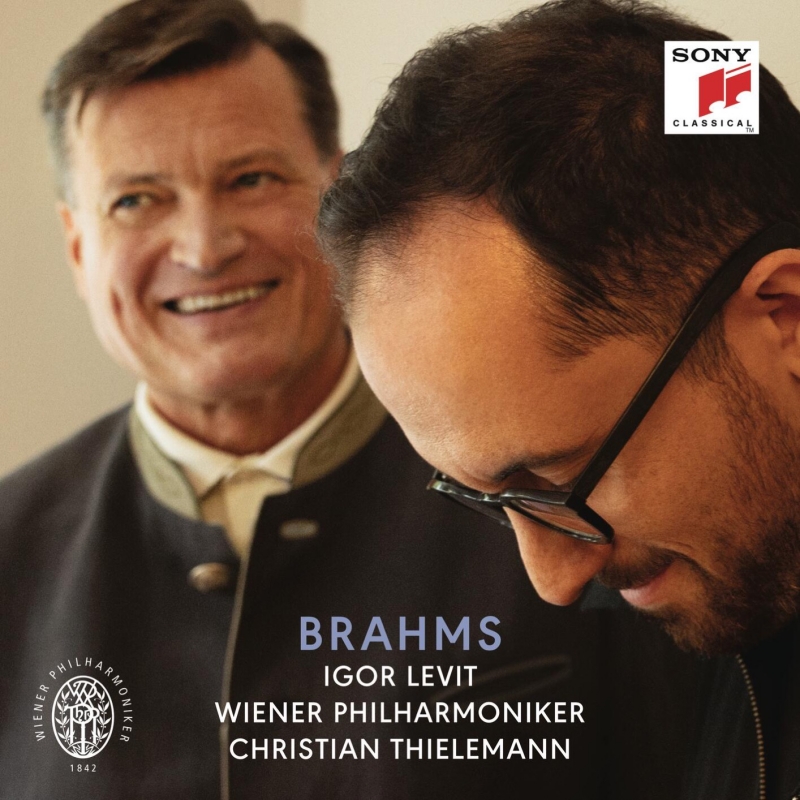
BRAHMS Piano Concertos; Fantasies, op. 116; Intermezzi, op. 117; Klavierstücke, op. 118; Klavierstücke , op. 119;
Igor Levit (piano), Wiener Philharmoniker, Christian Thielemann
Musikverein, Vienna


發表留言