Johann Sebastian Bach's mastery of counterpoint and clear structural layering make his music highly adaptable for different instruments and arrangements. Over the centuries, many musicians—including Edward Elgar, Alexander Siloti, Ferruccio Busoni, Sergey Rachmaninov, Leopold Stokowski, Myra Hess, and Wilhelm Kempff—have reimagined Bach's works, bringing new interpretations and expanding performance possibilities. Bach's compositions can be seen as outlines, allowing later artists to add their own colors and creativity while preserving the essence of his genius.
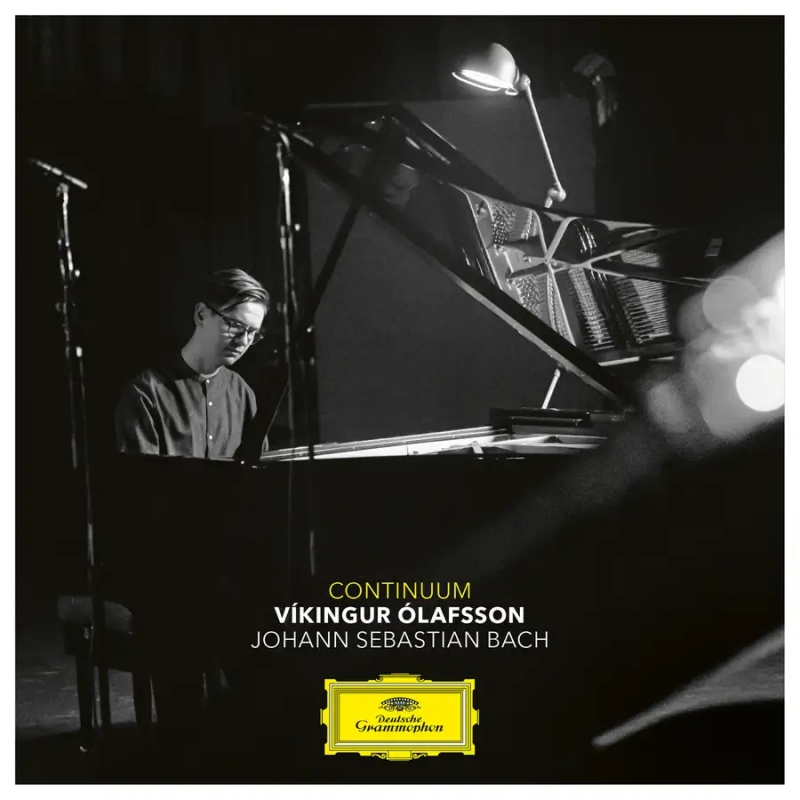
In the latter half of 2024, several new recordings featuring piano transcriptions of Bach's music have been released. Among them, Icelandic pianist Víkingur Ólafsson's album Continuum, released in October, has received the most attention. Following the success of his Goldberg Variations, which achieved nearly 100 million streams and earned the 2025 Grammy Award for Best Classical Instrumental Solo, expectations were high for his next Bach recording.
The title Continuum reflects Víkingur's view that music is a constantly flowing stream, where interpretations evolve over centuries while the essence of Bach's music remains unchanged. The album features six pieces, including four of his own arrangements of Bach's cantata movements, Harold Bauer's transcription of Komm, süßer Tod, and György Kurtág's four-hand piano adaptation of Das alte Jahr vergangen ist, performed with his wife, Halla Oddný Magnúsdóttir. Víkingur's performance balances precision with deep emotion, particularly in his handling of pauses, which create a sense of spacious contemplation.
Another significant release is French pianist Alexandre Tharaud's Bach album, which also focuses on his own transcriptions, reflecting his personal interpretation of Bach's aesthetics. His selection includes original keyboard works, lute pieces, and sacred music, presented in a style reminiscent of Liszt and Busoni, using modern piano techniques to bring new colors to Bach's music. Tharaud, known for his skill in shaping musical depth and layering, brings a lyrical, almost vocal fluidity to the piano. His performance of Herr, unser Herrscher from the St. John Passion stands out for its striking sense of structure, while the delicate singing quality in the Sicilienne is equally captivating. However, for me, the album leans more towards auditory pleasure, lacking the emotional depth found in Víkingur's recording.
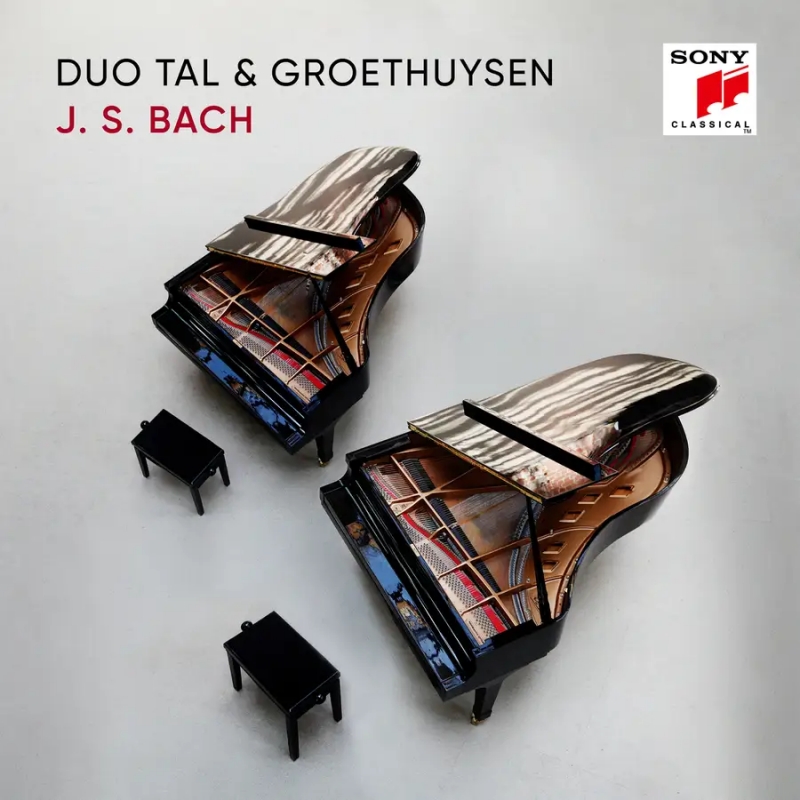
The piano duo Tal & Groethuysen—Yaara Tal and Andreas Groethuysen—have also released an album of Bach transcriptions for two pianos, including cantata movements, concertos, and organ works. Due to the variety of arrangers featured, the album presents a diverse yet somewhat fragmented style. Their performance highlights the interplay between two pianos, enhancing Bach's polyphony with contrasting textures. Their rendition of Jesus bleibet meine Freude avoids clichés, offering fresh perspectives, while their energetic interpretation of the Brandenburg Concerto No. 6 stands out for its dynamic expressiveness.
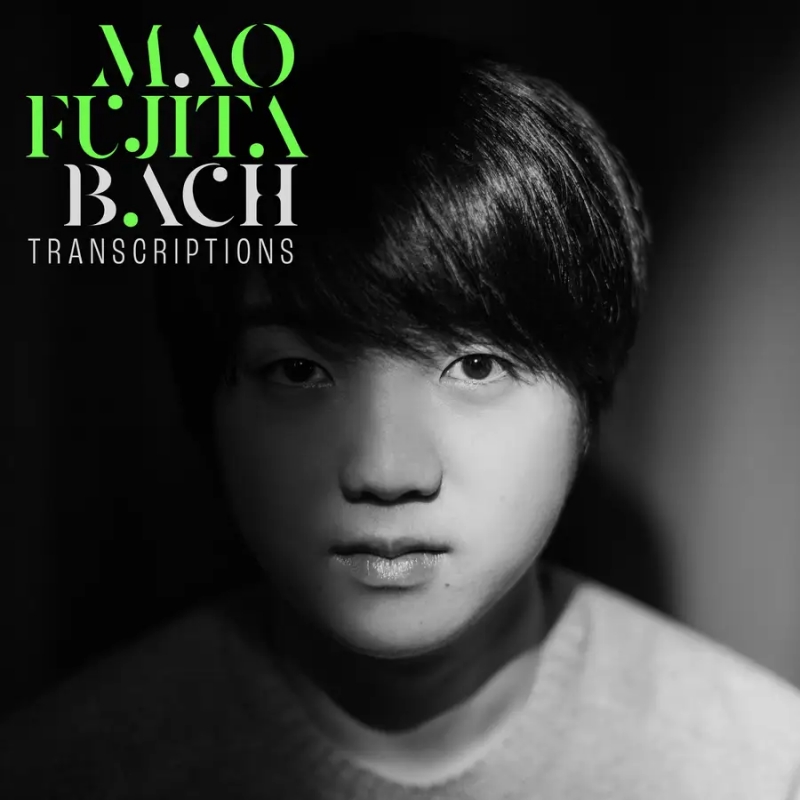
Lastly, Japanese pianist Mao Fujita released a shorter EP focusing on transcriptions by Siloti and Rachmaninov. Fujita, who gained international recognition from competitions like the Tchaikovsky Competition, demonstrates his strengths through the contrast between Siloti's delicate, lyrical approach and Rachmaninov's grand, expressive style. His performance of Siloti's E minor Prelude and the Andante from Bach's Violin Sonata No. 2 in A minor is particularly captivating, showcasing a warm and intimate musical atmosphere.
These recent recordings highlight the ongoing fascination with Bach transcriptions, offering fresh perspectives on his timeless music while showcasing the distinctive styles of each pianist.
*This English version is a concise summary of the original Chinese article.*




 陳效真作品集
發表留言