見證人性掙扎與動盪時代:紀念蕭斯塔科維奇逝世五十週年的音樂盛會
  蕭斯塔科維奇的音樂宛如一面鏡子,映照出二十世紀的動盪與人性掙扎。二○二五年適逢這位俄羅斯作曲家逝世五十週年,與他有著歷史淵源的德國小鎮戈里施(Gohrisch)的「國際蕭斯塔科維奇音樂節」(International Shostakovich Festival Gohrisch)將以一系列演出與錄音,帶領愛樂者走進他的音樂世界。

  一九六○年夏天,蕭斯塔科維奇前往德勒斯登,為東德與蘇聯合作拍攝的電影《五天五夜》(Пять дней, пять ночей)譜寫配樂。為了讓蕭斯塔科維奇專心工作,他被安排住在離德勒斯登約四十公里,以清新空氣和自然美景聞名的溫泉小鎮戈里施東德國務院賓館(Gästehaus des Ministerrats der DDR)。根據時人的回憶,蕭斯塔科維奇住在主樓靠近後樓梯間的房間,每天早晨會在圓形餐廳的鋼琴上演奏。他經常在賓館內庭小池塘旁的山毛櫸樹下工作。

  除了電影配樂,蕭斯塔科維奇還以三天的時間,在山毛櫸樹下完成第八號弦樂四重奏。然而在寫給友人格里克曼(Isaak Glikman)的信中,當時的蕭斯塔科維奇流露出極度失望與自我否定的情感,也像是對身為創作者意義的質問:「我寫了一首四重奏——說真的,是一首在這個時代裡會被批判為『意識形態錯誤』,也根本不需要存在的作品。」可是「如果有一天我不在了,你可以把這首曲子放在我的墓碑上」。他坦言這首作品融入過去的音樂主題,卻又自嘲是一鍋「偽悲劇的雜燴」,而且創作時淚流滿面,顯示這部作品碰觸到一些潛藏他內心的深層情感。

  十二年後,蕭斯塔科維奇再次來到戈里施的東德國務院賓館。第十五號交響曲首演後,已經六十六歲,健康欠佳的蕭斯塔科維奇需要一段時間休息和恢復,於是帶著三十九歲的妻子伊麗娜(Irina)前往戈里施度假,並且和已經回到東德接掌柏林交響樂團(Berliner Sinfonie-Orchester)首席指揮的老友桑德林(Kurt Sanderling)見面。這兩次旅行,讓蕭斯塔科維奇與這個德國小鎮有了獨特的聯結。

  為了紀念蕭斯塔科維奇一九六○年首次造訪戈里施五十週年,戈里施在二○一○年創辦「國際蕭斯塔科維奇音樂節」,成為全球唯一以蕭斯塔科維奇為重點的年度音樂節。這個音樂節不僅呈現他的經典作品,還挖掘鮮為人知的音樂寶藏,吸引全球愛樂者朝聖。

  為了紀念蕭斯塔科維奇逝世五十週年,二○二五年的國際蕭斯塔科維奇音樂節以第八號弦樂四重奏為核心策劃主軸。除了以原版的第八號弦樂四重奏開幕,最後一場演出是由德米特里‧尤羅夫斯基(Dmitri Jurowski)指揮德勒斯登國家管弦樂團演出巴爾沙伊(Rudolf Barshai)根據第八號弦樂四重奏寫成的室內交響曲;下半場則是由蕭斯塔科維奇續完的弗萊什曼(Veniamin Fleishman)歌劇《洛希爾的提琴》(Rothschild's Violin)。為了悼念在今年逝世,與音樂節有深厚關聯的作曲家古拜杜林娜(Sofia Gubaidulina),音樂節也增加一場演出,演出古拜杜林娜為巴揚手風琴創作的獨奏曲《上主,我由深淵向你呼號》(De profundis),以及大提琴與巴揚手風琴合奏的《十字架上》(In croce),並且播放當年為慕特創作小提琴協奏曲《當下》(In tempus praesens)拍攝的紀錄片。

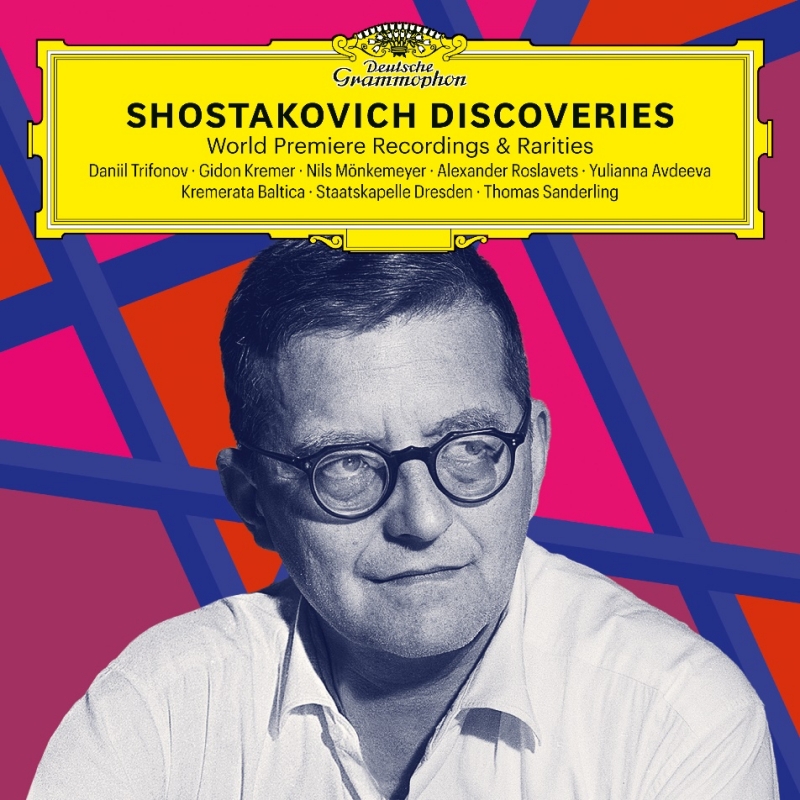
  二○二五年的國際蕭斯塔科維奇音樂節開幕前,DG率先出版一張曲目極具探索價值的《發現蕭斯塔科維奇》(Shostakovich Discoveries)專輯。這張唱片收錄過去在音樂節上的實況錄音,作品創作時間不但涵蓋青少年時期到晚年,更有不少罕見與首次錄音的作品,像是嘲諷蘇聯對藝術壓迫的清唱劇《反對形式主義的西洋鏡》(Anti-Formalist Rayok)、靈感來自詩人茨維塔耶娃(Marina Tsvetaeva)悲劇人生,以葉夫圖申科(Evgeny Yevtushenko)詩作入樂的歌曲《葉拉布加的釘子》(Yelabuga Nail),以及一九三一年創作,但是樂譜直到二○一七年才被發現的中提琴與鋼琴即興曲等等。

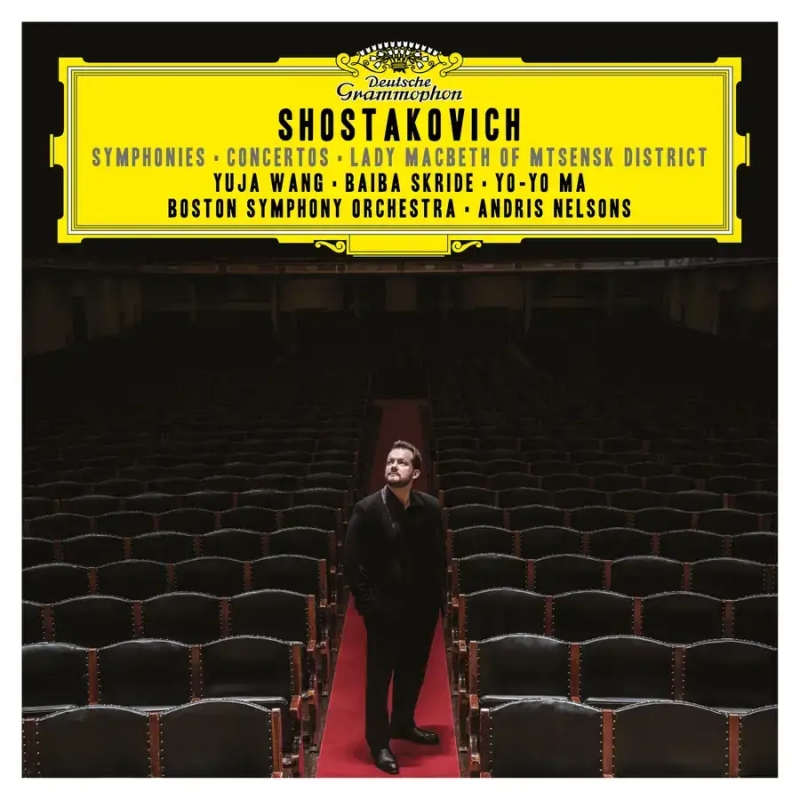
  此外,指揮家尼爾森斯(Andris Nelsons)與波士頓交響樂團合作推出的蕭斯塔科維奇全集錄音,也備受矚目。唱片收錄二○一五年到二三年間錄製的交響曲全集、二○二二年到二三年間與與王羽佳、斯克里妲(Baiba Skride)、馬友友合作的協奏曲,以及二○二四年一月錄製的歌劇《姆欽斯基縣的馬克白夫人》(Lady Macbeth of Mtsensk)。

  尼爾森斯身兼波士頓交響樂團與萊比錫布商大廈管弦樂團音樂總監,他也帶領兩團於二○二五年五月中旬起,在萊比錫舉辦為期半月的「萊比錫蕭斯塔科維奇音樂節」。音樂節完整呈現蕭斯塔科維奇的十五部交響曲,並且涵蓋協奏曲、室內樂、鋼琴曲及歌曲等曲目,由尼爾森斯與曾獲臺北市立國樂團國際指揮比賽第三名的指揮家拉基提娜(Anna Rakitina)領軍節慶樂團演出。壓軸節目為尼爾森斯於萊比錫歌劇院指揮的歌劇《姆欽斯基縣的馬克白夫人》。

  從戈里施山毛櫸樹下的沉思,到萊比錫音樂廳的壯闊回響,蕭斯塔科維奇的音樂貫串了他的個人掙扎與時代記憶。二○二五年的戈里施國際蕭斯塔科維奇音樂節、DG的《發現蕭斯塔科維奇》專輯,以及萊比錫的全面回顧,共同為愛樂者開啟一場探索之旅。無論你是資深樂迷還是初接觸蕭斯塔科維奇的愛樂者,這些活動與錄音提供了豐富而深入的音樂材料,完整而全面的帶你走進蕭斯塔科維奇的內心世界,感受他音符中不朽的情感力量。

Dmitry Shostakovich's music stands as a powerful reflection of 20th-century turmoil and human struggle. In 2025, the 50th anniversary of his death is being marked with special concerts and recordings in Germany—especially in the small spa town of Gohrisch, where the composer had a deep personal connection.

In the summer of 1960, Shostakovich visited East Germany to compose music for the Soviet-East German film "Five Days, Five Nights" (Пять дней, пять ночей). He stayed at the State Guest House in Gohrisch, a quiet town near Dresden, to focus on his work. Locals recall him playing piano each morning in the round dining room and working beneath a beech tree by a small pond.

While there, he also wrote his emotionally charged String Quartet No. 8 in just three days. In a letter to friend Isaak Glikman, he wrote:

 "I wrote a quartet—honestly, a piece that will be branded as 'ideologically flawed' and shouldn't even exist."
"If I die someday, you can place this piece on my gravestone."

(Original in Russian:
«Я написал квартет — честно говоря, такой, за который меня будут ругать за идейную враждебность, да и вообще он не нужен никому… Если когда-нибудь я умру, то, наверное, не грех будет его поставить мне на надгробие.»)

He described the piece as a "pseudo-tragic potpourri" that made him weep while composing.

Twelve years later, Shostakovich returned to Gohrisch for rest after the premiere of his Symphony No. 15, accompanied by his wife Irina. There, he also reunited with conductor Kurt Sanderling. These visits tied him closely to the town.

To honor his first visit, the International Shostakovich Festival Gohrisch was established in 2010—the only annual festival dedicated entirely to his work. It showcases both iconic and rare pieces, drawing music lovers from around the world.

The 2025 edition centers on the String Quartet No. 8. The festival opens with a live performance of the original quartet and closes with the Chamber Symphony version by Rudolf Barshai, performed by the Staatskapelle Dresden under Dmitri Jurowski. The same concert features the opera Rothschild's Violin by Veniamin Fleishman, completed by Shostakovich.

In tribute to Sofia Gubaidulina, a long-time friend of the festival who passed away in 2025, a special concert will include her bayan solo De profundis, her cello-and-bayan duet In croce, and a documentary about her violin concerto In tempus praesens, originally written for Anne-Sophie Mutter.

Ahead of the festival, Deutsche Grammophon released a new album titled "Shostakovich Discoveries". It features rare live recordings from past Gohrisch festivals, including:

- Anti-Formalist Rayok – a satirical cantata mocking Soviet censorship
- Yelabuga Nail – a song cycle based on poems by Yevgeny Yevtushenko, inspired by Marina Tsvetaeva's tragic life
- A 1931 viola-piano improvisation, whose manuscript was only discovered in 2017

Another major tribute comes from Leipzig, where conductor Andris Nelsons—music director of both the Boston Symphony and the Leipzig Gewandhaus Orchestra—will lead a large-scale Shostakovich Festival in May 2025.

The event features all 15 symphonies, concertos, chamber music, piano works, and songs, performed by festival ensembles conducted by Nelsons and Anna Rakitina, winner of the Taipei Chinese Orchestra International Conducting Competition. The finale is a full staging of Lady Macbeth of Mtsensk at the Leipzig Opera.

From quiet reflection under a Gohrisch beech tree to the full orchestral power of Leipzig's concert halls, 2025 marks a sweeping rediscovery of Shostakovich's legacy. Through live festivals and thoughtful recordings, both longtime fans and newcomers are invited to explore the inner world of this complex, emotional, and enduring composer.

*This English version is a concise summary of the original Chinese article.*
Shostakovich Discoveries  - World Premiere Recordings & Rarities (Anti-Formalist Rayok, Three Fugues for Piano , Three Fragments from the Opera "The Nose", Five Pieces for Two Violins and Piano, In the Forest, Prelude & Fugue in C sharp minor, Murzilka, Yelabuga Nail)
Gidon Kremer, Nils Mönkemeyer, Daniil Trifonov, Staatskapelle Dresdenand many more
SHOSTAKOVICH Symphonies; Concertos; Lady Macbeth of Mtsensk District
Yuja Wang (piano), Baiba Skride (violin), Yo-Yo Ma (cello), Boston Symphony Orchestra, Tanglewood Festival Chorus, New England Conservatory Symphonic Choir, Andris Nelsons



發表留言