聽過多部普雷特涅夫的作品,雖然早年的《三折畫》(Triptych for Symphony Orchestra)、為鋼琴、長笛、小提琴、中提琴與大提琴所寫的五重奏(Quintet for Piano, Flute, Violin, Viola and Cello)、為鋼琴與管弦樂團所寫的《隨想曲》(Capriccio for Piano and Orchestra)⋯⋯語言比較前衛,但是也有像《哈薩克主題幻想曲》(Fantasy on Kazakh Themes for Violin and Orchestra)這樣旋律性的作品,甚至是充滿幽默感的《爵士組曲》或童趣的《根據羅曼‧謝弗的詩寫成的十首兒童歌曲》(Children’s song cycle on ten poems of Roman Sef)。
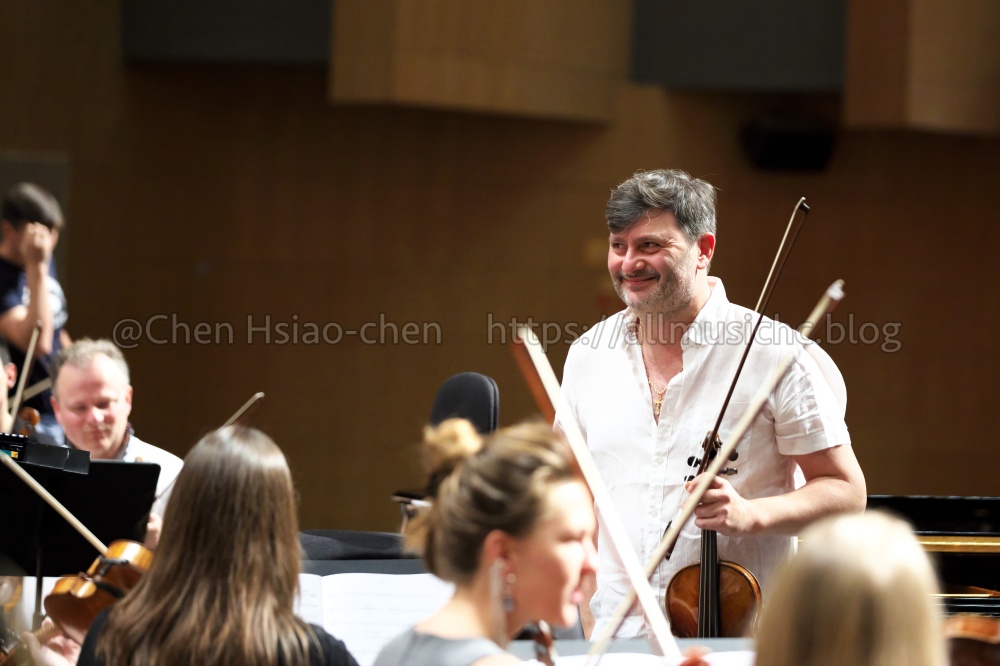
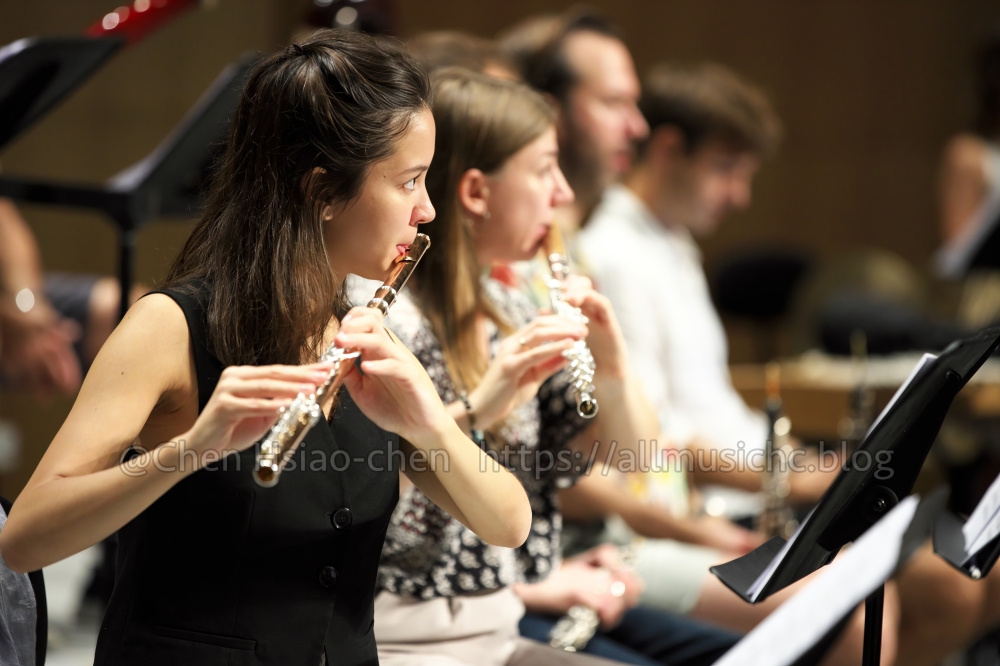
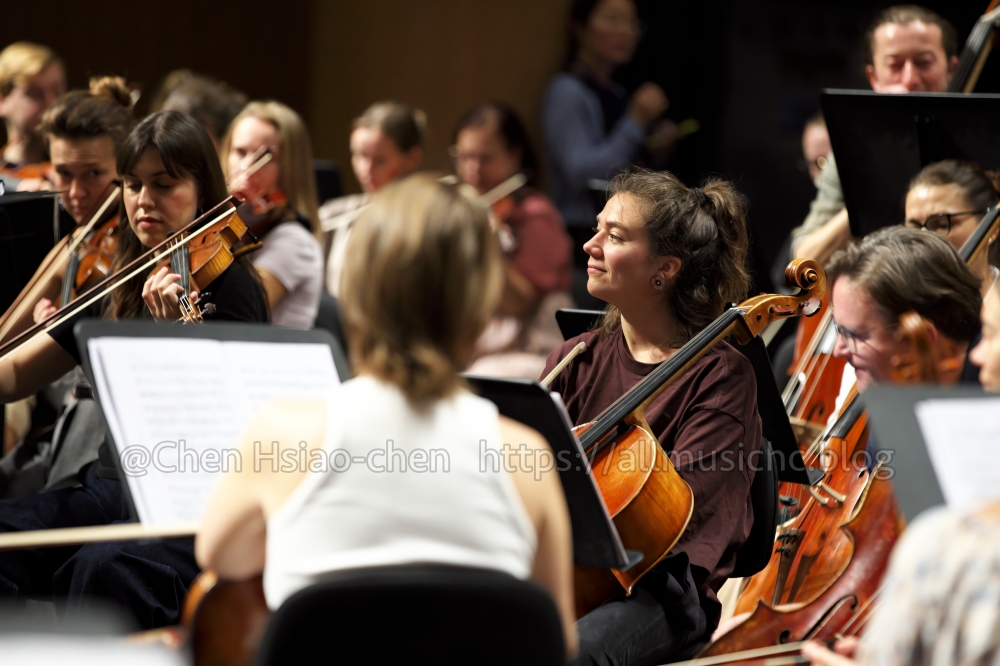
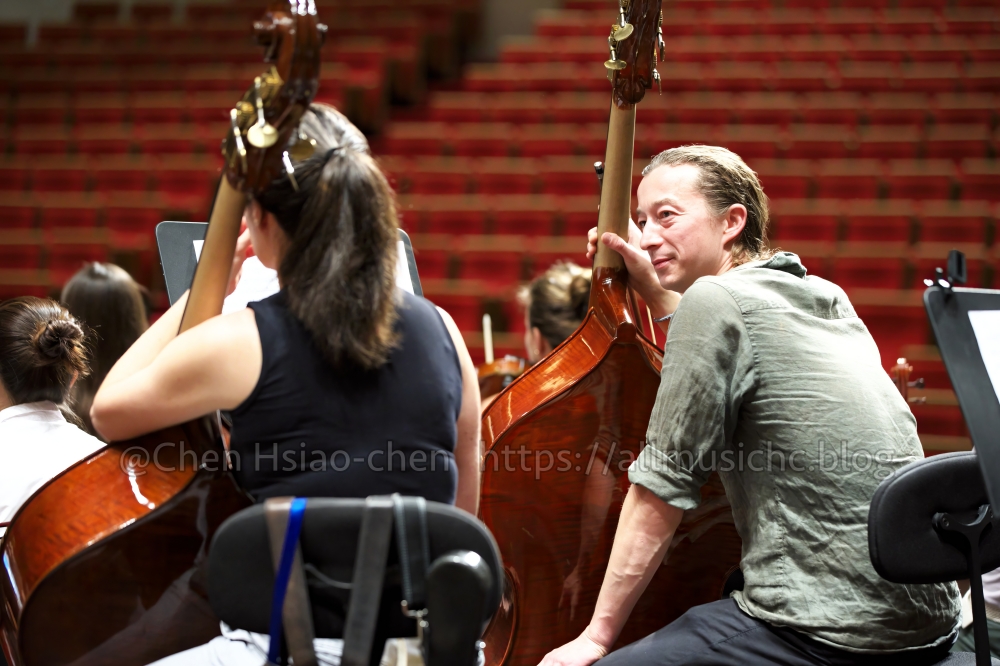
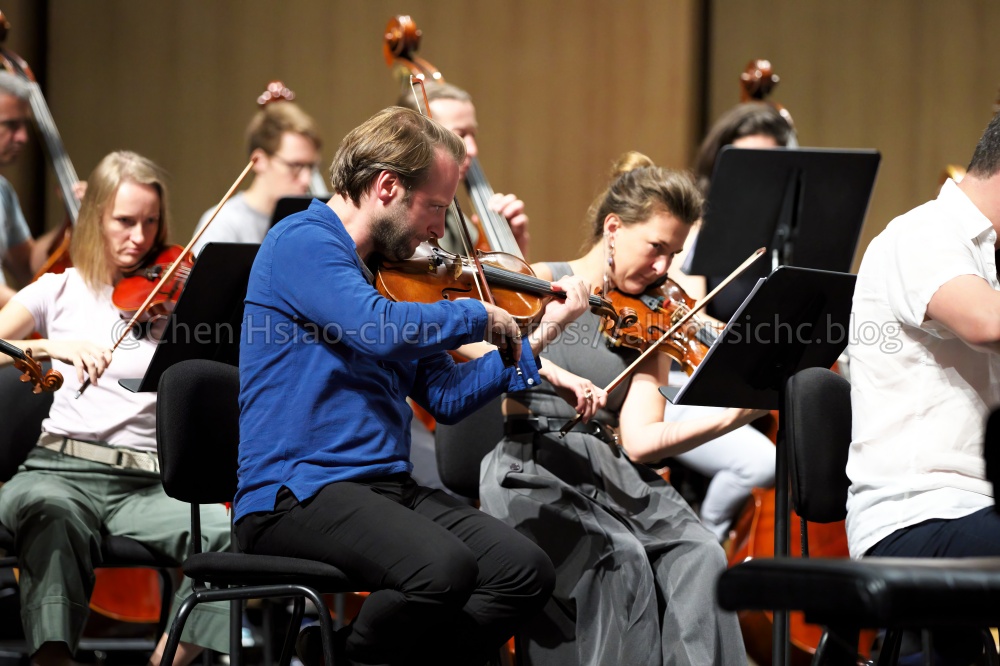
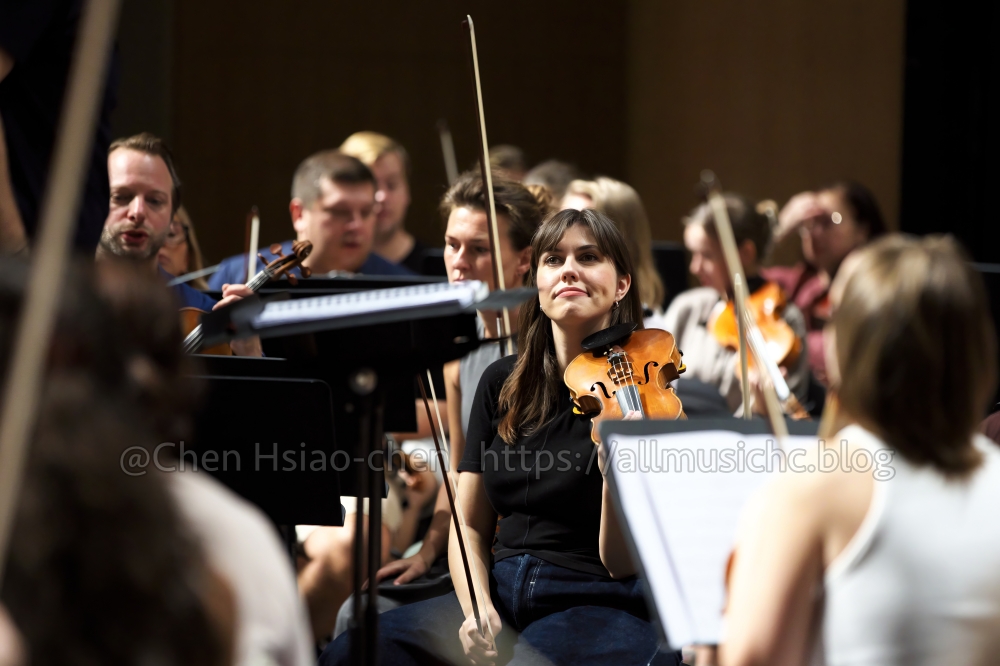
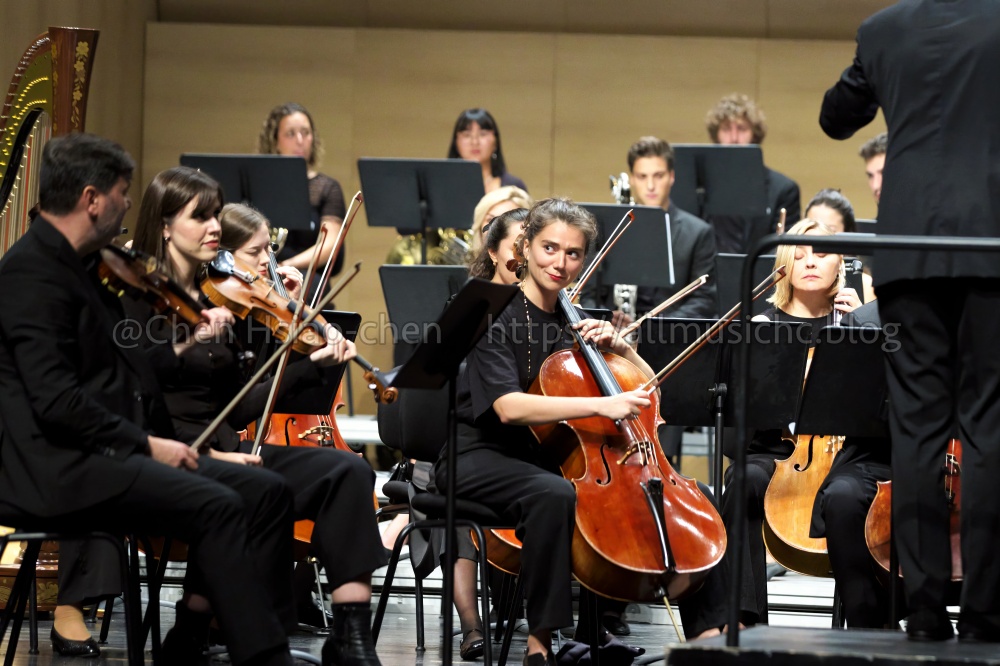
對我而言,這場排練與第二天演出最明顯的印象,是一種久違的感受:音樂家在台上是帶著笑容的。這一幕讓我想到一九九六年第一次聽俄羅斯國家管弦樂團(Russian National Orchestra, RNO)的音樂會時,除了樂團驚人的水準,還有一幕讓我至今無法忘記:音樂家全場帶著笑容,看著指揮普雷特涅夫演出。
For an established symphony orchestra, rehearsal usually means gathering in a familiar hall, sitting in the same assigned seats, and, under the conductor’s direction, fine-tuning a programme already well known to the players. For the Rachmaninoff International Orchestra (RIO), however, things could not be more different.

RIO is still a young ensemble. It has no permanent membership, rehearsal space, administrative system, or even a home city. In fact, its founding was never about where it would be based, but rather who could still come together to play in the same place. This became strikingly clear during the orchestra’s first tour this autumn.

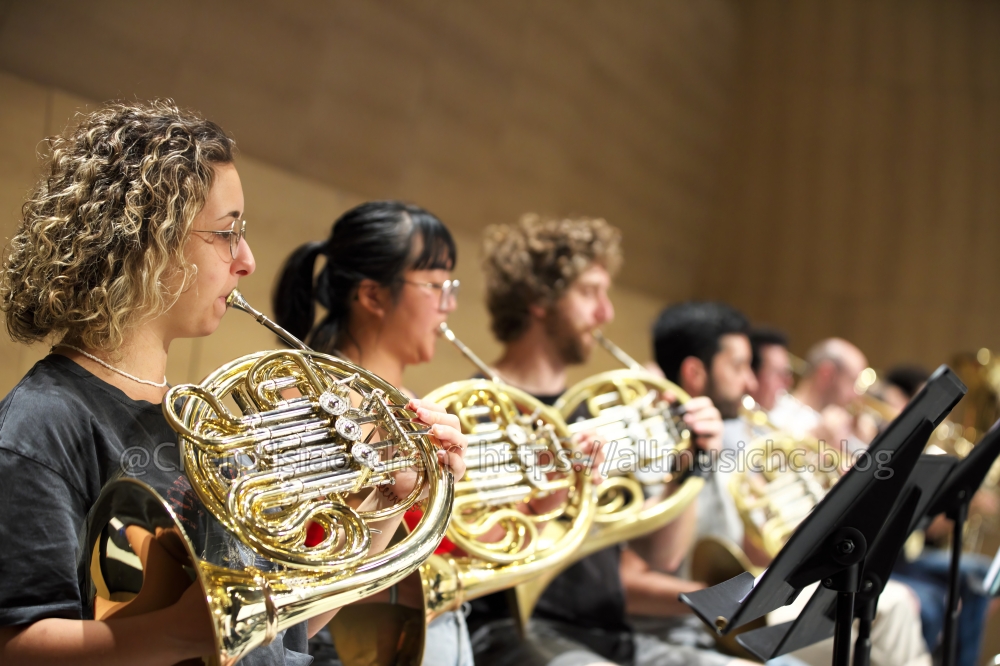
The RIO I encountered in Xiamen was not an orchestra “already well-rehearsed and waiting for the stage,” but rather one “in the process of becoming.” The name and the musical spirit—embodied by Mikhail Pletnev—were long established, but in practical terms the orchestra was still taking shape: who could participate, how rehearsals could be arranged, and how to reach professional performance level within the shortest possible time.

Without a fixed base, RIO cannot rehearse intensively before touring as traditional orchestras do. Its members are scattered across Europe and even the Americas; many have other positions or juggle several freelance posts to make a living. Simply getting everyone to appear in the same place at the same time is already a demanding logistical challenge.

RIO’s general manager Sergey Markov has spoken candidly about this: since the musicians are engaged on a project basis, each recording or concert requires assembling the ensemble anew. “We had just finished recording one album,” Pletnev once complained, “and the next time half of them were new faces—I had to get to know everyone all over again.” For any regular orchestra such instability would be unthinkable; for RIO, it is the norm. And it was under these conditions that the rehearsals in Xiamen began.

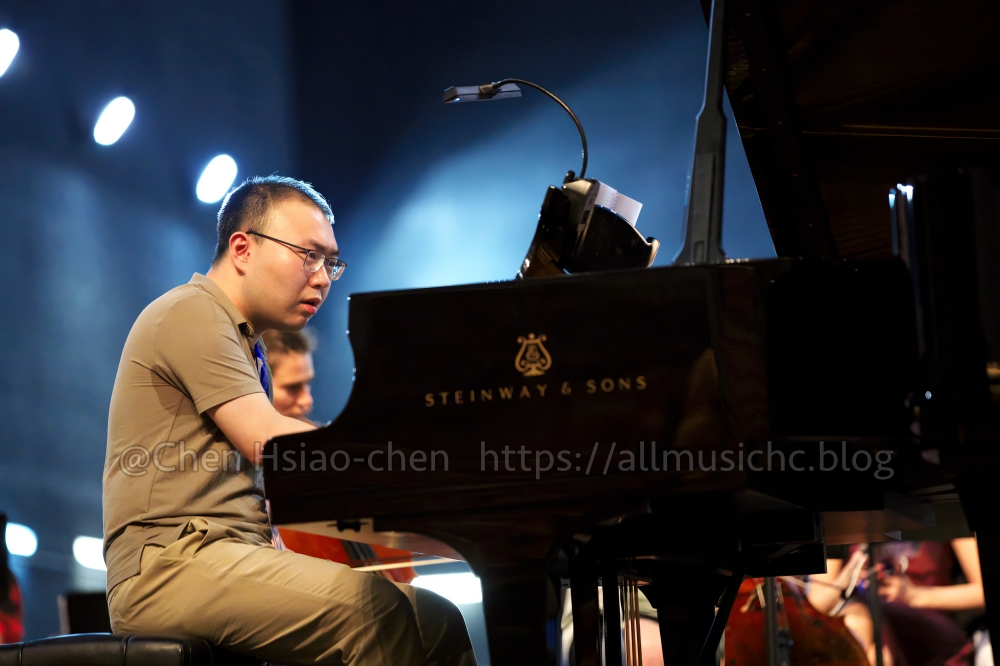
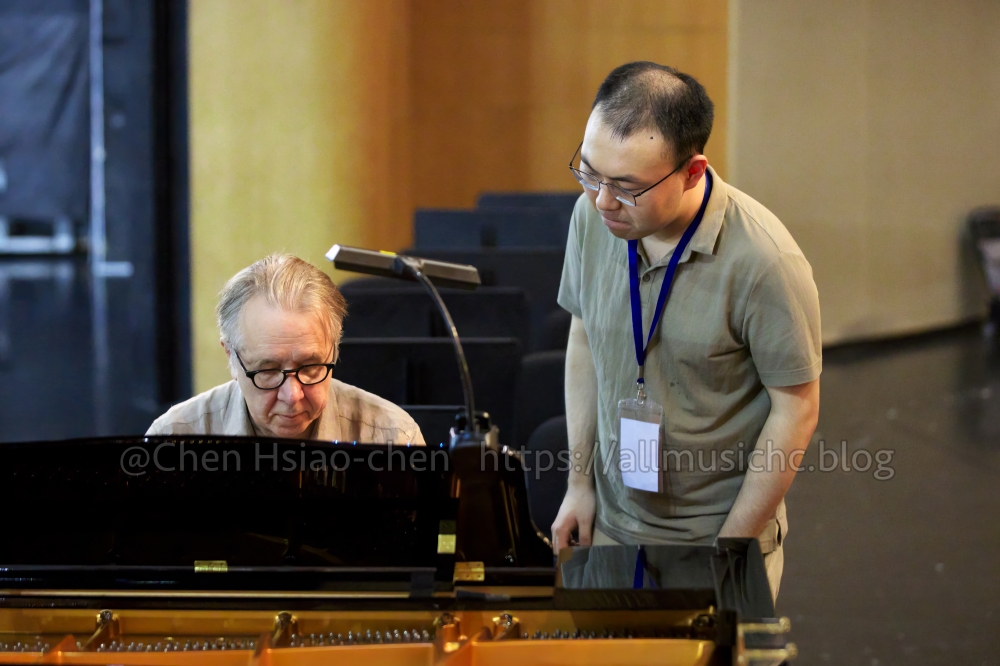
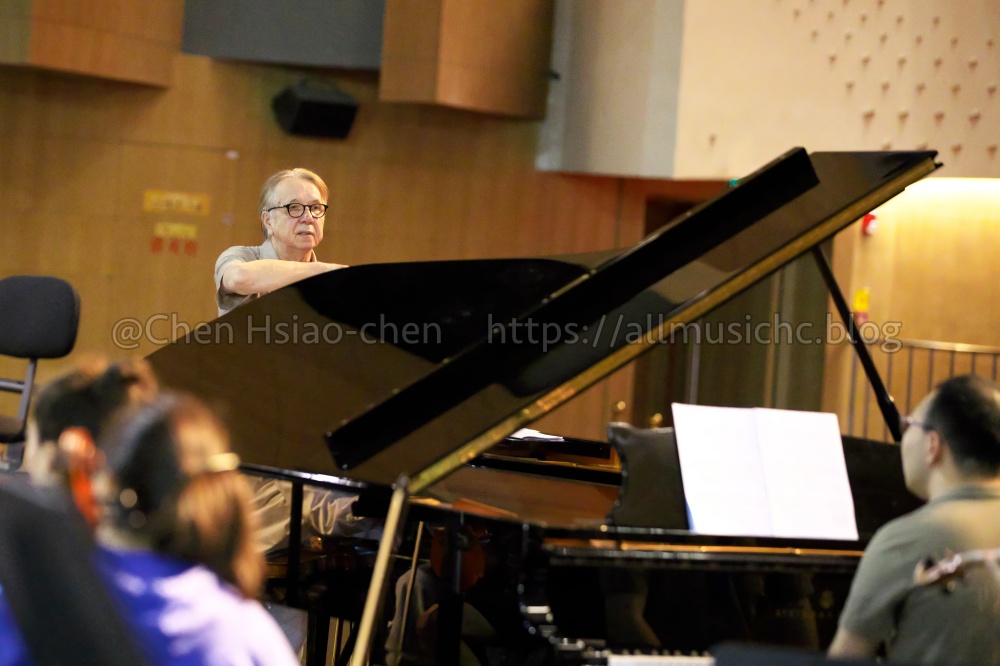
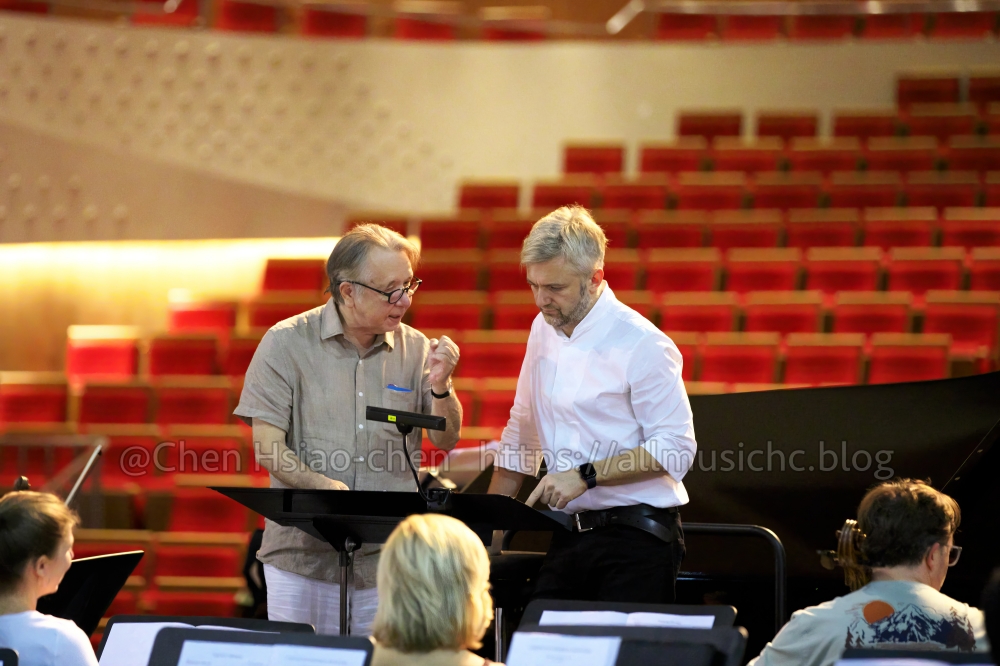
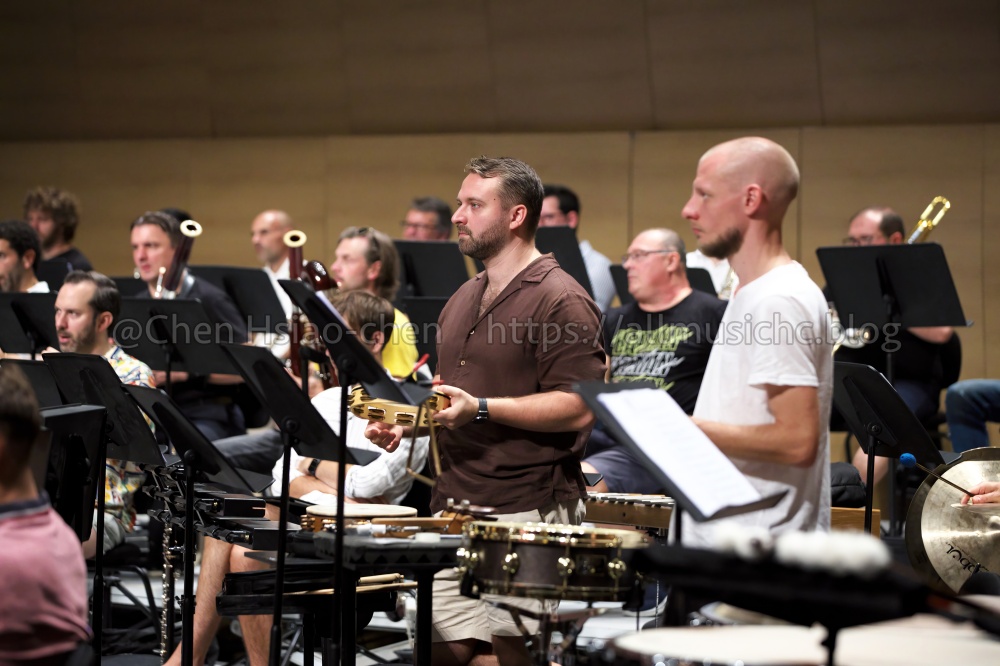
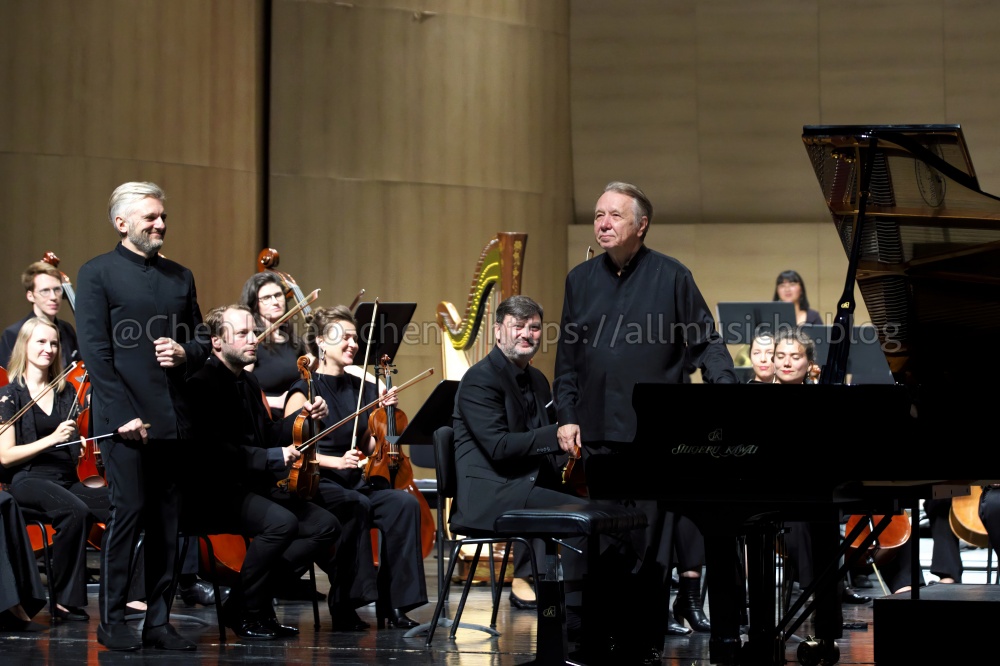
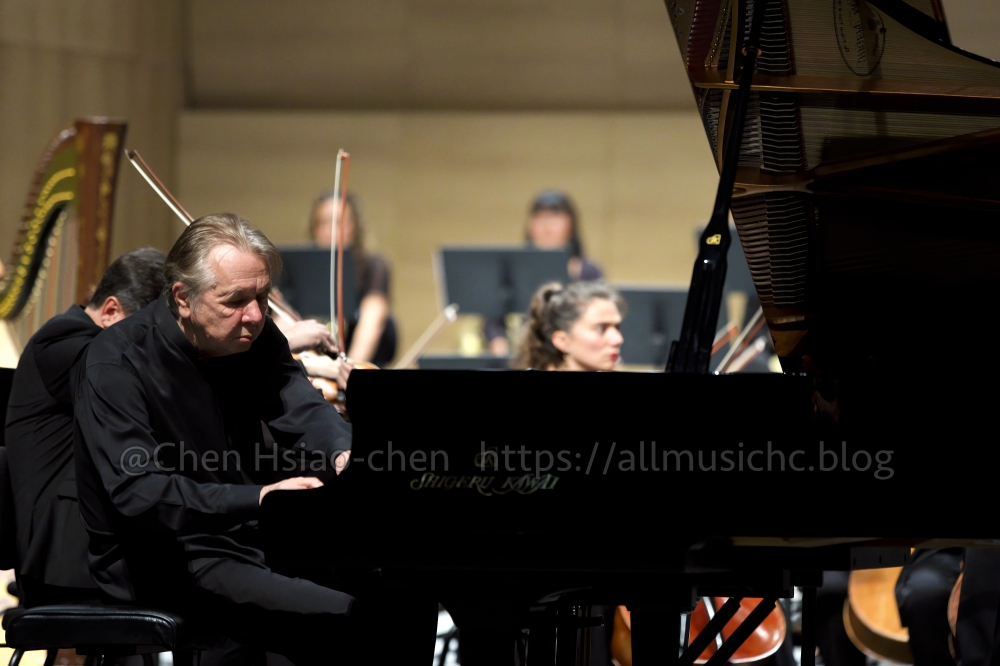
Before the full orchestral rehearsals commenced, there were only three people on stage: conductor Kirill Karabits, pianist-composer Mikhail Pletnev, and the Chinese pianist An Tianxu. They discussed the double-piano solo sections in Pletnev’s Fantasia Helvetica. Interestingly, this piece was not on the Xiamen programme but scheduled for the next concert in Beijing. An had flown down from Beijing that morning solely to rehearse this work and had to rush back to the airport after lunch. That “fly-in, rehearse, fly-out” efficiency perfectly illustrates the orchestra’s current reality—time compressed to the extreme, with no margin for idleness.

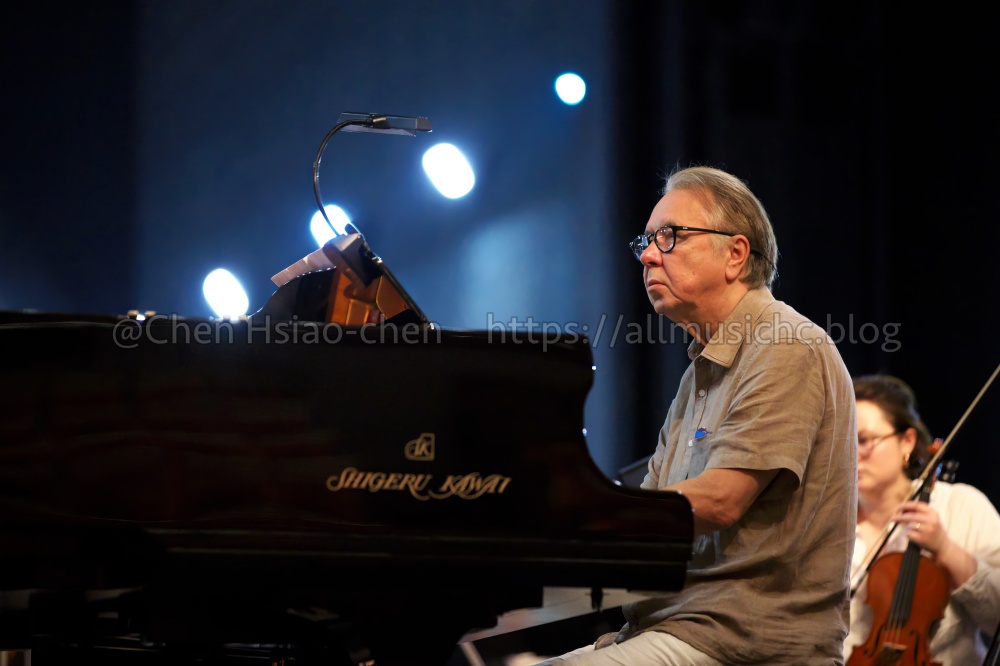
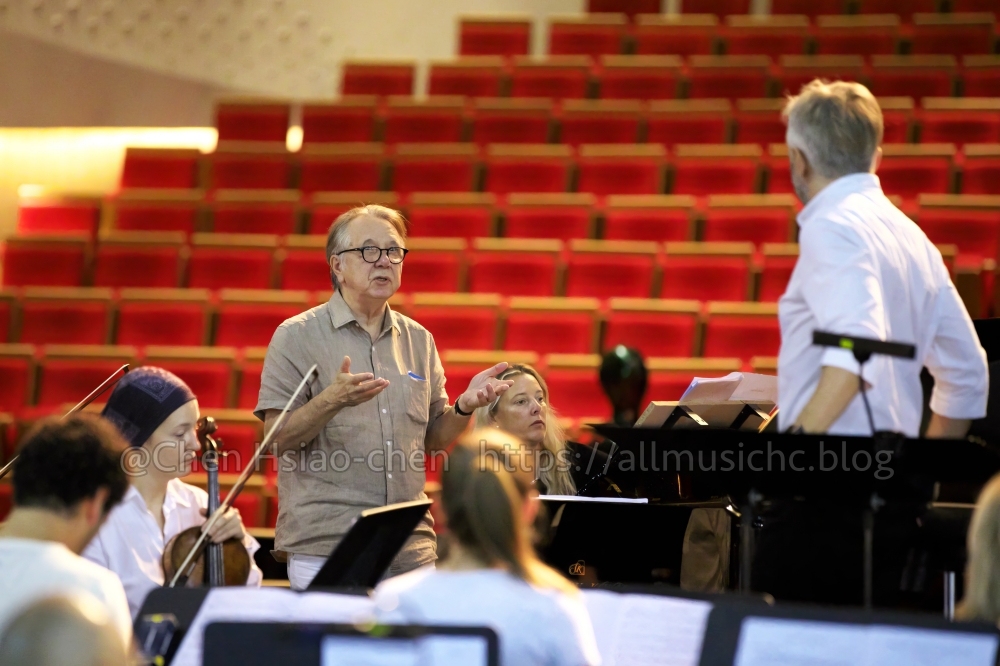
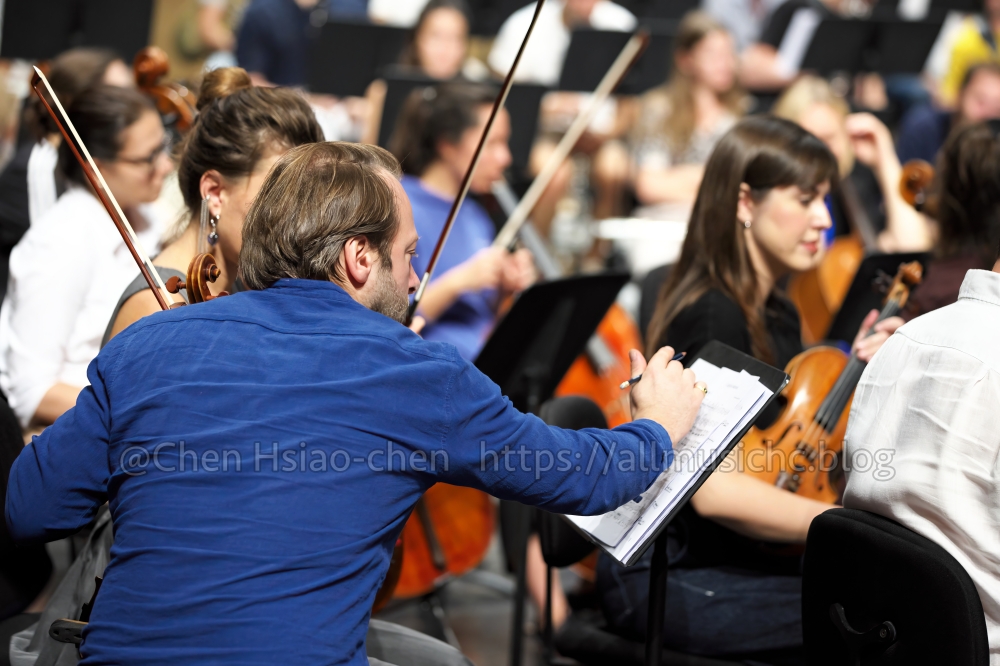
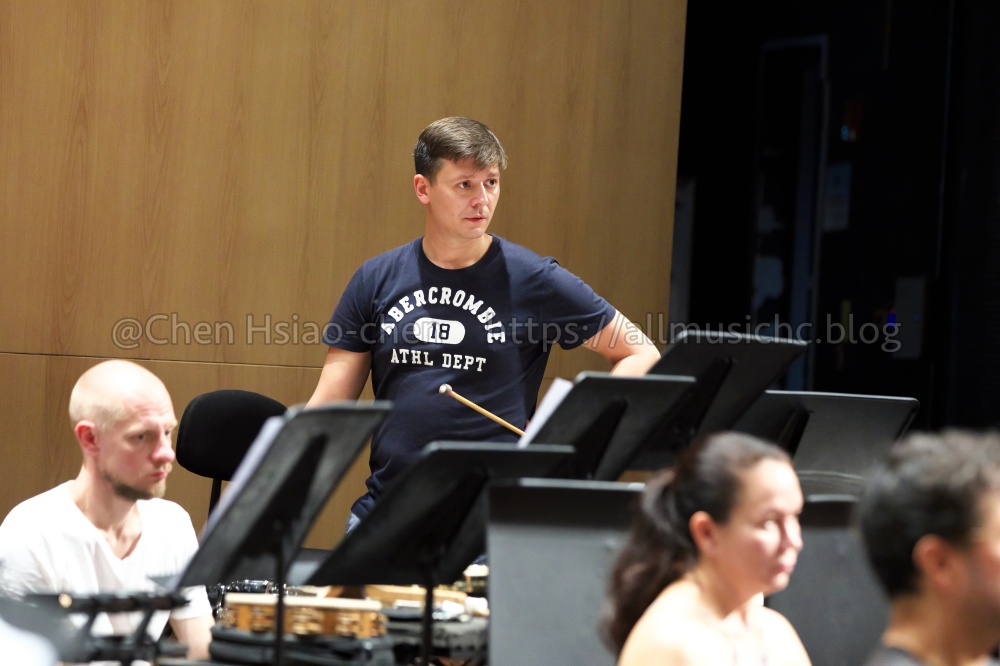
After Fantasia Helvetica was rehearsed and An departed for his flight, the orchestra continued with Pletnev’s other major work, 14 Mémoires musicales, the focus of the tour. Pletnev sat quietly in the auditorium, occasionally standing to offer suggestions to individual sections.

Fantasia Helvetica originated from a commission by a pair of Swiss twin-brother pianists who asked Pletnev to “write a two-piano concerto about Switzerland.” It was premiered on 9 December 2006 in Winterthur. Set against Swiss landscapes—mountains, rain, waterfalls, cowbells, herdsmen, the alphorn, and folk melodies—the piece unfolds like a miniature cinematic panorama of the Swiss countryside, ending with a hymn-like patriotic song.
By contrast, 14 Mémoires musicales, completed only recently, is an orchestral suite made up of fourteen interconnected sections. Although it has been described as “musical memories from childhood and youth,” its fascination lies less in identifying which recollections or allusions Pletnev may have intended—whether to “Wagner” to “farewell” or to “Spain”—than in simply listening to the language of the music itself. It is not a symphonic poem with a clear narrative, nor a traditional programme symphony, but rather a post-modern collage: contrasting idioms, rhythms, and colours set side by side, like pages in a musical photo album turning one by one.

Across Pletnev’s works—from the early Triptych for Symphony Orchestra, the Quintet for Piano, Flute, Violin, Viola and Cello, and the Capriccio for Piano and Orchestra, to the tuneful Fantasy on Kazakh Themes for Violin and Orchestra, the witty Jazz Suite, and the playful Children’s Songs on Ten Poems by Roman Sef—his language ranges from avant-garde to lyrical. Yet certain traits remain constant: sharp contrasts of tone and rhythm, structural precision enlivened by a cool humour and dramatic turns. Pletnev writes with complete honesty; he does not flaunt complexity or allegiance to any school, but lets rhythm and colour speak freely. Whether in the folk motifs of Fantasia Helvetica or the fragmentary architecture of 14 Mémoires musicales, one senses his instinctive command of musical expression and change.

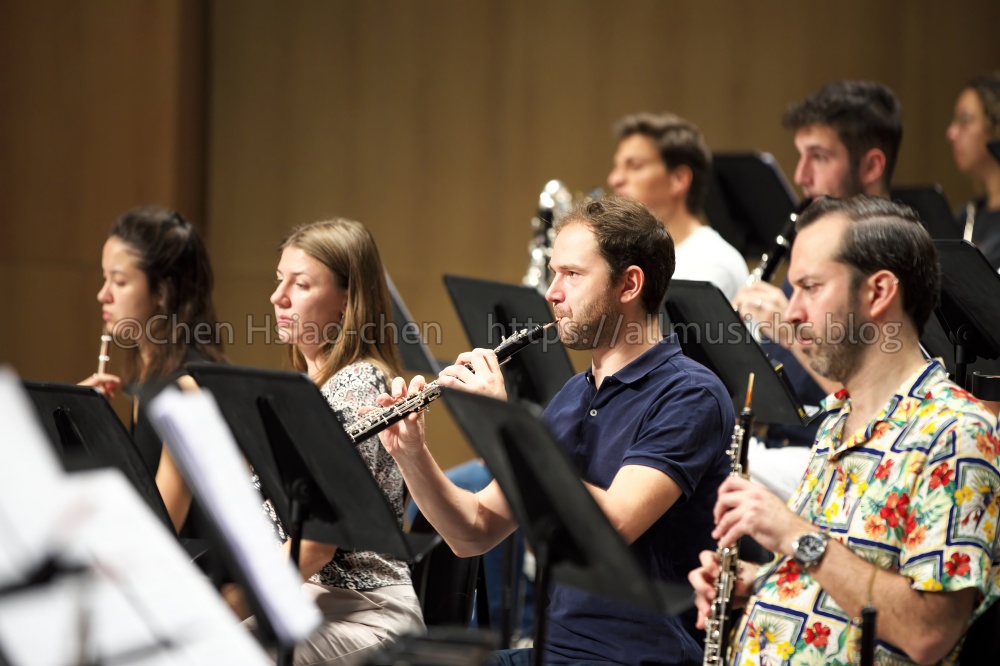
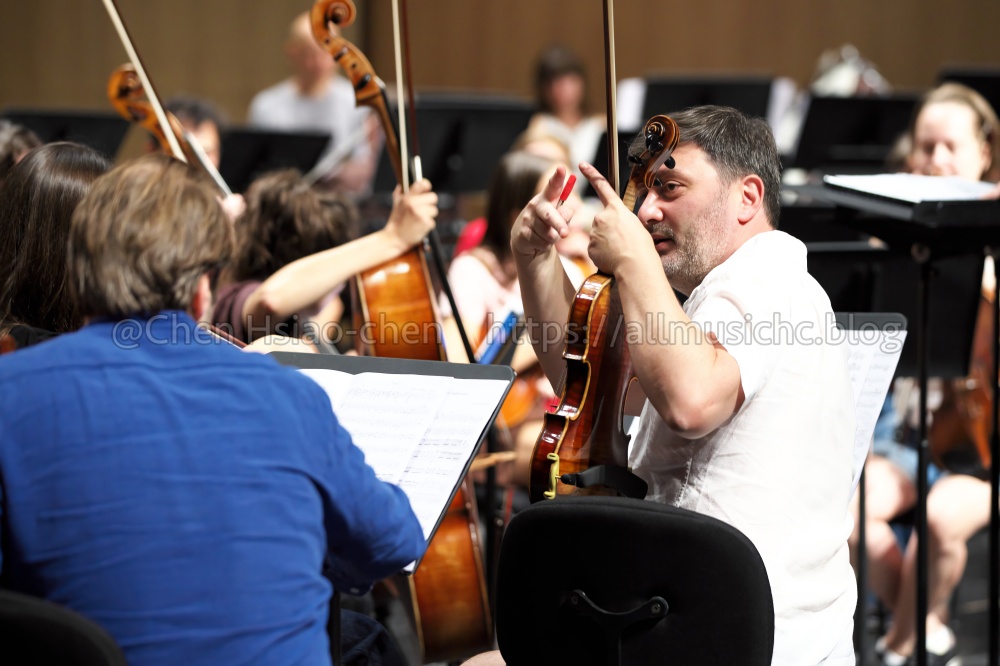
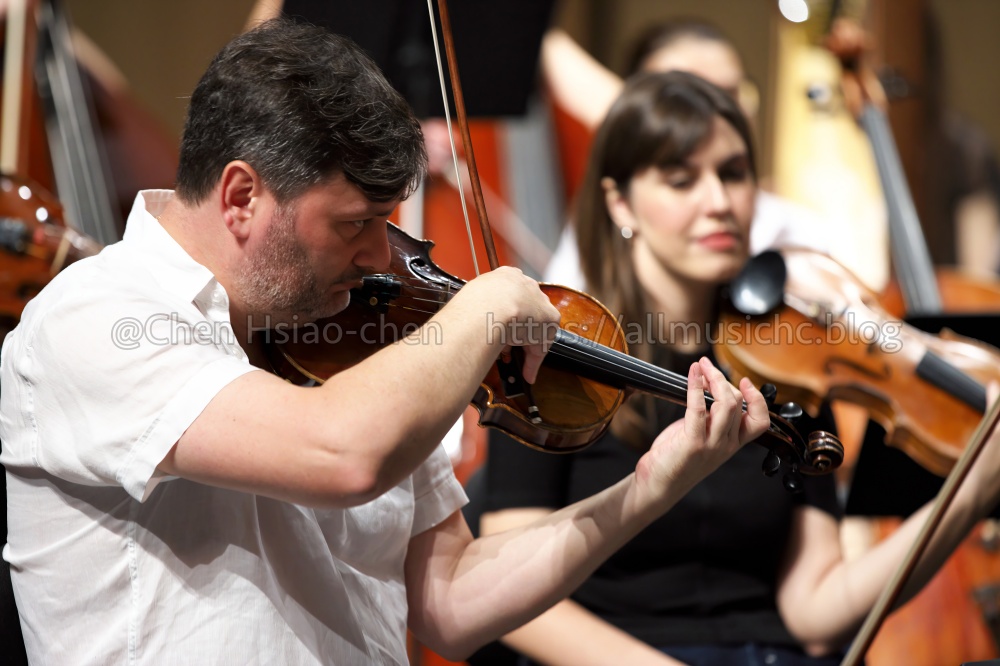
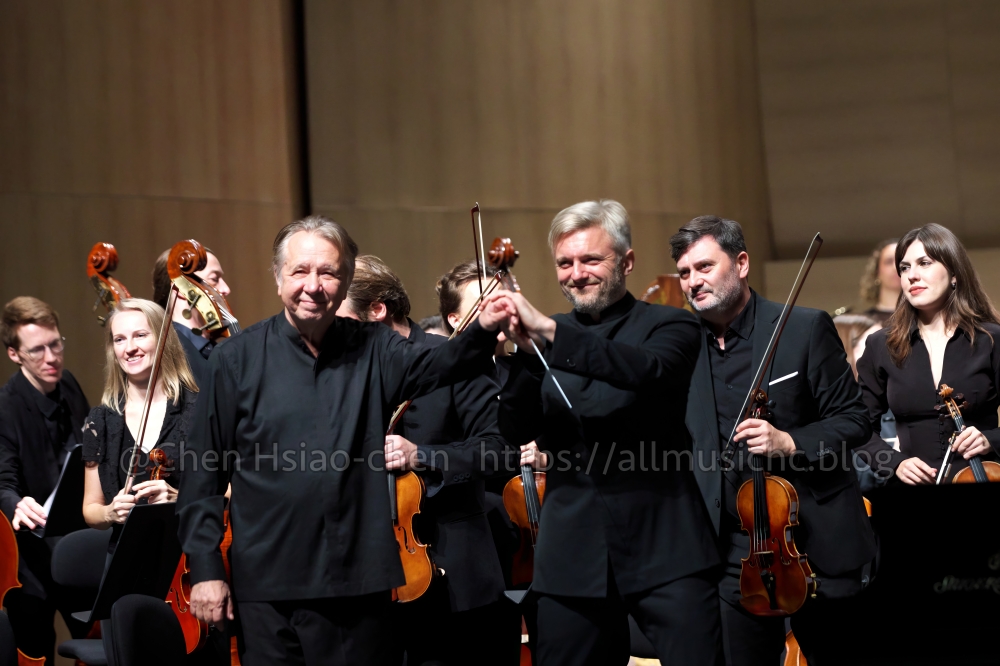
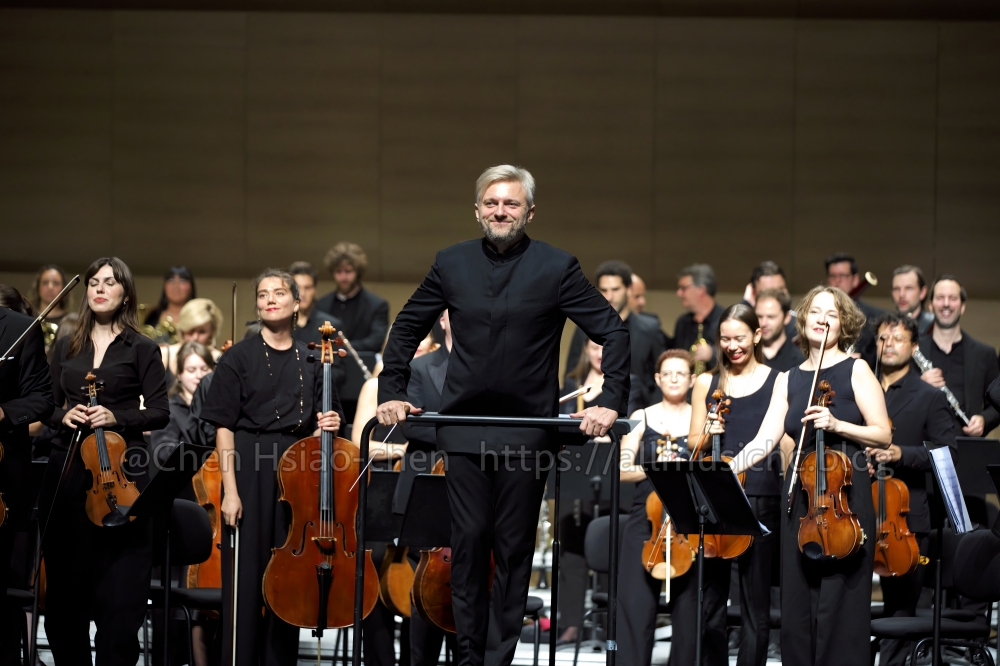
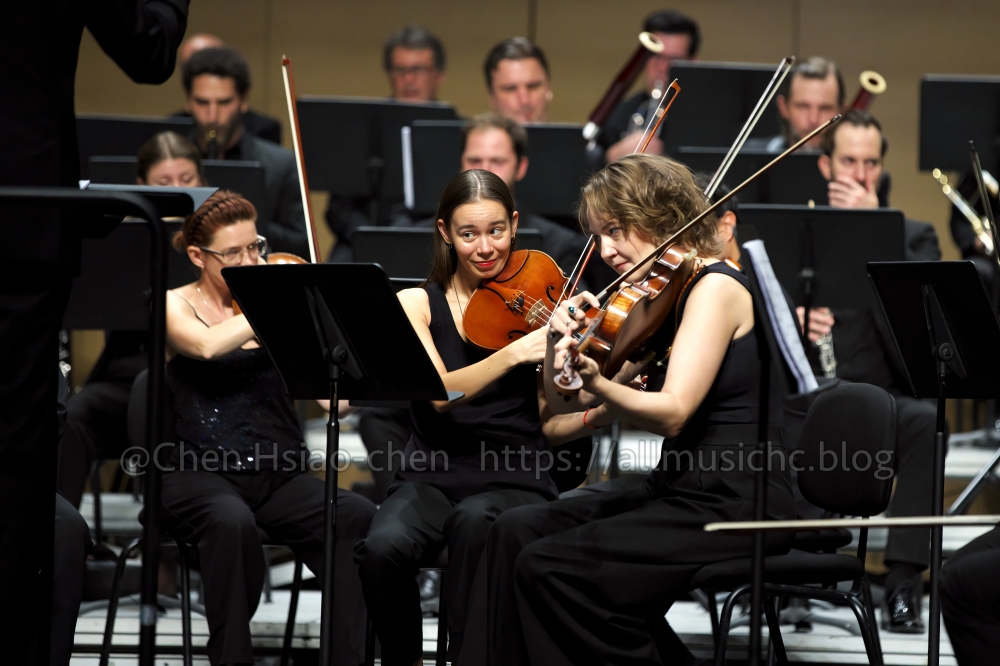
What struck me most during the rehearsals and the subsequent concert in Xiamen was a rare sight: the musicians were smiling on stage. It reminded me of my first encounter with the Russian National Orchestra (RNO) back in 1996—not only their astonishing level, but also that unforgettable image of the players performing with smiles as they watched their conductor, Pletnev.

RIO’s members come from varied backgrounds—Russians, Ukrainians, and musicians working in Germany, Austria, Poland, and elsewhere in Europe—forming a community bound by music. Yet behind this romantic notion of a “community” lies a host of realities: no fixed membership, no permanent home, and, more poignantly, the shadow of war. When those elements are combined, the challenge is no longer just musical.

RIO may lack the legendary “DNA-level” intuition once said to connect Pletnev and the RNO—when he merely raised a hand, they knew his intent—but it possesses something rarer in today’s professional orchestras: a genuine focus and communication. Their interaction is neither the bureaucratic routine of a state institution nor the tense drill of a high-pressure rehearsal, but rather that of close companions striving together to perfect their art—“because this is our mission.”

For RIO, this tour functioned almost as a stress test: could they achieve public-concert standards under such compressed conditions? Could they, within limited rehearsal hours, master both new works—Pletnev’s Fantasia Helvetica and 14 Mémoires musicales—and the standard repertoire of Rachmaninoff? And, amid war and political division, could they still sit side by side on the same stage, united not by slogans but by sound?

In those few days in Xiamen, the answer was yes.

A “homeless orchestra” may sound romantic, but RIO’s core purpose is clear: to make the best possible music. From Karabits’s direct leadership on the podium, to An Tianxu’s one-day flight for a single piece, to Pletnev’s presence supervising every detail—all these point toward one thing: the orchestra is building, through music, a spiritual home.

That is what makes RIO so compelling at this moment. It is still taking shape, yet it is far more than a temporary project. For some musicians, it represents the chance to return to the stage; for others, a way to continue a professional life in music despite war and displacement; and for others still, it is the continuation of a dream born thirty years ago—the belief that, beyond politics, one can still live and work through music, with dignity.







 陳效真作品集
發表留言