
鐘聲、流亡與終生的音樂責任:瓦薩里與匈牙利的世紀迴聲
 匈牙利鋼琴家、指揮家瓦薩里(Tamás Vásáry)於二○二六年二月五日在布達佩斯以九十三歲辭世。提起他,很多樂迷會想到他的李斯特與蕭邦鋼琴作品錄音,或是曾多次以指揮家身分帶領布達佩斯交響樂團(Budapest Symphony Orchestra)到台灣演出的記憶。不過,只用「鋼琴大師」來概括他的一生並不完整,他帶給世人的啟示和貢獻表現在更多面向。

  瓦薩里的音樂人生從匈牙利德布勒森(Debrecen)一個改革宗(Reformed Church)的家庭開始,同時也可說是從「恐懼」開始。他一九三三年出生於德布勒森,六歲以彈奏李斯特《第二號匈牙利狂想曲》,破例考入家鄉的音樂學校。八歲首次登台的曲目是莫札特D大調鋼琴協奏曲(Piano Concerto in D major , K. 107),十歲成為恩斯特‧封‧杜南伊(Ernst von Dohnányi)的學生。這樣的經歷,很容易讓人稱他為「神童」。但是對瓦薩里來說,音樂從來不是這樣理所當然的光環。其實,他從小就恐懼舞台,只要有重要演出就會發高燒並且發抖。這種情況在長大後並沒有自然消失,因為他認為上台表演,意謂擔負著如何完美表現整場音樂會的重大責任。即使兩小時的演出間只有幾秒鐘不理想,就算聽眾沒有察覺,他也會一直放在心上,感到過意不去和自我懷疑。

  這種不安全感來自一段童年的負面記憶。瓦薩里七歲的時候參加過跑步比賽,當時他以為自己得到第一,老師卻當眾說他不是。那種「以為得到,其實沒有」的羞愧感,讓瓦薩里此後對所有掌聲都抱持懷疑。即使已經成為名家,他也會在音樂會後主動否定自己的表現。直到第一任妻子伊爾迪科(Ildikó Kutasi-Kovács)提醒他:「這些人付錢買了門票,專程來聽你的音樂會,今晚也確實從音樂中有所獲得。可是你這樣說,不就等於把他們今晚的感動全都抹掉了嗎?」瓦薩里這才開始調整自我的心態。但是他也坦言,那種來自內心的恐懼不安從來沒有完全離開。

  瓦薩里成長在充滿宗教氣息的環境。祖父是德布勒森改革宗大教堂(Debreceni Református Nagytemplom)的主教,因此他從六歲到十二歲是住在主教府(Püspöki Palota)。在匈牙利歷史中,改革宗教會扮演相當重要的角色,主教不只是宗教領袖,也經常參與公共事務與教育事業,在當時的匈牙利社會具有相當地位。祖父曾與當時的匈牙利攝政霍爾提(Miklós Horthy)往來,甚至在重要歷史時刻提供意見。「主教府」不僅是教會高階神職人員的官邸與辦公場所,也是結合信仰、公共事務與社會影響力的空間。

  不過對年幼的瓦薩里來說,那裡並不是嚴肅森嚴的官邸,而是自由與啟蒙的場所。他感受到的是祖父讓人自然產生敬意的威望,以及明確意識到自己想成為音樂家。主教府空間寬敞,家中有從美國帶回的自動鋼琴,透過紙卷播放歌劇與交響樂改編曲。小瓦薩里和家人一起聽音樂,聽母親講述歌劇故事。聲音、畫面與故事情節交織在一起,讓音樂不是單純的聲響,而是一種充滿想像與情感的世界。瓦薩里曾經表示,這六年是他人生中最幸福的時光,因為他在那裡找到生命的目標。在那之前,他覺得自己「無聊透頂」;在那之後,他知道自己要走向音樂。

  在共產政權高壓統治下的一九五二年,政治清洗波及舊政府官員。曾經在戰後政府擔任高層公職的父親被解除職務,雙親隨後遭到行政流放,被迫遷往農村小鎮雅斯卡拉耶紐(Jászkarajenő)。當時正在布達佩斯李斯特音樂學院就讀的瓦薩里卻獲准留在首都。多年後他才明白,自己之所以未被流放,關鍵在於老師高大宜(Zoltán Kodály)與校長札圖雷茨基(Ede Zathureczky)出面力保。當時高大宜不僅是作曲家與教育家,更是匈牙利音樂界最具象徵性的精神人物,在體制內仍保有一定聲望與影響力。

  父母被流放的那一天,十九歲的瓦薩里到高大宜家中求助,彈了高大宜的《馬羅采克舞曲》(Marosszéki táncok)。高大宜沒有說什麼,但是臨走的時候,他給了瓦薩里大約四百福林(forint),等於工人半個月到接近一個月的薪水,讓十九歲的瓦薩里支付數週生活費。後來高大宜更多次提供他實質幫助,包括生活費、鼓勵他寫日記,甚至在瓦薩里需要好鋼琴準備重要演出時,為他購買一架史坦威。瓦薩里回憶,「最有價值的不是鋼琴本身,而是支票上『高大宜』的簽名」。

  一九五六年要求改革的「十月事件」失敗以後,父親再度遭到監禁。匈牙利局勢急轉直下,報復與清算讓知識分子與藝術家普遍感到不安。當時瓦薩里已在歐洲音樂比賽與演出中嶄露頭角,和西歐音樂界建立聯繫。為了自由,也為了雙親的安全,他決定在短暫的邊境開放期間,帶著父母一起離開匈牙利,最後定居瑞士,並展開國際演出生涯;一九七○年開始嘗試指揮,先後領導過英國北方小交響樂團(Northern Sinfonia)、伯恩茅斯小交響樂團(Bournemouth Sinfonietta)與布達佩斯交響樂團。一九七二年,當時的卡達爾(János Kádár)政權相對寬鬆,在外十六年的瓦薩里以國際音樂家身分回到匈牙利,逐步恢復在匈牙利的演出與教學活動。

  對瓦薩里而言,音樂從來不是一份「工作」,而是一場神聖的精神活動。因此他對過度理性化的演奏保持距離,傾向自然、直覺的感情流動。曲目上立足德奧傳統,同時重視匈牙利文化脈絡。音樂之外,他很重視維持身體與心靈的平衡,時常談到瑜伽與呼吸練習對自己的幫助。對一位長年與舞台焦慮共處的音樂家來說,這不是時髦的選擇,而是一種自我調整的方式。他知道恐懼不會消失,只能學習與它共處。晚年瓦薩里把心力放在教育與公益。二○一三年成立支持年輕音樂家的「瓦薩里獎學金」(Vásáry Tamás-ösztöndíj);二○一七年創辦「孩子之橋基金會」(Gyermekhíd Alapítvány),透過一對一導師制度,幫助育幼院中的孩子融入社會,當成自己人生最後階段最重要的工作。

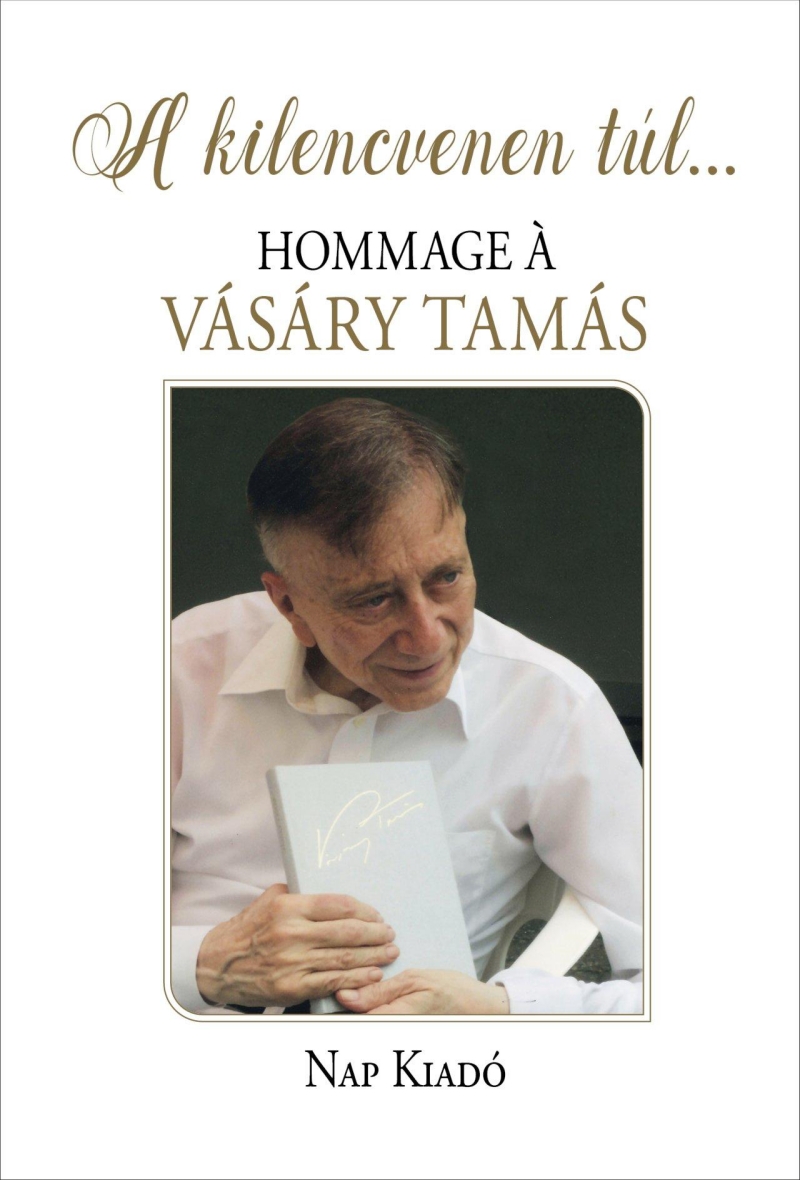
  步入晚年的瓦薩里,生命展現出一種超然的純粹。匈牙利藝術學院(Magyar Művészeti Akadémia)在二○二二年拍攝紀錄片《我的經歷》(Történeteim),由瓦薩里口述回顧他從神童到國際級音樂家的歷程。導演彼得羅維奇(Eszter Petrovics)特別強調當時八十九歲的瓦薩里仍保有某種「孩童般的純淨與天真」(gyermeki tisztaság, ártatlanság),瓦薩里在片中則形容自己是「一個被關在小小身體裡的大人,後來改變的只是衣服而已」(picibe zárt felnőtt voltam, később csak a ruha változott),說明自己的心態始終如一,多年不改。二○二四年,音樂記者尤哈斯(Előd Juhász)策劃與編纂出版《跨越九十歲之後⋯⋯向瓦薩里致敬》(A kilencvenen túl… Hommage a Vásáry Tamás)一書,收錄與瓦薩里的長篇訪談,以及同事、學生、友人⋯⋯撰寫的回憶與論述文字,從不同角度勾勒出得到匈牙利「國家藝術家」(a nemzet művésze)榮譽稱號的瓦薩里,身為鋼琴家、指揮家、教師的各種形象。

  瓦薩里的一生經歷戰後動盪、政治壓力、流亡與回歸。他既是神童,也是一位長年與焦慮共處的藝術家;既站上世界舞台的頂峰,也願意純樸地回到德布勒森,與年輕的樂團排練三週。對他而言,榮耀並非終點,傳承才是意義所在。天賦絕非炫耀優越的工具,而是一份必須謙卑面對的禮物。在如雷的掌聲與內心的不安之間,瓦薩里選擇繼續演奏,將那些物質世界帶不走的精神,透過指尖,永遠留在聽眾的心中。
Hungarian pianist and conductor Tamás Vásáry passed away in Budapest on 5 February at the age of ninety-three. Many music lovers associate his name with his recordings of Liszt and Chopin, or with memories of his visits to Taiwan as a conductor with the Budapest Symphony Orchestra. Yet to describe him merely as a “piano master” does not do justice to the breadth of his life. His legacy and example extend far beyond the concert platform.
Vásáry’s musical life began in Debrecen, Hungary, in a family of the Reformed Church—and, as he himself often admitted, it also began with fear. Born in 1933, he was admitted, at the age of six and below the official age requirement, to the local music school after playing Liszt’s Hungarian Rhapsody No. 2. At eight, he made his first public appearance with Mozart’s Piano Concerto in D major, K. 107; at ten, he became a pupil of Ernst von Dohnányi. Such a trajectory would easily earn him the label of “child prodigy”. For Vásáry, however, music was never a natural crown of glory. From childhood he suffered acute stage fright. Before important performances he would develop a high fever and tremble. This did not disappear with maturity. To him, stepping onto the stage meant bearing responsibility for the integrity of an entire concert. Even if only a few seconds in a two-hour performance fell short of his own standard—imperceptible to the audience—he would brood over it, feeling guilt and self-doubt.
This insecurity stemmed from a childhood memory. At the age of seven he took part in a running race. Believing he had won, he stepped forward, only to be told publicly by his teacher that he had not. The humiliation of “thinking you have received something, when in fact you have not” haunted him thereafter. Even at the height of his career he would instinctively dismiss praise after a concert. It was his first wife, Ildikó Kutasi-Kovács, who challenged this habit. She told him:
“Listen. These people came to this concert, paid for their tickets, and this evening they received something. By speaking like this, you are taking that away from them.” (Idefigyelj, ezek az emberek eljöttek erre koncertre, kifizették a jegyet, és ma este valamit kaptak. Te most ezt elvetted tőlük)
Vásáry later admitted she was right, and he tried to adjust his attitude. Yet he also confessed that the inner anxiety never entirely left him.
He grew up in an environment steeped in religious life. His grandfather was bishop of the Debrecen Reformed Great Church (Debreceni Református Nagytemplom), and from the age of six to twelve he lived in the Bishop’s Palace (Püspöki Palota). In Hungarian history the Reformed Church has held considerable influence; a bishop was not only a spiritual leader but often engaged in public affairs and education. His grandfather maintained contact with Regent Miklós Horthy and was consulted at important historical moments. The Bishop’s Palace was therefore not merely a residence, but a place where faith, civic responsibility and social authority converged.
For the young Vásáry, however, it was not a severe official residence but a space of freedom and awakening. There stood an automatic piano brought back from America, equipped with paper rolls that played transcriptions of operas and symphonies. The family would listen together while his mother narrated the stories. Sound, image and narrative merged into a living imaginative world. He later recalled that those six years were the happiest of his life, for it was there that he discovered his calling. Before that, he felt “deadly bored”; afterwards, he knew he would devote himself to music.
In 1952, under the pressure of the communist regime, political purges affected former government officials. His father, who had held a senior post after the war, was dismissed; his parents were subsequently deported to the rural town of Jászkarajenő. Vásáry, then studying at the Liszt Academy in Budapest, was permitted to remain. Only years later did he learn that Zoltán Kodály and the Academy’s director, Ede Zathureczky, had intervened on his behalf.
On the day his parents were deported, the nineteen-year-old Vásáry went to Kodály’s home and played the Marosszéki táncok. He later described the encounter:
“He stood up, shook my hand, and said: ‘Szervusz.’” (Felállt, kezet nyújtott, és azt mondta: ‘Szervusz.’)
The greeting was simple, yet for Vásáry it signified recognition and solidarity. Kodály then gave him approximately four hundred forints—roughly half to a full month’s wage for a worker at the time—to support him for several weeks. Over the years Kodály continued to assist him financially, encouraged him to keep a diary, and even purchased a Steinway piano for him when he needed a proper instrument to prepare for an important performance. Vásáry later remarked that what mattered most was not the piano itself but the signature on the cheque: “Zoltán Kodály”.
After the failure of the 1956 uprising, his father was imprisoned again. The political climate grew increasingly oppressive. Having already established contacts in Western Europe through competitions and concerts, Vásáry decided to leave Hungary during a brief period when the border opened, taking his parents with him. They settled in Switzerland, and his international career unfolded rapidly. In 1970 he began conducting, leading the Northern Sinfonia, the Bournemouth Sinfonietta, and later the Budapest Symphony Orchestra. In 1972, under the relatively more lenient regime of János Kádár, he returned to Hungary as an internationally recognised musician and gradually resumed performing and teaching there.
For Vásáry, music was never merely a profession but a sacred spiritual activity. He kept a distance from over-intellectualised interpretation, favouring instead a natural, intuitive flow of feeling. Rooted in the Austro-German tradition, he also remained attentive to Hungarian cultural heritage. Beyond music he valued balance of body and mind, often speaking of the help he found in yoga and breathing exercises. For someone who had lived with stage anxiety since childhood, this was not fashion but necessity. Fear, he knew, would not disappear; one must learn to live with it.
In his later years he devoted increasing energy to education and charity. In 2013 he founded the Vásáry Tamás Scholarship (Vásáry Tamás-ösztöndíj) to support young musicians; in 2017 he established the Gyermekhíd Foundation (Gyermekhíd Alapítvány), providing one-to-one mentoring for children in residential care, helping them integrate into society. He regarded this as the most important work of his final chapter.
In 2022 the Hungarian Academy of Arts (Magyar Művészeti Akadémia) released a documentary entitled Történeteim (“My Stories”), in which Vásáry, then eighty-nine, reflected on his life from prodigy to international artist. The director, Eszter Petrovics, remarked upon his “childlike purity and innocence” (gyermeki tisztaság, ártatlanság). In the film he described himself: “I was an adult enclosed in a small body; later only the clothes changed.” (Picibe zárt felnőtt voltam, később csak a ruha változott.)
In 2024 the music journalist Előd Juhász edited A kilencvenen túl… Hommage a Vásáry Tamás, a volume of interviews and recollections portraying him as pianist, conductor and teacher—an artist honoured with the Hungarian title “Artist of the Nation” (a nemzet művésze).
His life traversed war, political repression, exile and return. He was both prodigy and lifelong companion of anxiety; both international star and a man willing to return humbly to Debrecen to rehearse three weeks with a youth orchestra. For him, glory was not the end; transmission was. Talent was not a means of self-display, but a gift to be received with humility. Between thunderous applause and inner uncertainty, he chose to continue playing, leaving behind what the material world cannot take away—the spiritual resonance that endures in the hearts of listeners.

 陳效真作品集
發表留言