南洋鐘聲與曼徹斯特的「復活」:黃佳俊與哈雷管弦樂團的靈魂冒險
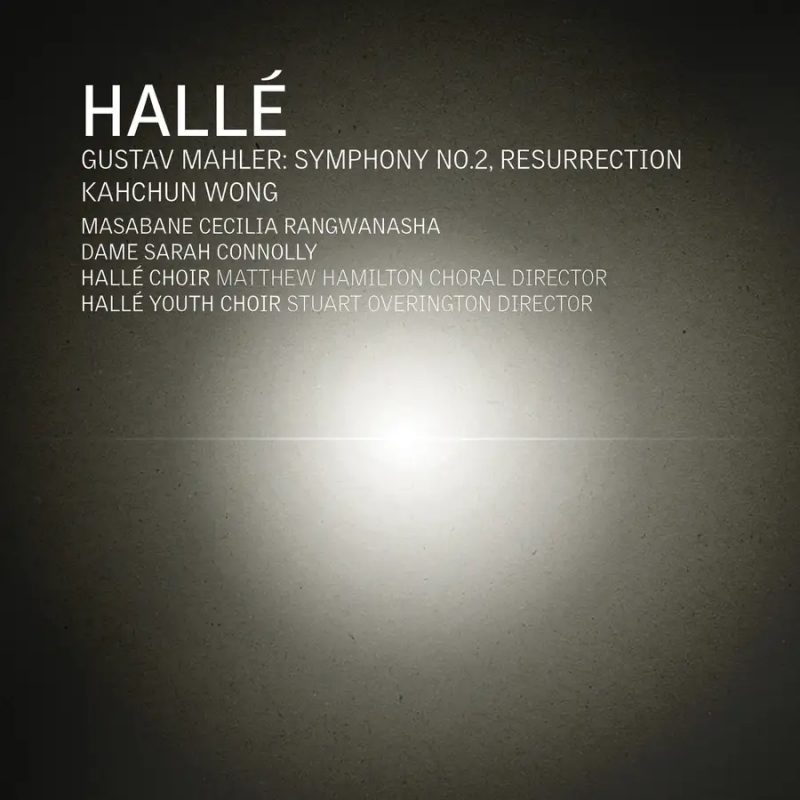
  在馬勒第二號交響曲《復活》的專輯解說冊裡,指揮黃佳俊(Kahchun Wong)分享了一個非常有畫面感的童年記憶。他描述在故鄉新加坡的街頭,聲音總是雜亂的:有佛寺的梵唄、天主教教堂的鐘聲、清真寺的宣禮聲,還有現代都市永無止盡的車流噪音。

  在一般人耳中,這些聲音互不相容,甚至彼此干擾,但是對黃佳俊來說,這些聲響以一種「神祕的美感與連貫性」共存。他帶著這種聽覺的記憶去讀馬勒,發現馬勒音樂裡那些看似不相干的元素,例如:莊嚴的葬禮進行曲、粗獷的軍樂隊、大自然的鳥鳴與神聖的聖詠,其實就是他記憶中的日常。他眼中的馬勒不是博物館裡的精緻古董,而是能容納所有生命雜訊的巨大容器。這種「非歐陸中心」的觀察視角,正是他詮釋馬勒最獨特的起點。

命運轉折:從小號演奏到作曲訓練

  黃佳俊並非典型的「指揮神童」。他早年深耕管樂團,擁有長達十二年的小號演奏經驗。然而,在國防軍軍樂團(SAF Band)服役期間,他因為練習過度導致上唇神經受傷,被迫中止演奏生涯。這場意外卻成為命運的轉折:復健期間,他轉向作曲,開始創作、組建樂團演出自己的作品,並在此時認真考慮走上指揮的路。

  由於當時新加坡國立大學楊秀桃音樂學院尚未設立指揮系,他選擇主修作曲。這段訓練讓他學會從「創作者」的視角去解構總譜,並熟練調度聲部。這也解釋了他日後為何能以極其精準的邏輯,抓出馬勒複雜聲響中的「連貫性」。大學畢業後,黃佳俊前往德國柏林艾斯勒音樂學院(Hochschule für Musik Hanns Eisler Berlin)進修指揮。

入主哈雷:承接百年老牌的重生基業

  黃佳俊職業生涯的轉捩點是在二○一六年。當時二十九歲的他,在競爭極其激烈的馬勒國際指揮大賽中奪冠。這次獲獎讓他一舉躍上國際舞台,陸續擔任過德國紐倫堡交響樂團(Nürnberger Symphoniker)首席指揮與日本愛樂(Japan Philharmonic Orchestra)首席客座指揮。二○二四年,黃佳俊成為擁有一個半世紀歷史的英國哈雷管弦樂團(Hallé Orchestra)首席指揮與藝術顧問(Principal Conductor and Artistic Advisor)。

  哈雷管弦樂團一八五七年成立於英國曼徹斯特(Manchester),是一支底蘊深厚,但是走過劇烈起伏的百年樂團。回顧歷史,樂團在巴比羅里(John Barbirolli)手中邁入黃金時代,卻在一九九○年代末期長野健(Kent Nagano)任內,因過大的藝術野心導致債台高築,一度瀕臨破產。隨後,前任首席指揮艾爾德(Mark Elder)展開長達二十四年(2000–2024)的「大重建」,不僅成功扭轉財務危機,更將哈雷重新打造為結構嚴謹、音色透明且具備強大戲劇張力的英國一流樂團,被樂評譽為「巴比羅里之後的再生」。

  黃佳俊與哈雷樂團的緣分始於二○二三年二月的一場客席演出。當時他指揮蕭斯塔科維奇第五號交響曲,精準的解析力令樂團驚艷;他對樂團的第一印象則是「極高的透明度與彈性」。同年六月,樂團宣布邀請他繼任首席指揮。當黃佳俊於二○二四年正式上任時,他承接的已經不再是曾經陷入低谷的殘局,而是一個士氣高昂、合唱體系精良且運作精密的成熟團隊。這對黃佳俊而言,與其說是「救火」,不如說是在艾爾德建立的穩固地基上,注入他那種結合「南洋聽覺背景」與「德奧理性邏輯」的新一代生命力。

從候任到正式掌舵:三張錄音的演化軌跡

  目前為止,黃佳俊與哈雷管弦樂團出版的三套專輯,記錄了他與樂團磨合、綻放的過程。從候任期間錄製的布瑞頓《寶塔王子》(The Prince of the Pagodas)中展現他對亞洲聲響質地的敏銳捕捉,到布魯克納第九號交響曲挑戰罕見的「四樂章完成版」,再到這套正式上任後的馬勒《復活》,黃佳俊始終展現出一種強大的學術野心與掌控力。

  單純從聽者的角度來說,我很享受這套錄音。它的迷人之處不在於情感的渲染,而是黃佳俊對聲響細節展現出的精確控制力。

精確的辯證:外科手術般的聲響控制

  在第五樂章合唱切入的關鍵時刻,黃佳俊下達了一個極具技術意義的指令:他要求哈雷合唱團全體保持坐姿,且完全背譜演唱。在傳統音樂會中,合唱團集體站立與翻動樂譜的動作,往往會產生細微的物理雜音並切斷音響的連續性;黃佳俊選擇抹除這些視覺與聽覺的干擾。當那聲極弱的「復活」(Aufersteh’n)在寂靜中滲透出來時,聲音不再像是人為的歌唱,而更像是由大地深處蒸騰而上的霧氣。

  這種處理方式,落實了黃佳俊對「聲響共存」的聽覺邏輯:讓神聖的人聲不帶目的地、不著痕跡地浮現於管弦樂的餘韻中。儘管法國《音叉》(Diapason)雜誌認為這種「耐心的拆解」有時會稀釋音樂的衝勁動力,但對於追求結構清晰、層次井然的聽眾而言,黃佳俊這種近乎外科手術般的精確,確實為馬勒的宏大敘事提供了一種具備現代感、堅實無瑕的整體效果。

總結:理出紛亂聲響中的邏輯

  雖然這是一張細節處難免有微小的瑕疵的現場錄音,但是在音樂的終極高峰,黃佳俊以一種寬闊宏大且歌唱性十足的處理,引領哈雷樂團將樂曲的情緒推向高潮,當最後的鐘聲與管風琴齊鳴時,展現出豐沛的音響和震撼人心的極致感染力。

  這套《復活》不僅象徵著黃佳俊成功接下艾爾德執掌二十四年的指揮棒,更是充滿個人色彩的藝術宣言。透過錄音,我們不只聽見哈雷樂團這支百年老牌的新生,也見證一位亞洲指揮家如何用他獨特的成長經驗,重新定義馬勒的經典。他證明指揮家的工作不只是照譜操作,更是要從紛亂的聲音中,梳理出一種能說服聽眾的獨特邏輯。這場結合靈魂與音響的實驗才剛起步,期待黃佳俊接下來能與哈雷管弦樂團一起創造更多美好的驚奇。

In the liner notes for Mahler’s Symphony No. 2, Resurrection, conductor Kahchun Wong shares a vivid childhood memory. He describes the streets of his native Singapore as a place where sounds are always manifold: the chanting of Buddhist temples, the tolling of Catholic church bells, the Islamic call to prayer, and the relentless hum of modern city traffic.

To the average ear, these sounds might seem incompatible or even intrusive. But for Wong, these resonances coexist with a "mysterious beauty and continuity." He brought this auditory memory to his reading of Mahler, discovering that the seemingly disparate elements in Mahler’s music—solemn funeral marches, rugged military bands, nature’s birdsong, and sacred chorales—were simply reflections of his daily life. In his eyes, Mahler is not a delicate antique in a museum, but a vast vessel capable of containing all the "noises" of life. This "non-Eurocentric" perspective serves as the unique starting point for his interpretation of Mahler.

A Turn of Fate: From Trumpet to Composition

Kahchun Wong was not a typical "prodigy conductor." He spent his early years deeply immersed in wind bands, possessing twelve years of experience as a trumpeter. However, while serving in the Singapore Armed Forces Band (SAF Band), he suffered a nerve injury to his upper lip due to over-practising, which forced him to end his career as a performer. This accident became a turning point in his life: during his rehabilitation, he turned to composition, began creating music, and founded an ensemble to perform his own works. It was then that he seriously considered the path of conducting.

As the Yong Siew Toh Conservatory of Music at the National University of Singapore had not yet established a conducting department at the time, he chose to major in composition. This training taught him to deconstruct scores from a "creator’s" perspective and skilfully manage orchestral textures. This explains his ability to use precise logic to identify the "continuity" within Mahler’s complex soundscapes. After graduating, Wong moved to Berlin to study conducting at the Hochschule für Musik Hanns Eisler.

Joining the Hallé: Inheriting a Century of Rebirth

The turning point in Wong’s professional career came in 2016, when at the age of twenty-nine, he won the prestigious Gustav Mahler Conducting Competition. This victory propelled him onto the international stage, leading to positions as Chief Conductor of the Nuremberg Symphony Orchestra (Nürnberger Symphoniker) and Principal Guest Conductor of the Japan Philharmonic Orchestra. In 2024, Wong became the Principal Conductor and Artistic Advisor of the Hallé, an orchestra with over a century and a half of history.

Founded in 1858 in Manchester, the Hallé is a storied ensemble that has weathered significant turbulence. Historically, the orchestra reached a golden age under Sir John Barbirolli, but faced a financial crisis in the late 1990s during Kent Nagano’s tenure, nearly reaching bankruptcy due to over-ambitious artistic projects. Subsequently, Sir Mark Elder began a twenty-four-year "Great Reconstruction" (2000–2024). He not only reversed the financial crisis but also rebuilt the Hallé into a first-rate British orchestra—disciplined, transparent, and dramatically powerful—described by critics as a "rebirth" following the Barbirolli era.

The connection between Wong and the Hallé began with a guest appearance in February 2023. His conducting of Shostakovich’s Fifth Symphony impressed the orchestra with its analytical precision; his first impression of the ensemble was its "high degree of transparency and flexibility." In June of that year, the orchestra announced his appointment as the next Principal Conductor. By the time Wong officially took up the post in 2024, he was no longer inheriting a struggling ensemble, but a high-spirited, mature team with an excellent choral system. For Wong, this was less a "rescue mission" and more an opportunity to inject a new vitality—combining his "Nanyang auditory background" with "Germanic rational logic"—onto the solid foundation built by Elder.

From Designate to the Podium: An Evolutionary Path

To date, the three albums released by Kahchun Wong and the Hallé record the process of their mutual discovery and flourishing. From the designate-period recording of Britten’s The Prince of the Pagodas, which showcased his keen capture of Asian sonic textures, to Bruckner’s Symphony No. 9 featuring the rare four-movement completion, and finally to this Resurrection released after his official inauguration, Wong has consistently demonstrated a formidable scholarly ambition and command.

Speaking purely as a listener, I find this recording immensely enjoyable. Its charm lies not in sentimental indulgence, but in the precise control Wong exerts over every sonic detail.

Precise Dialectics: Surgical Control of Sound

In the crucial moment when the choir enters in the fifth movement, Wong issued a technically significant directive: he required the Hallé Choir to remain entirely seated and to sing completely from memory. In traditional concerts, the collective action of a choir standing up and turning pages often creates subtle physical noise that severs the continuity of the sound. Wong chose to erase these visual and auditory distractions. When the extremely faint "Aufersteh’n" (Resurrection) emerges from the silence, the voices no longer sound like human singing, but rather like a mist rising from the depths of the earth.

This approach realises Wong’s auditory logic of "coexistence of sounds": allowing the sacred human voice to emerge aimlessly and imperceptibly from the lingering resonance of the orchestra. Although the French magazine Diapason argued that this "patient deconstruction" (Son patient décorticage) sometimes "dilutes the musical impetus" (ne dilue pas seulement l’élan musical) and "borders on affectation and pedantry" (il confine à l’affectation et à la pédanterie), for listeners who seek structural clarity and orderly layering, Wong’s surgical precision provides a modern, solid, and flawless overall effect for Mahler’s grand narrative.

Conclusion: Finding Logic in the Multifold

While this is a live recording with inevitable minor imperfections, Wong leads the Hallé to a climax of immense proportions and cantabile lyricism at the music's ultimate peak. As the final bells and organ peal together, they deliver an overwhelming sonority and a profound, heart-shaking impact.

This Resurrection represents more than just Wong taking the baton from Sir Mark Elder after twenty-four years; it is an artistic manifesto filled with personal colour. Through this recording, we hear not only the rebirth of the venerable Hallé but also witness how an Asian conductor redefines a Mahlerian classic through his unique upbringing. He proves that a conductor’s job is not merely to follow a score, but to weave a persuasive logic from a multitude of sounds. This experiment, combining soul and sonics, is only just beginning. We look forward to the many wonderful surprises Kahchun Wong and the Hallé will create together in the years to come.
MAHLER Symphony No. 2, 'Resurrection'
Masabane Cecilia Rangwanasha (soprano), Sarah Connolly (mezzo-soprano), Hallé Orchestra, Hallé Choir, Hallé Youth Choir, Kahchun Wong
January 2025, The Bridgewater Hall, Manchester, UK


 陳效真作品集
發表留言