
大腿、乞丐與性侵受害者:當權力者看不起藝術時,他們在想什麼?
這陣子藝文界很熱鬧,但不是因為什麼大作問世,而是一個「大人物」的毒舌發言。
好萊塢巨星「甜茶」提摩西·夏勒梅(Timothée Chalamet)在二○二六年一場談論電影票房的座談會上,隨口拿歌劇和芭蕾開刀。他說,他不想在那些圈子工作,因為那就像是在求大家:「拜託讓這東西活下去吧,雖然已經沒人關心了。」(“I don’t want to be in the opera or ballet business… where you’re like, ‘Please, let this thing live, even if no one cares anymore.’”)在他眼裡,歌劇和芭蕾就像是在街邊乞討、沒人要看的「乞丐」。
如果你覺得這個算毒舌,那俄羅斯文化部長柳比莫娃(Olga Lyubimova)的話就更狠了。這名掌握文化預算的大官,二○○八年在網誌上寫道,她極度討厭博物館、歌劇和古典音樂。她甚至用了一個令人毛骨悚然的比喻:去看這些藝術,就像遭遇性侵,「我只能躺下來,張開雙腿,深呼吸,甚至還得試著去享受它。」(Согласно совету жертве насильника: я ложусь на спину, раздвигаю ноги, глубоко дышу и даже пытаюсь получить удовольствие.)
一個把藝術當成「乞丐」,一個把藝術當成「強暴」。這些發言背後,其實藏著一種共通的傲慢:「我手上有權力(或流量),我不懂你們在忙什麼,所以你們的東西肯定很過時、很累贅。」為什麼他們要故意擺出一付鄙夷藝術的模樣呢?也許出發點不一樣,但是出言不遜的臉孔卻是相同的。
例如:柳比莫娃出身戲劇世家,父親是著名戲劇學府校長兼戲劇評論家包里斯·柳比莫夫(Boris Lyubimov),本人轉入文化部官僚體系前,長期在俄羅斯公共電視體系擔任記者、文化節目編導與節目企劃。她會不懂藝術嗎?不,她是故意在「演」。在網路時代,宣稱自己「沒文化」、「受不了歌劇」,反而能建立一種「我跟大眾站在一起」的親民形象。她透過羞辱藝術,表明自己不是那種來自被形容為「劇場王朝家族」的家庭,高高在上的菁英。這也許是出自某種個人企圖的算計,但藝術文化就平白遭到了譏諷。
甜茶代表的是另一種邏輯:市場至上。在他眼裡,沒收視率、沒票房、需要政府補助才能活的東西,就是沒用處、沒有尊嚴。他把「點閱率」當成衡量藝術價值的唯一標準,卻忘了有些東西的價值,本來就不是拿來變現,而是有永續存在的深層意義。
歷史現場:那雙讓部長吃鎮靜劑的「大腿」
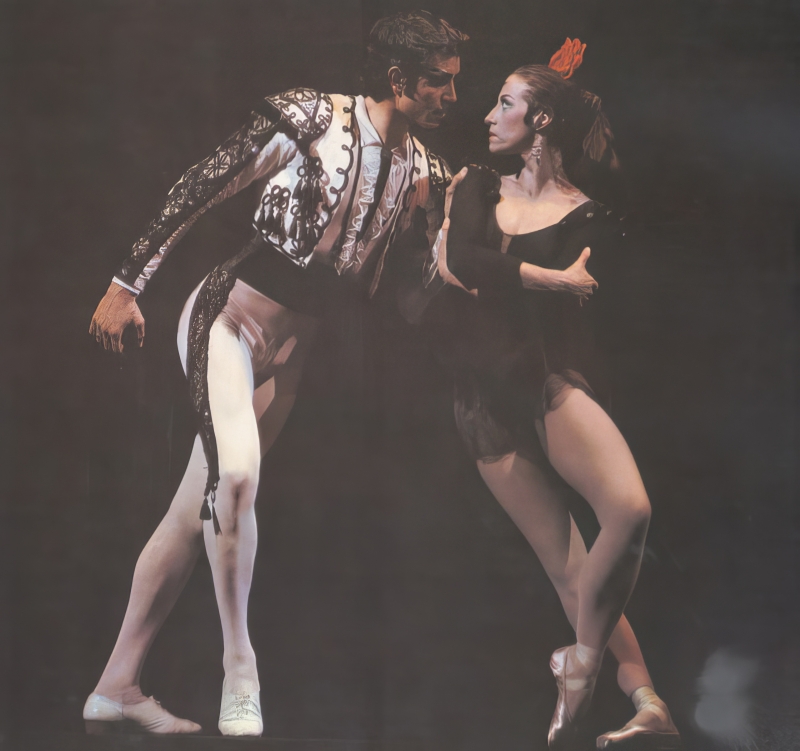
這種權力者對藝術的排擠,其實不是新鮮事。傳奇芭蕾舞星普利謝茨卡雅(Maya Plisetskaya)在自傳中,就記下了這一段讓人啼笑皆非的往事。
一九六七年,她想演《卡門組曲》,把卡門演成一個追求自由、敢愛敢恨的真實女性。但當時的蘇聯文化部長福爾采娃(Ekaterina Furtseva)看排練時,氣到差點心臟病發。部長的理由很瞎,她覺得普利謝茨卡雅動作太挑逗、太低俗,甚至當眾大罵:「妳的大腿在對觀眾說話!」(Ваши ляжки разговаривают со зрителем!)
部長下了一個很荒謬的命令:要求卡門穿上長裙,把大腿遮起來。這跟柳比莫娃把看戲比喻成性侵的邏輯一模一樣:她們都把藝術「色情化」,覺得只要看到肉體、看到熱情,就是不道德、不健康。
首演那天,全場觀眾瘋狂拍手,但是台下的文化部長卻氣到要吃鎮靜劑,當晚就下令禁演。而普利謝茨卡雅曾經直接回嗆文化部長一句名言:「卡門不是蘇聯模範工人,她是自由的女人!」(Кармен — не передовая советская рабочая, она прежде всего женщина свободная.)
誰才是真正的「文化人」?
有趣的是,權力者往往很現實。普利謝茨卡雅在書中冷冷地觀察到:當後來《卡門組曲》在國外大紅大紫、能幫蘇聯賺取外匯時,官方馬上就翻臉跟翻書一樣,不說它低俗了,反而把它當成國家的驕傲。
回到現在發生的事件,西雅圖歌劇院(Seattle Opera)的回擊就很聰明。他們沒跟「甜茶」吵架,而是直接推出「TIMOTHEE」(甜茶的名)折扣碼。意思很清楚:你說我們沒人看?那我們就借你的名號來賣票。這種幽默,是藝術家在權力面前最後的尊嚴。
我們常說一個人有沒有「文化」,其實不在於他聽不聽得懂歌劇,而在於他懂不懂得「尊重」。
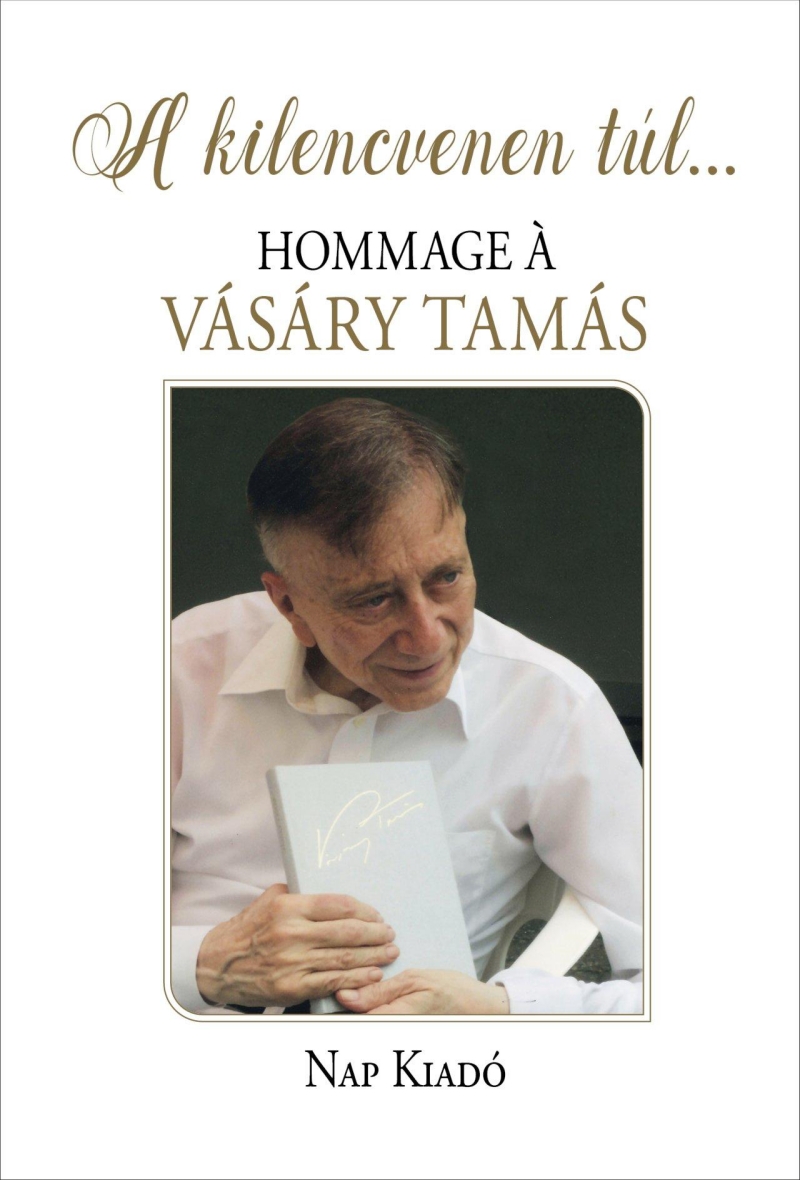
鋼琴大師瓦薩里(Tamás Vásáry)曾經回憶,他年輕時窮到沒飯吃,匈牙利音樂大師高大宜(Zoltán Kodály)二話不說,直接塞錢給他,還買名琴送他,卻從來不要求他去彈什麼有市場的作品。對高大宜來說,音樂是神聖的精神活動,不是拿來算帳的生意。
當一個手握大權的部長、或是擁有千萬粉絲的巨星,隨口把藝術糟蹋成「乞丐」或「枷鎖」時,真正顯得沒品、貧乏的,從來不是舞台上的藝術,而是說話的那個人。普利謝茨卡雅的大腿依然在舞台上跳躍,而那些想遮住她大腿的人,最後都消失在歷史的塵埃裡。同樣的,當「甜茶」成為被遺忘的昨日黃花時,相信那些可憐的歌劇和芭蕾,仍會紅紅火火的繼續上演吧。
The world of the performing arts has been abuzz lately, not because of a new masterpiece, but due to the acerbic remarks of a “big name".
Hollywood superstar Timothée Chalamet, during a 2026 panel discussion on cinema box offices, took a casual swipe at opera and ballet. He remarked that he had no desire to work in those fields because it felt like pleading with the public: “Please, let this thing live, even if no one cares anymore." In his eyes, opera and ballet are like “beggars" on the street, struggling for a survival that no one values.
If you find that acerbic, the words of the Russian Minister of Culture, Olga Lyubimova, are even harsher. In 2008, this high-ranking official in charge of cultural budgets wrote on her blog that she utterly loathed museums, opera, and classical music. She went as far as using a chilling metaphor: visiting these arts was like being a victim of sexual assault. “I lay on my back, spread my legs, breathe deeply and even try to enjoy it." («Согласно совету жертве насильника: я ложусь на спину, раздвигаю ноги, глубоко дышу и даже пытаюсь получить удовольствие.»)
One treats art as a “beggar," the other as “violation." Behind these statements lies a shared arrogance: “I hold the power (or the followers); I do not understand what you are doing, so your work must be obsolete and burdensome." Why do they deliberately adopt such a disdainful posture toward the arts? Their motives may differ, but the face of insolence remains the same.
For instance, Lyubimova comes from a distinguished theatrical dynasty. Her father, Boris Lyubimov, is the head of a renowned drama school and a theatre critic. Before joining the cultural bureaucracy, she spent years as a journalist and producer in Russian public television. Does she truly lack an understanding of art? No, she is “performing." In the internet age, declaring oneself “uncultured" or “unable to stand opera" creates a relatable image of “standing with the masses." By humiliating the arts, she signals that she is not a high-brow elite from a so-called “theatrical royalty." This may be a calculated move for personal ambition, but the arts pay the price in ridicule.
Chalamet represents a different logic: the supremacy of the market. In his view, anything without ratings, box office success, or that requires government subsidies is useless and undignified. He treats “clicks" as the sole measure of artistic value, forgetting that some things possess a value that is not meant for monetization, but for a deeper, enduring significance.
A Scene from History: The Thighs that Forced a Minister to Take Sedatives
This marginalisation of the arts by those in power is nothing new. In her autobiography, the legendary ballerina Maya Plisetskaya recorded a ridiculous episode from the past.
In 1967, she sought to perform Carmen Suite, portraying Carmen as a free, passionate, and authentic woman. However, when the Soviet Minister of Culture, Ekaterina Furtseva, watched the rehearsal, she was nearly driven to a heart attack. The Minister’s reasoning was absurd; she felt Plisetskaya’s movements were too provocative and vulgar, shouting in front of everyone: “Your thighs are talking to the audience!" (Ваши ляжки разговаривают со зрителем!)
The Minister issued a preposterous order: Carmen must wear a long skirt to cover her thighs. This follows the exact same logic as Lyubimova’s metaphor of assault: they both “sexualise" art, believing that the sight of the body or the display of passion is immoral and unhealthy.
On opening night, the audience applauded wildly, but the Minister was so incensed she had to take sedatives and banned the performance that very night. Plisetskaya once retorted to the Minister with a famous remark: “Carmen is not a Soviet model worker, she is a free woman!" («Кармен — не передовая советская рабочая, она прежде всего женщина свободная.»)
Who Is Truly “Cultured"?
Interestingly, those in power are often pragmatic. Plisetskaya observed coldly in her book that once Carmen Suitebecame a global sensation and began earning foreign currency for the Soviet Union, the authorities changed their tune instantly. It was no longer “vulgar," but a point of national pride.
Returning to recent events, the response from the Seattle Opera was brilliant. Instead of arguing with Chalamet, they simply launched a “TIMOTHEE" discount code. The message was clear: You say no one is watching? Then we shall use your name to sell tickets. Such wit is the final dignity of the artist in the face of power.
We often discuss whether a person is “cultured." This does not truly depend on whether one understands opera, but on whether one understands “respect."
The piano maestro Tamás Vásáry once recalled that when he was young and destitute, the Hungarian master Zoltán Kodály gave him money without hesitation and even bought him a prestigious piano. Kodály never demanded that he play something with “market appeal." For Kodály, music was a sacred spiritual activity, not a business transaction.
When a powerful minister or a star with millions of fans casually tramples on art as a “beggar" or a “burden," it is not the art on stage that appears vulgar or impoverished, but the person speaking. Plisetskaya’s thighs continue to leap across the stage, while those who sought to hide them have vanished into the dust of history. Similarly, when Chalamet becomes a forgotten relic of yesterday, those “pitiful" operas and ballets will, I believe, continue to be performed with vibrant success.
 陳效真作品集
發表留言