是「追星文化」還是「藝術鑑賞」?在網紅與藝術家之間取得平衡的潘活活
  除了國際音樂大賽,多數古典音樂家都是透過長年演出累積口碑,或是利用前輩、圈內人際網絡提攜支持,逐步建立起自己的名聲地位。然而隨著時代變化,數位網路逐漸成為另一個讓音樂家展現自我,與聽眾直接建立連結的「自力救濟」新舞台。鋼琴家潘活活(Tiffany Poon)正是這樣的案例之一。

  對於許多聽眾來說,認識「潘活活」這個名字是先透過高曝光率的網路內容開始,接著才回到「該如何嚴肅地聽她的音樂」這個課題。在部分樂迷眼中,她代表著一種親切坦率、打破距離感的音樂家形象;但是在另一個同樣現實的狀況裡,外界也經常把她簡化為「網紅鋼琴家」,好像非得先累積足夠的人氣,她彈的音樂才會被當成「真正的音樂」來欣賞。

  潘活活一九九六年出生於香港,因為一台音域有限的玩具鋼琴,觸動了她對鍵盤樂器的興趣。潘活活九歲前往紐約,進入茱麗亞音樂學院預科就讀,接受專業化的鋼琴教育體系訓練。多年下來,潘活活的技巧養成與曲目訓練,並不亞於任何一位正統音樂學院出身的鋼琴家。

  然而,與多數同儕不同的是,潘活活在大學階段選擇進入哥倫比亞大學主修哲學,而非繼續留在單一音樂學院體系裡。她在多次訪談中提到,哲學訓練迫使她不斷進行觀點辯證、自我質疑,學習從不同角度理解同一個問題。這樣的訓練,讓她在規劃演出與製作專輯時,特別重視作品之間的脈絡關聯與背景。對潘活活在而言,音樂不是一首一首各自獨立的聲音,而是一條需要被深入理解、被相互串連的思考線索。

  二○一七年起,潘活活開始在YouTube與Instagram持續分享她的練琴日常、演出前的準備過程與生活點滴。與多數古典音樂家刻意與聽眾保持距離、製造神秘感的作法不同,她選擇在鏡頭前公開她的失誤、挫折與焦慮,甚至說明自己卡關的原因。這種去神話化的呈現方式,使她迅速累積大量追隨者,也讓她成為古典音樂圈中極具爭議話題的人物。

  她的高知名度,在二○二○年德勒斯登音樂節(Dresden Musikfestspiele)一場二十四小時直播活動中,顯露出它的反作用力。當時粉絲們在聊天室等待潘活活,反覆用大量洗版,點名、刷愛心的方式,呼喚偶像露面。原本想營造開放、多元聆聽氣氛的活動,反而被扭曲為網紅期待偶像現身會面的場合。雖然潘活活事後公開呼籲粉絲克制,但是這樣的事件已經引發德語樂評圈的反彈,甚至出現以〈親愛的潘活活,以及她的質疑者們〉(Dear Tiffany, dear haters)為題的批評文章。這椿事件無疑提醒大家:網路帶來的親近感,並不必然等同於對音樂深層涵義的理解。

  在這樣的背景下,我聆聽了潘活活在二○二四年發行的專輯《日記:舒曼》(Diaries: Schumann)。從製作的層面來看,這是一張結構嚴密、概念清晰的專輯。潘活活以舒曼的鋼琴作品為核心,選擇《大衛同盟》(Davidsbündlertänze)、《兒時情景》(Kinderszenen)、《林地之景》(Waldszenen)等曲目,並以「日記」作為貫穿專輯的隱喻。她用音樂處理作曲家筆下「弗羅列斯坦」(Florestan) 與尤賽比烏斯(Eusebius)這兩個內在角色,並探討記憶、身分與時間等主題。這樣的策畫思維與她的哲學背景呼應,顯示出清楚的思想自覺。

  然而,這也就是問題所在。《日記:舒曼》對聽眾提出相當明確的前提要求:它預設聽者願意進入一套高度私人化的敘事框架,理解她為何選擇這些作品、以及她如何將舒曼的內在世界投射為自身的精神書寫。對於並非長期追蹤她網路內容的聽眾而言,音樂本身並未提供足夠直接的吸引力來支撐這套敘事。策畫思維是成立的,但是單純回到音樂本身來看,潘活活的舒曼並沒有說服我,如果不接受她特別設計的述概念,我不知道為什麼要再聽一張詮釋平凡的舒曼。

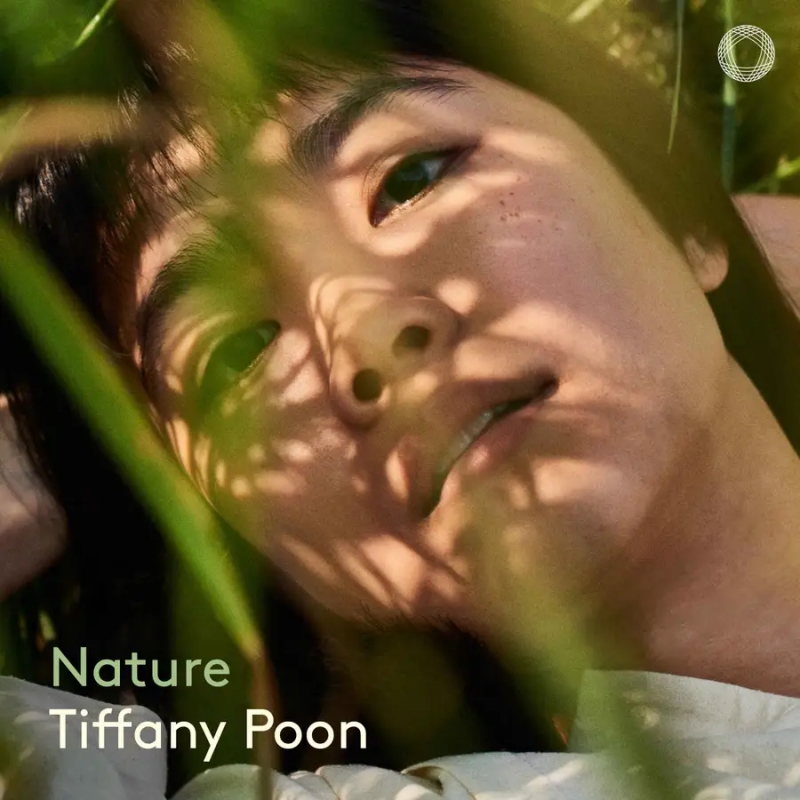
  二○二五年推出的專輯《自然》(Nature)則呈現出截然不同的藝術取向。這張專輯同樣經過精心策畫,但是不再設定以角色、人生階段或個人敘事為核心,而是轉向音樂所要呈現的「狀態」本身:時間的流動、聲音的生成與消散、人與自然之間的關係。曲目橫跨不同時代與風格,卻刻意避免被收束為單一故事線。在這張專輯裡,策畫退居其後,音樂重新站到舞台前。即使聽眾不閱讀解說冊文字,聲音本身具備足夠的內涵和張力,為聽眾提供進入作品的動機。也就是說,概念不再是聆聽的門檻,而是襯托作品的背景。

  若從音樂的角度切入,法國作曲家達坎(Louis-Claude Daquin)、庫普蘭(François Couperin)、拉摩(Jean-Philippe Rameau)再到阿爾康(Charles-Valentin Alkan)、德布西(Claude Debussy)、拉威爾(Maurice Ravel)、莉莉・布朗熱(Lili Boulanger)的作品風格,也比舒曼更適合潘活活謹慎的速度與動態處理。這些法系作品對聲部層次、音色轉換與時間感的細膩要求,並不仰賴劇烈的情緒張力推進,而更重視聲音如何在空間中生成、停留與消散。《自然》中,她刻意控制速度與音量幅度,讓裝飾音、和聲色彩與殘響更清楚,音樂的重心因此不在敘事,而是落在質地與呼吸。相較於《日記:舒曼》中較為內斂而封閉平庸的表述,《自然》所呈現的,是一種更開放、也更貼近她自身演奏氣質的聲音狀態。

  回顧潘活活一路走來的藝術實踐,可以發現她始終致力於拆解古典音樂的距離感,讓音樂回到常人的生活經驗之中。對她來說,也許真正的挑戰,或許從來不是她是否顯得「太網紅」,而是她如何為那些沒有追蹤她日常、不參與她敘事的聽眾,依然清楚地保留適切的聆聽位置,用真正的音樂溝通。《自然》至少對我而言,提供了一個相對可信的答案,也讓我終於願意再次坐下來,單純而真誠地聽她彈琴。(2026年1月27日)

Beyond international music competitions, most classical musicians build their reputations gradually—through years of performance, accumulated trust, and support from senior figures and professional networks. In recent decades, however, digital platforms have emerged as an alternative means by which musicians can present their work and establish direct connections with listeners. The pianist Tiffany Poon offers a clear example of this shift.

For many listeners, encountering the name “Tiffany Poon” begins online, through highly visible digital content, before leading to a more difficult question: how should one listen to her music attentively and seriously? To some, she represents a candid and approachable musician who consciously reduces the distance between performer and audience. At the same time, she is often framed, somewhat reductively, as a “pianist-influencer”—a label that suggests her musical work is taken seriously only after her popularity has first been acknowledged.

Born in Hong Kong in 1996, Poon’s interest in keyboard instruments began with a toy piano of limited range. At the age of nine, she moved to New York and entered the Pre-College division of the Juilliard School, where she underwent systematic professional training in piano performance. Over time, her technical development and repertoire preparation have been comparable to those of pianists formed entirely within conservatory systems.

What distinguishes Poon from many of her peers is her decision, at university level, to study philosophy at Columbia University rather than continue exclusively within a music-academy framework. In interviews, she has described how philosophical training required her to engage in constant questioning, self-examination and the consideration of multiple perspectives. This way of thinking has informed her approach to programming concerts and producing recordings, where she places particular emphasis on relationships between works and their wider contexts. For Poon, music is not a sequence of isolated pieces, but a continuous line of thought that invites sustained reflection.

Since 2017, she has regularly shared aspects of her practice routine, concert preparation and daily life on YouTube and Instagram. Unlike many classical musicians who maintain a deliberate distance from their audience, Poon has chosen to show mistakes, frustration and uncertainty openly, often explaining the reasons behind technical or musical difficulties. This approach has attracted a substantial following, while also making her a figure of debate within classical-music circles.

The complexity of such visibility became evident during a 24-hour livestream organised by the Dresden Music Festival in 2020. As viewers awaited Poon’s appearance, the live chat became dominated by repeated messages and expressions of enthusiasm from her followers. An event intended to encourage open and diverse listening was, in practice, experienced by some observers as a disruption of the festival’s customary listening culture. Although Poon later publicly urged her followers to show restraint, the episode prompted critical responses within German-language music commentary, including an article titled "Dear Tiffany, dear haters". The incident highlighted a broader tension: online immediacy and familiarity do not necessarily translate into shared expectations about how music is received or discussed.

It was within this context that I listened to Poon’s 2024 album "Diaries: Schumann". From a production perspective, the recording is carefully structured and conceptually coherent. Centred on Schumann’s piano works—including "Davidsbündlertänze", "Kinderszenen" and "Waldszenen"—the album adopts the metaphor of a diary as its organising principle. Poon engages with Schumann’s inner figures of Florestan and Eusebius, and with themes of memory, identity and time. This conceptual approach reflects her philosophical background and demonstrates a clearly articulated artistic framework.

At the same time, "Diaries: Schumann" places specific demands on the listener. It presupposes a willingness to enter a highly personal narrative structure and to understand why these particular works were chosen and how Schumann’s inner world is refracted through Poon’s own perspective. For listeners who have not closely followed her online work, the musical surface alone may offer limited points of entry. While the concept itself is well defined, the performances, considered independently of that framework, do not always sustain the weight placed upon them. Without accepting the narrative premise, it becomes difficult to understand why this Schumann should command repeated attention.

Her 2025 album "Nature" presents a markedly different artistic orientation. Although equally carefully curated, it no longer centres on personal narrative, psychological characters or life stages. Instead, it turns towards musical states: the passage of time, the emergence and dissolution of sound, and the relationship between human perception and the natural world. The programme spans multiple periods and styles, while deliberately avoiding a single overarching storyline. Here, conceptual planning recedes, allowing the sound itself to take priority. Even without consulting the accompanying texts, the music offers sufficient substance and tension to engage the listener. Concept functions not as a prerequisite for listening, but as a quiet frame surrounding the repertoire.

From a musical standpoint, the works chosen for "Nature"—ranging from Louis-Claude Daquin, François Couperin and Jean-Philippe Rameau to Charles-Valentin Alkan, Claude Debussy, Maurice Ravel and Lili Boulanger—also align more closely with Poon’s restrained tempos and controlled dynamic range than Schumann’s music does. These works depend less on dramatic emotional propulsion than on fine gradations of texture, colour and temporal flow. Throughout the album, Poon limits speed and dynamic contrast, allowing ornamentation, harmonic colour and resonance to emerge with clarity. The focus shifts away from narrative towards sonic texture and breathing. Compared with the inward and ultimately constrained expression of "Diaries: Schumann", "Nature" presents a more open sound world—one that corresponds more closely to Poon’s natural pianistic temperament.

Looking back on Poon’s artistic trajectory, one can observe a consistent effort to reduce the sense of distance traditionally associated with classical music and to reconnect it with everyday human experience. Her central challenge has perhaps never been whether she appears “too visible” online, but whether she can still offer a clear and meaningful listening position for audiences who do not follow her daily life or engage with her personal narratives. "Nature", at least for me, provides a convincing response. It allows the listener to set aside surrounding discourse and to listen to her playing with simple, attentive focus.  (27 January, 2026)
Nature - Works by Daquin, Couperin, Rameau, Alkan, Debussy, Ravel & Lili Boulanger
Tiffany Poon (piano)
March 2025, Miraval Studios

 陳效真作品集
發表留言