
熔岩、鎧甲與自然的不規則線條:鋼琴哲人任奫燦的藝術剖析
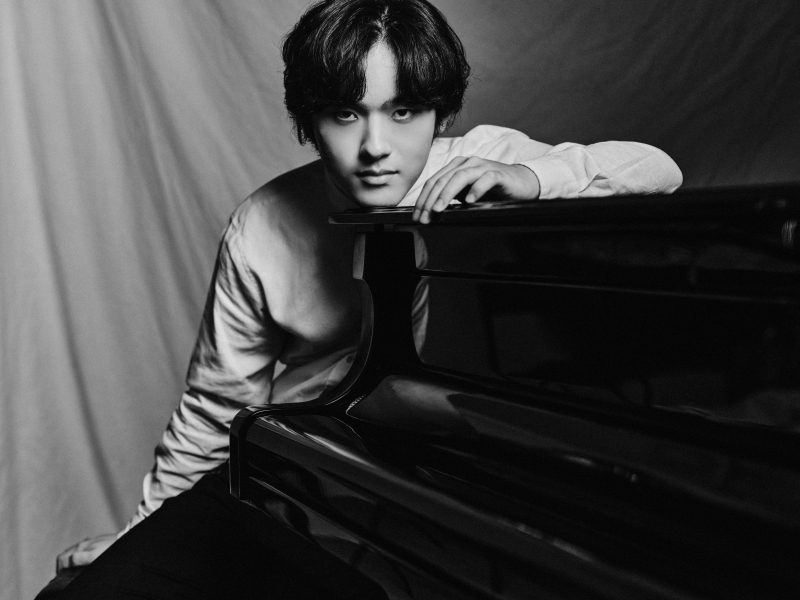
  二〇二五年八月,鋼琴家任奫燦(Yunchan Lim)接受義大利《共和報》(La Repubblica)專訪時,冷靜地剖析自己的內在狀態:「從小我的心裡就積累許多音樂。它們在我體內一點一滴地燃燒,現在就像熔岩一樣,在我的演奏中噴發出來」(Fin da quando ero piccolo, ho accumulato molta musica nel mio cuore. Ha bruciato poco a poco dentro di me, e ora erutta come lava nelle mie esecuzioni)。然而,這種能量釋放並非毫無節制地感性宣洩,而是建立在極度嚴苛的紀律之上。任奫燦均以律己甚嚴著稱,對自己的技術和表現要求高到近乎自虐,他曾經引述詩人里爾克(Rainer Maria Rilke)的哲學來解釋這種近乎苦行的選擇,認為只有孤立與專注才能引領走向深刻的藝術(Secondo Rainer Maria Rilke soltanto la solitudine può portarci a raggiungere un’arte profonda)。

  對任奫燦而言,鋼琴已經超越單純的發聲工具。在這次專訪中,當被問及與鋼琴的關係時,他是這麼回答:「鋼琴是我的土地、我的宇宙、我的風、我的海洋、我的高山,也是我的戀人」(Il pianoforte è la mia terra, il mio universo, il mio vento, il mio oceano, la mia montagna e il mio amante)。這席話體現出鋼琴在他心中早已涵蓋他所感知的一切世界,像宇宙般宏大。

名聲背後的清醒與嚴苛紀律

  二〇二二年,十八歲的任奫燦在范·克萊本國際鋼琴大賽中,成為該賽事史上最年輕的金牌得主。他在決賽中演奏拉赫曼尼諾夫第三號鋼琴協奏曲的實況影片在網路上引發全球關注,至今已累積超過一千八百萬觀看人次。然而,面對突如其來的爆紅與鋪天蓋地的讚美,任奫燦不但沒開心的感覺,反而感到極度不安與煩躁。對他來說,這個人人稱羨的大好機會更像是一種束縛,甚至覺得賽場上那個拿獎的人不是真正的自己,心裡滿是迷茫。這種「冒名頂替症候群」讓他不斷懷疑:明明還有這麼多不足,憑什麼是我拿金牌?比起成為公眾焦點,他更想躲回自己的小世界,安安靜靜地彈琴。

  這種對外界喧囂訊息的警惕,源自他成名初期的經驗。任奫燦在韓國求學末期,曾經處在一個競爭極度激烈的環境,十七歲嶄露頭角後,隨之而來的是面對周遭的嫉妒以及與藝術無關的外部干擾。這些外部壓力和經驗讓他深刻體認到:無論處在何種環境,都要盡力維持心態平靜,不要讓外來影響改變原本的內在生活。所以在聲名大噪之後,他展現出超越年齡的冷靜。為了抵禦干擾,他用更高度的自律,要求自己持續精進琴藝。

  任奫燦處理音符的態度並非來自機械式的反覆演練,而是用心對聲音與樂曲結構的精確校準。在準備錄製《蕭邦練習曲》專輯時,他曾描述自己的練習邏輯:「按下第一個音符時,如果沒有直擊心弦,那就不叫練習⋯⋯如果第一個音和第二個音的連結觸動了自己的心,我才繼續彈下去,否則就重來。⋯⋯我就是這樣練習的。」(When you press the first note, if it doesn’t strike your heart, then it’s not practice, right? … If that connection strikes my heart, then I move on to the third note. … I practiced in this manner.)

深厚的師徒情誼與人文傳承

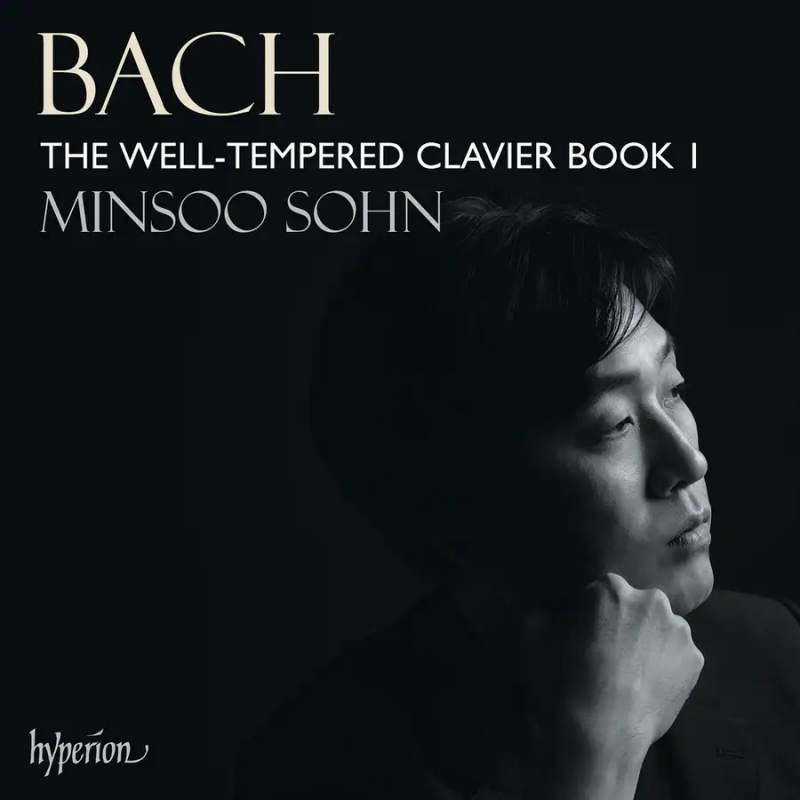
  任奫燦十三歲進入韓國藝術英才教育院(Korea National Institute for the Gifted in Arts)師從鋼琴家孫旻秀(Minsoo Sohn)。相對於當代音樂家傾向追隨多位名師的趨勢,任奫燦看著歷史上眾多鋼琴大師的經歷,很清楚自己要走哪條路。他提到,像拉赫曼尼諾夫、布梭尼和霍洛維茲這些大師,其實都是長期跟隨同一位老師學習,並在老師的指引下,慢慢磨練出自己的音樂風格。對他而言,孫旻秀是他的指路明燈與救贖者。這段深厚的師生情誼,不只建立於彈琴技術的教導上,重點更在於培養深厚的藝術修養。

  孫旻秀的教學理念承襲自其導師謝爾曼(Russell Sherman),主張演奏一個時代的音樂,必須同時理解同時代的其他藝術。在此理念下,任奫燦不僅專注於鍵盤技巧,更從廣泛的人文領域汲取詮釋依據。例如準備李斯特的《但丁奏鳴曲》時,他反覆研讀多個翻譯版本的但丁《神曲》,將文學張力轉化為音樂能量。教學時,孫旻秀更是煞費苦心,為了引導靦腆的任奫燦掌握音樂性格,他會唱歌、表演默劇,有時甚至扮演小丑;同時,孫旻秀也扮演理性制衡的角色,提醒任奫燦展現爆發力的同時也要懂得收斂,以免流於空洞浮誇的技術展示。這份源於師徒的深厚音樂默契,也隨著他們從二〇二五年七月開始搭檔演出四手聯彈與雙鋼琴音樂會,在舞台上不斷延續。

自然美學:舒伯特的不規則線條

  二〇二六年初,任奫燦主動把原定的獨奏會曲目,從蕭邦和舒曼大幅調整為舒伯特與史克里亞賓。這項異動反映出他不願被市場定義為單純「蕭邦演奏家」的決心,也顯示他轉向探索更接近早期現代主義的音樂語言。這一次演出的曲目包括舒伯特D大調第十七號鋼琴奏鳴曲,D. 850。要理解任奫燦的詮釋,可以從他對音樂線條的認知切入。任奫燦回憶高中時,當他把莫札特彈奏得極為工整時,孫旻秀卻不以為然地對他說:「大自然沒有直線」。這個觀點對他產生決定性影響。他非常認同音樂應該像大自然一樣充滿起伏變化,而不是彈得像畫直線那樣死板生硬。對此,那種缺乏靈魂的「直線音樂」,是他絕對無法接受的。因此,他的音樂刻意避開了經過修飾的完美。聽眾可以期待他如何將追求自然、不規則起伏的美學,實踐在奏鳴曲的演奏中。

理智與狂喜:史克里亞賓的七層鎧甲

  若說舒伯特的不規則線條是任奫燦對自然生命力的體察,史克里亞賓第二、三、四號鋼琴奏鳴曲的狂喜則是把這種生命力推向燃燒的極致。在處理作品中龐大的情緒時,任奫燦把蘇聯鋼琴家索弗羅尼茨基(Vladimir Sofronitsky)的美學哲學奉為圭臬:「真正的藝術就像這樣:滾燙的熔岩,上面覆蓋著七層鎧甲!」(Настоящее искусство — это так: раскалённая, кипящая лава, а сверху семь броней!)意指藏在藝術內在的激情、創意和活力,如同滾燙的岩漿,在表達和傳遞的過程中,會受到種種外界的節制、約束和挑戰,因此藝術家必須在兩者之間找到平衡。

  史克里亞賓的奏鳴曲充滿神秘的狂喜與爆發力。聽眾或可期待任奫燦如何憑著對樂曲結構的鑽研與嚴格要求,以理智作為「鎧甲」,去引導音樂中像「熔岩」般滾燙噴發的能量,讓這三首奏鳴曲在情感爆發的同時,依然條理分明,讓人聽得出他在音符背後反覆推敲的用心。

以音樂作為溝通的語言

  任奫燦把音樂視為一種必然的溝通方式,而不只是單純的慰藉。他相信,當語言無法充分表達深邃的情感,尤其是經歷最深的痛苦時,音樂便會應運而生。對他而言,這次演出的舒伯特與史克里亞賓,正是這種理念的精確體現。這場獨奏會並不止於聽覺經驗,而是任奫燦把長期的專注與紀律,轉化為與聽眾對話的語言,希望將音符背後的意志,直接傳遞給台下的每一個人,親身感受如何在層層鎧甲的精心操控與節制之下,散發他心中那股熔岩爆發般的灼熱能量。(2026年3月31日)
In August 2025, during an exclusive interview with the Italian newspaper La Repubblica, pianist Yunchan Lim calmly analysed his inner state: “Ever since I was a child, I have accumulated a lot of music in my heart. It has burned little by little inside me, and now it erupts like lava in my performances" (Fin da quando ero piccolo, ho accumulato molta musica nel mio cuore. Ha bruciato poco a poco dentro di me, e ora erutta come lava nelle mie esecuzioni.). However, this release of energy is not an unrestrained emotional outpouring, but is built upon extremely strict discipline. Lim is renowned for his rigorous self-control, with demands on his own technique and expression that border on the masochistic. He once cited the philosophy of poet Rainer Maria Rilke to explain this almost ascetic choice, believing that only isolation and concentration can guide one towards profound art (Secondo Rainer Maria Rilke soltanto la solitudine può portarci a raggiungere un’arte profonda).
To Lim, the piano has transcended being a mere instrument for producing sound. During this interview, when asked about his relationship with the piano, he replied: “The piano is my land, my universe, my wind, my ocean, my mountain, and my lover" (Il pianoforte è la mia terra, il mio universo, il mio vento, il mio oceano, la mia montagna e il mio amante). These words reveal that in his heart, the piano has long encompassed the entirety of the world he perceives, as vast as the universe itself.
The Clear-Headedness and Strict Discipline Behind the Fame
In 2022, the 18-year-old Yunchan Lim became the youngest gold medallist in the history of the Van Cliburn International Piano Competition. The live video of his performance of Rachmaninoff’s Piano Concerto No. 3 in the final sparked global attention online, accumulating over 18 million views to date. Yet, faced with sudden, explosive fame and overwhelming praise, Lim felt no joy; instead, he experienced severe anxiety and frustration. To him, this highly envied opportunity felt more like a constraint, and he even felt that the person winning the award on stage was not his true self, leaving his heart full of confusion. This “impostor syndrome" made him constantly doubt: “I clearly still have so many shortcomings, so what gives me the right to win the gold medal?". Rather than being the focus of public attention, he preferred to retreat into his own small world and quietly play the piano.
This vigilance towards the clamour of the outside world stems from his experiences during his early rise to fame. During his final years of study in South Korea, Lim lived in an intensely competitive environment; after he began to stand out at the age of 17, what followed was the jealousy of those around him, as well as external interferences unrelated to art. These external pressures and experiences made him deeply realise: no matter the environment, one must try to maintain a peaceful state of mind and not let outside influences alter one’s original inner life. Therefore, after achieving great fame, he displayed a composure well beyond his years. To resist these disturbances, he adopted a higher level of self-discipline, demanding of himself a continuous refinement of his piano skills.
Lim’s attitude towards handling notes does not derive from mechanical repetition, but from a precise, heartfelt calibration of sound and musical structure. When preparing to record his Chopin Études album, he described his practice logic: “When you press the first note, if it doesn’t strike your heart, then it’s not practice, right? … If that connection strikes my heart, then I move on to the third note. … I practiced in this manner".
Profound Mentorship and Humanistic Heritage
At the age of thirteen, Lim entered the Korea National Institute for the Gifted in Arts to study under pianist Minsoo Sohn. In contrast to the current trend where young musicians tend to follow multiple renowned teachers, Lim looked at the experiences of many great piano masters in history and knew exactly which path to take. He noted that masters like Rachmaninoff, Busoni, and Horowitz all studied under a single teacher for a long period, gradually refining their own musical styles under their guidance. To him, Minsoo Sohn is his guiding light and saviour. This deep bond of mentorship is built not only on the instruction of piano technique, but, more importantly, on the cultivation of profound artistic refinement.
Sohn’s teaching philosophy is inherited from his own mentor, Russell Sherman, who advocated that to perform the music of an era, one must simultaneously understand the other arts of that same period. Under this philosophy, Lim focuses not only on keyboard techniques but also draws interpretative inspiration from a broad range of humanities. For instance, when preparing Liszt’s Dante Sonata, he repeatedly studied multiple translated versions of Dante’s Divine Comedy, transforming literary tension into musical energy. During lessons, Sohn goes to great lengths; to guide the shy Lim in grasping the character of the music, he would sing, perform mime, and sometimes even play the “clown" (광대). At the same time, Sohn acts as a rational counterbalance, reminding Lim to know how to hold back while displaying explosive power, so as to avoid slipping into an empty, ostentatious technical display. This profound musical rapport, rooted in their mentorship, continues to unfold on stage, extending through their four-hand and two-piano concerts that began in July 2025.
Aesthetics of Nature: Schubert’s Irregular Lines
In early 2026, Lim proactively made a significant adjustment to his scheduled recital programme, changing from Chopin and Schumann to Schubert and Scriabin. This change reflects his determination not to be defined by the market simply as a “Chopin pianist," while also indicating his desire to explore a musical language closer to early modernism. The repertoire for this performance includes Schubert’s Piano Sonata No. 17 in D major, D. 850. To understand Lim’s interpretation, one can start with his perception of musical lines. Lim recalls that during high school, when he played Mozart’s works with extreme neatness, Sohn disagreed and told him: “There are no straight lines in nature" (자연에는 직선이 없다고요). This perspective had a decisive impact on him. He strongly agrees that music should be full of undulating changes like nature, rather than being played as rigidly and stiffly as drawing a straight line. To him, such soulless “straight-line music" is absolutely unacceptable. Consequently, his music deliberately avoids polished perfection. Listeners can look forward to seeing how he puts this aesthetic of pursuing natural, irregular undulations into practice in his performance of the sonata.
Intellect and Ecstasy: Scriabin’s Seven Layers of Armour
If Schubert’s irregular lines represent Lim’s observation of nature’s vitality, the ecstasy of Scriabin’s Piano Sonatas Nos. 2, 3, and 4 pushes this vitality to its burning limits. When handling the immense emotions in these works, Lim embraces the aesthetic philosophy of the Soviet pianist Vladimir Sofronitsky as his guiding principle: “True art is like this: red-hot, boiling lava, and on top of it, seven armours!" (Настоящее искусство — это так: раскалённая, кипящая лава, а сверху семь броней!). This implies that the passion, creativity, and vitality hidden within the core of art are like boiling magma; during the process of expression and transmission, they are subjected to various external restraints, disciplines, and challenges, therefore requiring the artist to find a balance between the two.
Scriabin’s sonatas are filled with mystical ecstasy and explosive power. Listeners might expect how Lim, relying on his deep study and strict demands on musical structure, will use reason as his “armour" to guide the scorching, erupting energy of the “lava" within the music. This ensures that while the three sonatas erupt with emotion, they remain highly structured, allowing the audience to hear his meticulous contemplation behind the notes.
Using Music as a Language for Communication
Lim views music as an essential mode of communication, rather than merely a source of comfort. He believes that when language fails to fully express profound emotions, especially during experiences of the deepest pain, music will emerge as the answer. For him, the Schubert and Scriabin pieces in this performance are the exact embodiment of this concept. This recital does not stop at being an auditory experience; rather, it is the result of Lim transforming his long-term focus and discipline into a language for conversing with the audience. He hopes to directly transmit the will behind the notes to everyone in the hall, allowing them to personally feel how, under the careful control and restraint of layers of armour, he radiates the scorching, erupting magma-like energy from within his heart. (31 March, 2026)


發表留言