
拒絕慣例的馬勒收官之作:畢契科夫與捷克愛樂的十年辯證
  近期唱片公司將畢契科夫(Semyon Bychkov)和與捷克愛樂合作的馬勒交響曲錄音一次完整推出。這個計畫自二○二二年起分批發行,原本尚有幾首未出版,如今改以盒裝形式補齊第六至第九號,集中呈現多年累積的成果。由於畢契科夫已宣布將於二○二七至二八樂季後卸任,結束長達十年的音樂總監任期,這套全集也因此帶有明確的收官意味,彷彿為他與樂團的合作畫下句點。

少年時期的馬勒啟蒙

  畢契科夫與馬勒的緣分要從童年說起。他七歲進入列寧格勒(今聖彼得堡)的葛令卡合唱學校就讀,校舍與當地愛樂廳的葛令卡小廳相距不遠,列寧格勒國立交響樂團經常在此排練。十二歲的某一天,畢契科夫照例趁著下課空檔,衝到音樂廳後面偷看排練,正好聽見一段音樂從寂靜中慢慢浮現,那種「從無到有」的瞬間讓他著迷,甚至忘了回教室上課。放學後,畢契科夫從海報得知,剛才聽到的是馬勒第三號交響曲終樂章〈愛情告訴我的事〉(Was mir die Liebe erzählt)的開頭。

  那一年,早就立志成為指揮的畢契科夫確立一生與馬勒同行的信念。半個世紀後,他終於完成整套馬勒交響曲錄音。而要理解畢契科夫指揮棒下的馬勒面貌,得從他的成長背景說起。因為這套全集引起爭議的所有特徵,都根源在他少年時期的兩段經歷。

兩段關鍵的成長經歷

  第一段是他在列寧格勒音樂學院師從穆辛(Ilya Musin)的經歷。穆辛是少數將指揮視為「可系統教授的技術」的老師,他要求每一個手勢都要清楚傳達速度、力度與聲部進入,而不是靠誇張而訴諸感性的動作或表情去「表演」。畢契科夫日後能在馬勒動輒八、九十分鐘的作品中穩住整體結構,正是來自這樣的訓練。

  另一段經歷影響更深。十二歲那年冬夜,父親在街頭對畢契科夫說:「蘇聯官方告訴我們的一切都不是真的,整個體制建立在謊言上。」這句話讓他對「官方說法」產生本能的懷疑,也逐漸看清:他那猶太裔身分與偏好獨立思考的頭腦,在蘇聯體制內不會有出路。於是二十二歲時,他選擇流亡西方。

  一個從小學會分辨「官方說法」與「真實狀況」的人,面對樂譜自然會格外警覺:那些被視為理所當然的演奏習慣,真的是作曲家的本意嗎?還是只是長年累積的「慣例」?因此他嚴格區分「傳統」與「習慣」:傳統是精神上的延續,習慣是沒有經過思考就照單全收的慣性。他對後者深惡痛絕,因此面對任何一部經典作品,都要親自回到樂譜,從作曲家寫下的音符開始重新檢視。

回歸原點的合作模式

  畢契科夫於二○一八年接任捷克愛樂首席指揮。排練史麥塔納《我的祖國》時,他發現樂譜上寫滿歷任指揮的註記,層層疊疊,幾乎掩蓋原譜。他認為這讓樂手看不見作曲家的原意,於是要求改用全新、沒有標記的樂譜。這讓樂團相當不安。對捷克愛樂而言,《我的祖國》幾乎是血液的一部分,要放下累積數代的記號,就像失去依靠。首席甚至親自致電表達憂慮。畢契科夫沒有強硬要求,只回應:音符沒有改變,他只是希望大家回到原點。這也成為他與樂團的合作模式:以建議取代命令,在尊重中建立共識,從「一向如此」或「指揮要求」轉變為「我們共同的選擇」。馬勒全集的錄製,正是建立在這樣的基礎上。

壓抑神經質的美學選擇

  全集發行後,樂評呈現兩極反應。支持者讚賞其室內樂般的透明度、木管音色的溫潤,以及整體結構的精準掌控,其中第四、第七與第八號《千人》尤其得到高度評價。批評者則指出:第二號《復活》終樂章缺乏爆發力,第五號情感過於克制,第六號則顯得過於端莊。不過,這些分歧其實指向同一個問題:畢契科夫刻意壓抑馬勒音樂中神經質與歇斯底里的面向,這樣的選擇是否合理?

  畢契科夫的邏輯很清楚:歷經百年演出傳統,馬勒早已經形成一套固定的「馬勒演奏方式」:誇張的彈性速度、強烈的動態對比、濃烈的弦樂音色。但是他不認為這些必然等於作曲家的本意。畢契科夫相信譜面本身已經有足夠的力量,不需要額外渲染。他把這種詮釋稱為「生命的複音音樂」,讓高貴與平庸、超脫與世俗等各種矛盾並存,而不是硬把音樂推向某一種情緒的極端。

  這樣的選擇當然有代價。對於習慣某幾個「權威版本」的聽眾來說,畢契科夫的第二號《復活》確實少了末日審判般的重量,第五號也少了撕心裂肺的熱度,這是事實。但是他把一向讓人頭痛的第七號處理得異常清晰流暢,更在龐大的第八號裡維持住清澈的音場和精準的建築感,完美命中了一個「令人腎上腺素爆發的高潮」,證明了節制同樣能積蓄出強大的爆發力,這同樣是事實。

第九號交響曲的極致考驗

  第九號交響曲則是另一層爭議。這部作品的終樂章的極慢板,是最考驗指揮控制力與詮釋深度的一段。畢契科夫把最後二十七小節整整拉長至近五分鐘。支持的一方認為,這讓音樂逐漸「消散」為純精神狀態;反對者則指出一個很實際的技術問題:速度過慢,弦樂難以維持穩定的極弱音,聲音因此產生斷裂,留下的不是寧靜,而是空洞。

  這個爭議的性質和前面幾首不太一樣。前面的分歧是美學立場的不同,第九號則是演奏效果的觀點分歧:究竟畢契科夫想要的那種「物質消散」有被演奏出來,還是音樂只是單純失去支撐?這要聆聽者自己判斷。可以確定的是,他追求的境界確實很高,但是也因此付出相當代價。

一條通往馬勒的獨立路徑

  這套全集適合把馬勒視為結構大師,而非神經質詩人的聽眾。它不會取代伯恩斯坦(Leonard Bernstein)或是鄧斯泰特(Klaus Tennstedt)的地位,但是提供另一條理解馬勒的路。對一位從十二歲立志投入馬勒,直到七十多歲才完成全集的指揮而言,這套錄音無需討好所有人,只需忠於自己畢生的鑽研與理解。而這一點,畢契科夫確實做到了。(2026年8月18日)
Recently, the complete cycle of Mahler symphony recordings by Semyon Bychkov and the Czech Philharmonic has been released in its entirety. This project, issued in instalments since 2022, initially had a few unpublished symphonies; however, it has now been completed in a box set incorporating Symphonies Nos. 6 through 9, presenting the culmination of years of accumulated work. As Bychkov has announced he will step down at the end of the 2027–2028 season, concluding a decade-long tenure as Music Director, this complete cycle carries a distinct sense of culmination, seemingly drawing a close to his collaboration with the orchestra.
A Childhood Introduction to Mahler
Bychkov’s connection with Mahler traces back to his childhood. At the age of seven, he enrolled at the Glinka Choir School in Leningrad. The school building was located not far from the Maly Hall of the Leningrad State Philharmonic, where the Leningrad State Symphony Orchestra frequently rehearsed. One day, at the age of twelve, Bychkov took advantage of a class break to sneak backstage to watch a rehearsal, as was his custom. He happened to hear a passage of music slowly emerging from silence; this moment of sound materialising ‘from nothing to something’ captivated him so completely that he forgot to return to class. After school, Bychkov discovered from a poster that he had just heard the opening of the finale of Mahler’s Symphony No. 3, “Was mir die Liebe erzählt".
That year, Bychkov, who had long resolved to become a conductor, established a lifelong conviction to walk alongside Mahler’s music. Half a century later, he has finally completed the recording of the entire cycle of Mahler symphonies. To understand Mahler through Bychkov’s baton, one must look at his formative background, for all the controversial characteristics of this cycle are rooted in two key experiences from his youth.
Two Pivotal Formative Experiences
The first was his time studying under Ilya Musin at the Leningrad Conservatory. Musin was among the few teachers who viewed conducting as an art with a specific, transmissible technique; he demanded that every gesture clearly communicate tempo, dynamics, and entries, rather than relying on exaggerated, emotionally-driven movements or facial expressions to ‘perform’. Bychkov’s ability to maintain structural integrity in Mahler’s massive, 80-to-90-minute works stems directly from this rigorous training.
The second experience had an even more profound impact. On a winter night when Bychkov was twelve, his father told him on the street: “There is no truth to what they are telling us. The whole Soviet Union is based on a lie." This revelation instilled in him an instinctive scepticism towards ‘official narratives’ and gradually made him realise that his Jewish heritage and independent mind would have no future within the Soviet system. Consequently, at the age of 22, he chose to emigrate to the West.
For someone who learned from childhood to distinguish between official narratives and truth, approaching a musical score naturally warrants particular vigilance: are these taken-for-granted performance habits truly the composer’s original intention, or are they merely accumulated ‘conventions’? Thus, he strictly distinguishes between ‘tradition’ and ‘habit’—noting that “tradition is a spiritual thing", whereas habit is an unthinking, automatic routine. He detests the latter; therefore, when confronting any classical masterpiece, he insists on returning to the score itself, re-examining it from the very notes the composer wrote.
A Collaborative Model of Returning to the Source
Bychkov became Chief Conductor of the Czech Philharmonic in 2018. While rehearsing Smetana’s “Má vlast", he discovered that the scores were densely covered with pencil markings left by previous conductors, almost obscuring the original text. Believing this prevented the musicians from seeing the composer’s true intentions, he requested the use of brand-new, unmarked scores. This caused considerable unease within the orchestra. For the Czech Philharmonic, “Má vlast" is practically in their blood; abandoning generations of accumulated markings felt like losing their anchor. The concertmaster even called him personally to express their concerns. Bychkov did not force the issue; he simply responded that the notes had not changed—he merely wished for everyone to look at the original text with fresh eyes. This approach defined his collaborative model with the orchestra: replacing commands with suggestions, building consensus through respect, and transforming interpretations from “it has always been done this way" or “the conductor demands it" into a shared creation. The recording of the Mahler cycle is built upon exactly this foundation.
The Aesthetic Choice of Suppressing Neurosis
Following the cycle’s release, critical reception was highly polarised. Supporters praised its chamber-like transparency, the warmth of the woodwinds, and the precise control of the overall structure, with Symphonies Nos. 4, 7, and 8 (Symphony of a Thousand) receiving particularly high acclaim. Detractors, however, pointed out that the finale of the Symphony No. 2 (Resurrection) lacked explosive power, No. 5 was overly restrained in emotion, and No. 6 appeared too decorous. Yet, these divergences ultimately point to the same underlying question: Bychkov deliberately suppresses the neurotic and hysterical aspects of Mahler’s music—is this choice justified?
Bychkov’s logic is clear. After a century of performance tradition, a fixed ‘Mahlerian style’ has taken root: exaggerated rubato, extreme dynamic contrasts, and a thick string sound. However, he does not believe these inevitably equate to the composer’s original intent. Bychkov trusts that the score possesses sufficient power in itself and requires no additional sensationalism. He describes this interpretative approach as expressing the “polyphony of life, its nobility and banality, its reality and its otherworldliness", allowing various contradictions to coexist rather than forcing the music into emotional extremes.
Such a choice naturally comes at a price. For listeners accustomed to certain ‘authoritative versions’, Bychkov’s Symphony No. 2 indeed lacks the apocalyptic weight, and his No. 5 lacks visceral intensity; this is a fact. But it is equally true that he handles the notoriously difficult Symphony No. 7 with exceptional clarity and fluency, and maintains a lucid soundscape and precise architecture in the colossal Symphony No. 8, perfectly nailing an “adrenaline-fuelled climax" (The Guardian, April 2026) and proving that restraint can similarly accumulate tremendous explosive power.
The Ultimate Test of the Ninth Symphony
Symphony No. 9 presents another layer of controversy. The ‘Adagissimo’ of its finale is perhaps the ultimate test of a conductor’s control and interpretative depth. Bychkov stretches the final 27 bars to nearly five minutes. Supporters argue this allows the music to gradually dissipate and become “pure spirit"; opponents, however, point out a very practical technical issue: the tempo is so slow that the strings struggle to sustain a stable ‘pianissimo’, causing the sound to fracture. What remains is not tranquillity, but rather one “‘dead’ silence" after another.
The nature of this dispute differs from the preceding symphonies. The earlier disagreements were rooted in differing aesthetic stances, whereas the debate over the Ninth centres on performance execution: was Bychkov’s desired ‘dissipation of matter’ successfully articulated, or did the music simply lose its structural support? This is for the listener to judge. What is certain is that the realm he strives for is exceedingly high, though he pays a considerable price for it.
An Independent Path to Mahler
This cycle is tailored for listeners who view Mahler as a master of structure rather than a neurotic poet. It will not supplant the status of Leonard Bernstein or Klaus Tennstedt, but it offers an alternative path to understanding Mahler. For a conductor who resolved to devote himself to Mahler at the age of twelve and only completed the full cycle in his seventies, these recordings do not need to please everyone; they only need to remain faithful to his lifelong study and understanding. And in this regard, Bychkov has undoubtedly succeeded. (18 August, 2026)
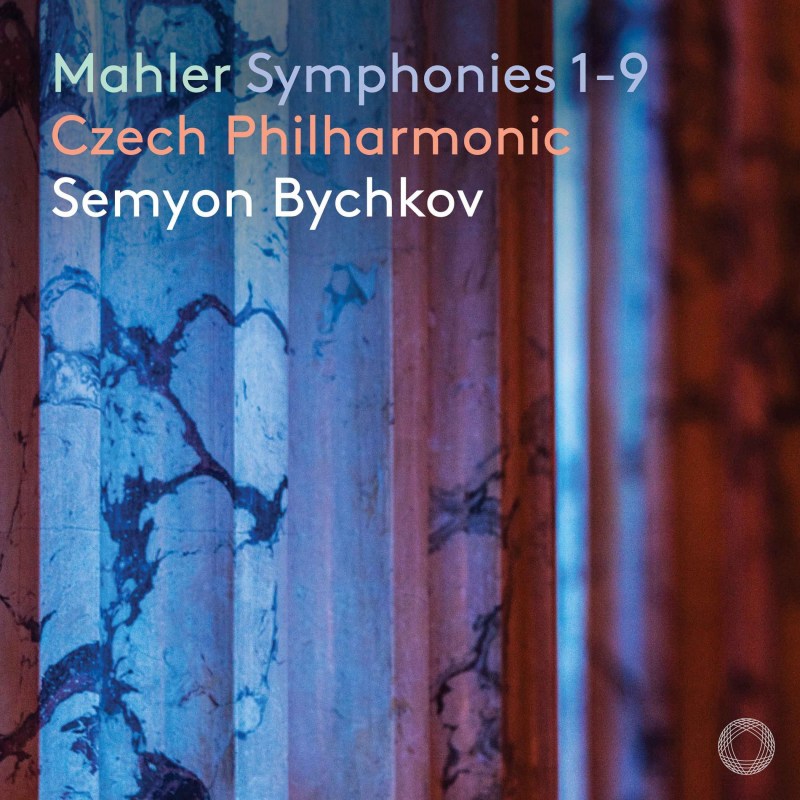
MAHLER Symphonies 1-9
Czech Philharmonic Orchestra, Semyon Bychkov



發表留言