
異域視角下的英國迴響:山田和樹與伯明罕市立交響樂團的華爾頓實驗
  不少古典音樂愛好者認為,只有「本國人演奏本國音樂」,才能真正掌握作品原本的風格。不過,如果演奏方式始終只在同一套傳統裡反覆延續,音樂也可能逐漸失去變化與活力。日本指揮家山田和樹曾經提到,人類在嬰兒時期能辨識多種聲音,但是一旦長期習慣某種語言,耳朵會慢慢被固定的聲音模式限制。音樂詮釋其實也是同樣的道理。如果始終侷限於既有傳統,表現方式反而容易變得僵化。

  伯明罕市立交響樂團(City of Birmingham Symphony Orchestra,CBSO)最新發行的華爾頓專輯,正好提供一個很典型的例子。這支擁有百年歷史的英國樂團,在音樂總監山田和樹帶領下,為DG錄製華爾頓的兩首交響曲,並收錄他於一九五三年為伊莉莎白二世加冕典禮創作的加冕進行曲《皇室寶球與權杖》(Orb and Sceptre)。

  這三首作品都是伯明罕交響廳的現場演出實況,但是錄音時間橫跨將近一年。先是二○二四年十二月演出第二號交響曲與加冕進行曲,直到十一個月後,才又演出第一號交響曲。專輯推出後,外界評價相當分歧。第二號交響曲幾乎獲得一致好評,第一號交響曲的反應卻明顯兩極。而加冕進行曲更引發「現代感」與「傳統皇家氣派」之間的爭論。這些差異,某種程度上也反映出山田和樹理解華爾頓的角度。

巡演中萌發的默契

  二○一六年,山田和樹以客席指揮身分,首次帶領CBSO前往日本巡演。樂團挑選的安可曲是華爾頓為電影《亨利五世》(Henry V)所寫的〈輕觸她柔軟的雙唇〉(Touch Her Soft Lips and Part)。這次經驗讓原本對華爾頓並不熟悉的山田和樹,開始對這位作曲家產生興趣。當時CBSO正值音樂總監交接時期,雙方在長達兩週的巡演中逐漸建立默契,也成為他後來接任首席客座指揮與音樂總監的重要契機。

  英國職業樂團向來以高效率著稱,往往經過短時間排練後便直接登台。不過山田和樹發現,即使工作節奏緊湊,CBSO仍維持相當輕鬆而開放的排練氣氛。他不太依賴生硬的演奏術語,而是透過描繪具體畫面來引導樂手。例如他曾用「花朵綻放」形容音樂線條,希望樂手用更自然、更流動的方式演奏。這種偏重畫面感與直覺的排練方式,也逐漸形成他與CBSO之間獨特的默契。

俳句美學與建築結構

  身為日本指揮,山田和樹並非被動模仿英國傳統的表面聲響,而是主動尋找英日文化中的共通點。他幽默地提到兩國同為島國、都有皇室,甚至連開車都靠左行駛。至於英國音樂經常強調一種被稱為「nobilmente」的高貴特質,山田和樹從宗教與結構切入。他把第一號交響曲第四樂章中龐大且複雜的賦格(Fugue)段落與巴赫作品的宗教性相連,認為這是一種對美的信念表白。

  此外,他也把日本文化的「留白」美學帶入樂團。山田和樹以「俳句」為喻:俳句僅用短短十七個音節,卻能讓讀者在腦海中想像出無限廣闊的畫面。他試圖將這種「極簡卻蘊含深意」的哲學應用於CBSO的演奏中,這種跨文化視角,反而幫助樂團在複雜密集的樂譜中整理出清晰層次,讓音符之外的空間也能開口說話。

距離感造就的地中海色彩

  完成第一號交響曲後約二十五年,為了尋找安靜而且溫暖的工作環境,華爾頓與妻子避居義大利南部的伊斯基亞島(Ischia),並且在那裡寫下第二號交響曲。山田和樹曾經親自走訪華爾頓在島上的故居,當他在山上眺望壯麗的海景時,對這位作曲家的人生選擇有了具體的體會:正因為離開家鄉,華爾頓反而能以更冷靜且清晰的角度看待自己的文化。山田和樹也因此聯想到自己的處境:「我對日本也有類似的感覺。因為我住在歐洲,有了距離與另一種心態,或許反而能將故鄉看得更清楚。」

  第二號交響曲本來就深受法國音樂影響,例如第一樂章開頭的異國情調、地中海光影與德布西式的輕盈。正因為山田和樹也站在一個遠離英國沉重傳統的客觀視角,與晚年的華爾頓產生共鳴,這種「距離感」對於詮釋第二號交響曲是天生的優勢。

賽車速度感與理性的解構

  然而,當這套邏輯套用在情緒更為劇烈的第一號交響曲時,卻產生意想不到的解構。這部作品經常被解讀為表現作曲家失戀的痛苦,山田和樹重新研究樂譜後,卻把它視為一場充滿陽光與色彩的「航海冒險」。特別是標示為「帶有惡意」(con malizia)的第二樂章,山田和樹看到的並非單純的情緒宣洩,而是觀察樂譜上複雜且不斷變換的節奏。他將這種推進感比喻為「一級方程式賽車手」的體驗,認為音樂中展現的是極限速度下幾乎沒有喘息空間的緊張感。但也正因為這種理性的解構,帶來了張力的妥協。對於習慣傳統詮釋中那種「刀鋒般銳利」與緊迫感的聽眾來說,山田在追求開闊結構的同時,也削弱傳統詮釋的憤怒情緒,讓部份焦躁的急迫感在跨文化視角梳理下顯得溫和許多。山田和樹把指揮第一號交響曲比喻為「衝浪」,這種近乎第六感的即時應變能力,讓每一次演奏都保有鮮活的生命力。然而,在轉換為錄音作品時,物理聲響的客觀瑕疵也成為樂評檢視的焦點;例如首樂章開頭至關重要的定音鼓滾奏,因為山田要求極其輕柔的弱奏,導致在錄音成品中幾乎微弱至無法聽見,且部分段落的銅管顯得過於退縮,削弱樂曲應有的深度與透明度。

皇室氣派對決現代靈魂

  專輯中爭議最大的,是加冕進行曲《皇室寶球與權杖》。支持者認為,山田和樹避開了英國皇家進行曲常見的厚重感,讓音樂聽起來更精煉、更靈活,也重新凸顯華爾頓藏在華麗配器底下的幽默感。但反對者則認為,這種處理削弱英國皇家進行曲的莊嚴與重量,這樣的演奏過於輕快,少了加冕典禮應有的威嚴。

  或許,這正是這張專輯真正值得討論的地方。當一位日本指揮帶領英國樂團演奏英國音樂時,他既沒有完全遵循、也沒有刻意反抗傳統,而是試圖用不同文化背景觀點重新理解華爾頓。這張專輯之所以引發如此分歧的評價,也正說明跨文化詮釋確實改變人們理解華爾頓的方式,也激起不同的回應。山田和樹所引發的反思,或許已經不是單純的「好不好聽」,而是醒人們思考,究竟希望音樂遵循著既有觀念,還是在不同時代、不同文化的詮釋者啟發之下,持續探索新的空間。(2026年8年25日)
Many classical music lovers believe that only ‘native musicians performing native music’ can truly capture the authentic style of a work. However, if performance traditions are merely replicated in a closed loop, music risks losing its capacity for change and vitality. The Japanese conductor Kazuki Yamada once observed that human beings possess their most fertile sensitivity to tone colours during infancy, where they exist in a completely open, ‘zero-base’ state. He noted:
‘There is a view that human beings possess the richest palette of tone colours during infancy. Babies exist in a “zero-base" state before being confined to any specific language or culture, possessing the flexibility to adapt to a language with thirty vowels. However, as they grow and become fixed within a particular culture, they exclude other options, making it extremely difficult to incorporate new tone colours.’ (人間にとって最も音色が豊かなのは『赤ちゃん』の時期だという考え方があります。赤ちゃんは特定の言語や文化に固定される前の『ゼロベース』の状態にあり、例えば母音が30個ある言語にも対応できる柔軟性を持っています。しかし、成長し特定の文化に固定されると、他の選択肢を排除してしまい、新しい音色を取り入れることが非常に困難になります。)
Musical interpretation operates on a similar principle. If we limit ourselves strictly to established traditions, our expressive vocabulary inevitably becomes rigid.
The latest Walton album released by the City of Birmingham Symphony Orchestra (CBSO) provides a prime example of this phenomenon. Under the leadership of their Music Director, Kazuki Yamada, this century-old British orchestra has recorded William Walton’s two symphonies for Deutsche Grammophon, alongside his coronation march, “Orb and Sceptre", composed for the coronation of Queen Elizabeth II in 1953.
Recorded live at Symphony Hall, Birmingham, the three works span a recording period of nearly a year—beginning with the Second Symphony and “Orb and Sceptre" in December 2024, followed eleven months later by the First Symphony in November 2025. Upon its release, the album polarised opinion. While the Second Symphony garnered almost unanimous praise, responses to the First Symphony were decidedly mixed, and “Orb and Sceptre" ignited a debate over its ‘modern’ feel versus ‘traditional royal grandeur’. These discrepancies, to some extent, reflect Yamada’s distinct approach to Walton.
Rapport Forged on Tour
In 2016, Yamada made his first tour of Japan with the CBSO as a guest conductor. For their encore, the orchestra chose ‘Touch her soft lips and part’ from Walton’s film score for Laurence Olivier’s “Henry V". Having had little previous exposure to Walton, Yamada was deeply moved by the miniature: ‘I thought, “Wow, such a piece as this exists?" That’s when I became interested in Walton’s other music.’ This tour took place during a transitional period for the CBSO, in the interregnum between Andris Nelsons’ departure and Mirga Gražinytė-Tyla’s arrival. Over the course of the two-week tour, conductor and orchestra forged a close bond, which paved the way for his subsequent appointments as Principal Guest Conductor and, ultimately, Music Director.
British professional orchestras are renowned for their staggering efficiency, often performing with minimal rehearsal time. Yet Yamada discovered that despite the intense schedule, the CBSO maintained a relaxed and open atmosphere. Rather than relying on technical ‘conductor-speak’, he guided the musicians using vivid imagery. Players recalled that ‘he has amazing ways of describing music; he might describe pictures, specific situations, or the image of a flower opening.’ This intuitive, imagery-led approach has nurtured a unique, intuitive rapport between Yamada and the orchestra.
Haiku Aesthetics and Architectural Structure
As a Japanese conductor, Yamada does not merely mimic the surface traits of traditional British sound; instead, he actively seeks cultural affinities between Britain and Japan. He humorously notes that both are island nations with royal families, a love of tradition, and a habit of driving on the left: ‘It sounds like a small thing, but it’s just one of many strange similarities.’ Where British music demands the Elgarian quality of “nobilmente", Yamada approaches it through structure and spirituality. He links the massive, complex fugue in the finale of Walton’s First Symphony to the religious conviction of J.S. Bach: ‘It’s a great way to write, and for me, yes, it’s like Bach – I feel it is a little bit religious. Yes, religious!… A fugue is a statement of belief.’
Furthermore, he infuses the performance with the Japanese aesthetic of “ma" (spatial vacancy or ’empty space’). Yamada invokes the metaphor of the haiku: ‘In Japanese, we think language and words should be very short — shorter and shorter and shorter, until finally there is beauty. For example, the Japanese haiku poem is very short, only 17 syllables overall, but even 17 syllables can say something; the people reading it can imagine the rest of the picture.’ By applying this philosophy of ‘minimalism with profound depth’ to the CBSO, he helps the orchestra carve out clear layers within complex, dense scores, allowing the space between the notes to speak.
Mediterranean Colour Born of Distance
Some twenty-five years after finishing his First Symphony, Walton and his wife retreated to the volcanic island of Ischia in southern Italy, seeking a warm and quiet environment in which to compose. Having made a pilgrimage to Walton’s home on the island, Yamada gazed out at the spectacular sea views and gained a physical understanding of the composer’s choice: by distancing himself from England, Walton could view his own culture with objective clarity. Yamada drew a parallel to his own life:
‘I feel a similar way about Japan. I’m living in Europe, so I can see the country from a distance, with another attitude, maybe more clearly.’ (日本に対しても同じような感覚を持っています。私はヨーロッパに住んでいるので、遠くから、別のアティチュードで、おそらくよりクリアに国を見ることができるのです)
The Second Symphony is inherently shot through with French influences, notably in the opening movement’s exoticism, Mediterranean play of light, and Debussian lightness. Operating from a similarly detached perspective—far removed from the heavy burdens of British performance tradition—Yamada achieves a natural resonance with the late composer, turning this ‘distance’ into a distinct interpretative advantage.
Racing Momentum and Rational Deconstruction
However, when this objective logic is applied to the emotionally tempestuous First Symphony, it leads to an unexpected deconstruction. While the work is traditionally interpreted as a manifestation of the heartbreak Walton suffered during his split from Imma von Doernberg, Yamada bypasses this dark narrative. Instead, he treats it as a ‘sea voyage’ filled with ‘drama… sunny and full of colour’. In the second movement—famously marked ‘Presto, con malizia’ —Yamada does not see pure emotional release, but rather a game of complex, shifting meters. He compares the momentum to the thrill of a Formula One driver: ‘Very energetic, but always restless – no time for bliss.’
Yet, this highly rational deconstruction inevitably compromises the work’s inherent tension. For listeners accustomed to the ‘razor-sharp articulation’ and visceral urgency of classic recordings, Yamada’s pursuit of structural breadth softens the music’s raw fury. While his ‘surfing’ metaphor—where he relies on a ‘sixth sense’ to ride waves of live excitement—makes for a thrilling concert experience, the transition to record lays bare several acoustic flaws. John Quinn pointed out that the opening timpani roll, played ‘pianissimo’ at Yamada’s request, is ‘all-but inaudible’ on disc, while other critics observed that the brass in certain passages feels ‘too recessed,’ depriving the symphony of its necessary depth and transparency.
Imperial Grandeur Versus the Modern Soul
The most controversial track on the album is undoubtedly the coronation march, “Orb and Sceptre". Proponents admire how Yamada steers clear of the customary imperial pomposity, offering an account that is lean, agile, and alert to Walton’s underlying wit. Detractors, however, argue that this approach strips the march of its requisite weight and dignity. In their ears, the performance sounds too breezy—more akin to a ‘fairground’ than the solemnity of Queen Elizabeth II’s coronation. Furthermore, David A. McConnell lamented a conspicuous acoustic omission: despite the superb organ in Birmingham’s Symphony Hall, the instrument is ‘sorely missed’ and entirely inaudible in the final statement of the Trio, slightly undermining the ceremony’s grand climax.
Perhaps this tension is precisely what makes the album so worthy of discussion. When a Japanese conductor leads a British orchestra in quintessentially British repertoire, he neither slavishly conforms to tradition nor aggressively rebels against it. Instead, he views Walton through a distinct cultural lens. The polarised reception of this release demonstrates how cross-cultural interpretation can fundamentally alter our perception of a composer’s oeuvre. The questions raised by Yamada’s readings ultimately transcend simple questions of taste; they challenge us to consider whether we expect classical music to remain bound to geographical dogmas, or if we are willing to let it discover new vistas under the guidance of interpreters from different eras and cultural worlds. (24 August, 2026)
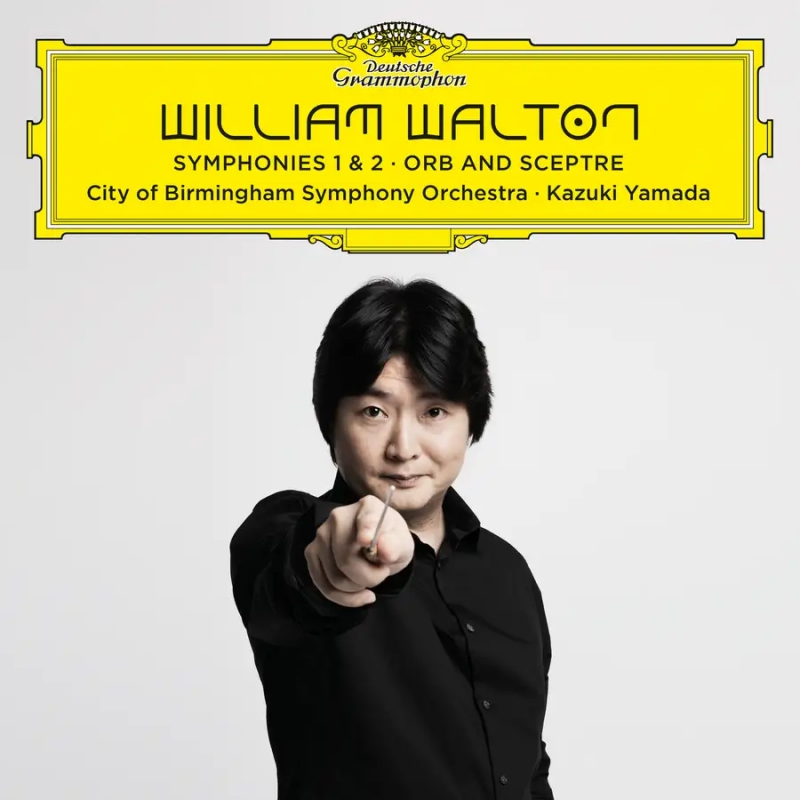
WALTON Orb and Sceptre; Symphonies Nos. 1 & 2
City of Birmingham Symphony Orchestra, Kazuki Yamada
December, 2024 (Orb and Sceptre, Symphony No. 2); November, 2025
Symphony Hall, Birmingham


發表留言