
黑蝴蝶飛散之後:安涅斯重新喚醒特維特《乙太》奏鳴曲
一九七○年夏天的一個夜晚,挪威作曲家特維特(Geirr Tveitt)位於哈當厄峽灣(Hardangerfjord)附近的農舍突然失火。特維特當時不在家,女兒吉里(Gyri Tveitt)和家人半夜被濃煙嗆醒,趕緊逃出屋外。農舍位在偏遠高地,附近也沒有消防栓。當消防隊趕到時,火勢已經無法控制,整棟農舍最終被大火吞沒。
災後次日,特維特的家人試著搬動已經燒毀的鐵櫃。櫃門一打開,裡面焦黑的殘紙便隨風碎裂,四散飄去。後來挪威人以「黑蝴蝶」來形容這個畫面。特維特一生約八成的手稿在那一夜化為灰燼。他寫過至少三十六首鋼琴奏鳴曲,卻只有一首躲過這場火災。
唯一倖存的是第二十九號《乙太》奏鳴曲(Sonata etere)。一九五○年代,挪威音樂出版社曾向特維特邀稿,他便挑選自己最得意的作品之一交付出版。沒想到,正是這次出版,讓奏鳴曲逃過日後的大火。半個多世紀後,挪威鋼琴家安涅斯(Leif Ove Andsnes)又將它選為新專輯的重點曲目。
民謠裡的另一個挪威
特維特出生於卑爾根(Bergen),和葛利格同鄉。長久以來,國際樂壇一提起挪威音樂,幾乎只會想到葛利格,年輕時期的特維特對此頗不以為然。他認為,葛利格把挪威民謠套進德國浪漫派的和聲框架,處理得太過典雅、甜美,反而磨去民謠原本粗獷的性格,淡化它獨特的音階色彩。
不過,特維特並非關在峽灣裡自學的地方作曲家。他去過巴黎、萊比錫與維也納,也接觸過當時重要的歐洲音樂家。第二次世界大戰期間,他回到哈當厄採集民謠,仔細記下當地人唱的民歌,連歌詞唱到一半忘記了,也如實記錄,不擅自補上。對他來說,採集民謠最重要的,就是忠實記下當地人演唱的原貌,連不完整的地方也保留下來。
一首不尋常的奏鳴曲
第二十九號奏鳴曲長約三十分鐘,在特維特以民謠小品為主的創作中,顯得格外特殊。「乙太」這個名稱,與他對星空的迷戀有關。據女兒吉里回憶,父親曾請人在農舍的天花板上畫滿星座,還會帶著孩子們躺在地板上,仰望頭頂的星圖,聽他介紹各個星座。安涅斯認為,特維特對浩瀚宇宙的想像,也能在奏鳴曲第二樂章的聲響中感受到。
這個樂章有一個罕見的演奏指示:演奏者必須用左前臂無聲地壓住低音區一整片白鍵,讓制音器抬起,再用右手在高音區彈出短促的斷奏。高音一響,下方的低音弦便跟著共振,整架鋼琴彷彿成了一個巨大的共鳴箱,聲音緩緩擴散,再逐漸消失。特維特甚至在樂譜上註明,錄音時可以利用電子設備放大這種共鳴效果。
三十年後的重新發現
安涅斯十七、八歲時第一次聽到這首奏鳴曲,雖然印象深刻,卻始終摸不透特維特的創作手法。他只用兩個簡單的民謠風主題,竟能發展出長約三十分鐘的音樂,如何讓各個段落連貫,又能維持整首曲子的張力,成為安涅斯後來重新研究時最想釐清的問題。
二○二○年新冠肺炎疫情期間,演出行程幾乎全部清空,安涅斯終於有時間重新研究擱在書架上多年的樂譜。他慢慢發現,那些看似即興的段落,其實有明確的和聲與節奏走向;只要掌握好速度,各段音樂便能自然銜接。他先在小型音樂會上試奏第一樂章,現場反應讓他相信這首作品能在舞台上打動聽眾,也讓他決定練完全曲。二○二四年至二○二五年間,他帶著這首奏鳴曲在歐洲與北美演出約三十五場,最後於二○二五年七月在倫敦完成錄音。
狂放與節制之間
不過,安涅斯的詮釋和特維特當年親自演奏的方式有很大不同。特維特在一九五○年代留下的錄音顯得相當狂野,速度很快,樂曲高潮來得很早,有些段落甚至逼近失控。安涅斯的處理則較為理性而清晰,遇到結構最複雜的地方,他會刻意放慢速度,讓每一個聲部都能被聽清楚。兩種演奏各有取捨,無法輕易判定高下,誰也無法簡單取代誰。第二十九號奏鳴曲能夠呈現如此不同的面貌,也讓人更想反覆聆聽,比較兩位鋼琴家如何理解同一部作品。
九首歌曲的溫柔面貌
專輯裡還有另一種截然不同的特維特。安涅斯找來妹妹蘇爾薇格(Solveig Andsnes)演唱九首歌曲。她長年活躍於音樂劇與爵士領域,歌聲輕盈樸素,沒有歌劇美聲唱法常見的飽滿音量與華麗修飾,有時像在輕聲訴說,甚至能聽見細微的呼吸。安涅斯的鋼琴也收斂了奏鳴曲裡的強烈氣勢,讓歌聲有充分的表現空間。兄妹倆的合作沒有刻意營造戲劇效果,反而讓這些歌曲顯得更為樸實,格外親近。
不過,這九首歌曲的挑選也經過一番取捨。兄妹倆原本排練了約十五首,最後捨棄部分帶有幽默感和歌廳風格的作品,留下較為抒情、富有詩意的歌曲。這樣的選擇讓專輯的氣氛更加一致,卻也難免淡化了特維特活潑、詼諧的一面。他的音樂原本就不只有一種性格,而安涅斯兄妹顯然更鍾情於其中安靜、細膩的部分。
第二十九號奏鳴曲幸運地逃過一九七○年的大火,卻又沉寂了數十年。安涅斯花了三十多年,才找到自己理解這首作品的方法,也讓它有機會重新出現在國際舞台。如今再聽特維特當年的錄音,與安涅斯的演奏相互比較,更能感受到這首作品的複雜與難以捉摸。它既有民謠的粗獷,也有大型奏鳴曲的複雜結構,而這兩種性格如何在同一部作品裡共存,或許正是它至今仍值得反覆聆聽的原因。(2026年10月20日)
On a summer night in 1970, a sudden fire broke out at the farmhouse of the Norwegian composer Geirr Tveitt near the Hardangerfjord. Tveitt was away at the time; his daughter, Gyri Tveitt, and her family were awakened in the middle of the night by heavy smoke and fled the building on foot. Situated on an isolated high terrain without nearby fire hydrants, the farm was engulfed by the blaze before emergency services could gain control, eventually destroying the entire farmhouse.
The following day, Tveitt’s family attempted to move a charred metal cabinet. As the cabinet door opened, the fragile, burned paper inside disintegrated in the wind and drifted away. In Norway, this heartbreaking image came to be described as “black butterflies”. Roughly eighty per cent of Tveitt’s lifetime output was reduced to ashes that night. Although he had composed at least thirty-six piano sonatas, only a single one survived the disaster.
The sole survivor was Piano Sonata No. 29, Sonata etere (“Ether Sonata”). In the 1950s, the publisher Norsk Musikkforlag had approached Tveitt for a submission, and he selected this piece—one of his proudest creations—for publication. Unwittingly, this publication saved the sonata from the destruction that awaited the rest of his oeuvre. More than half a century later, the Norwegian pianist Leif Ove Andsnes chose it as the centerpiece of a new album.
Another Norway in Folk Music
Tveitt was born in Bergen, the hometown of Edvard Grieg. For decades, the international musical world associated Norwegian music almost exclusively with Grieg—a view the young Tveitt strongly resisted. He argued that Grieg’s practice of fitting Norwegian folk tunes into a German Romantic harmonic framework rendered the music “much too classical”, smoothing away the raw, rugged character of the folk melodies and diluting their distinct modal colours.
Yet Tveitt was no provincial composer isolated in the fjords. He studied in Leipzig, Paris, and Vienna, engaging with leading European musical figures of the era. During the Second World War, he returned to Hardanger to collect folk music, meticulously transcribing local singers’ performances. He took such care that if a singer forgot a line halfway through, he recorded the omission precisely rather than fabricating a completion—often adding footnotes such as “unfortunately the singer couldn’t remember the words here”. For Tveitt, the essence of folk collecting lay in preserving the authentic performance exactly as it was sung, incomplete moments included
An Unusual Sonata
Spanning around half an hour, Sonata No. 29 stands out as an extraordinary anomaly within Tveitt’s output, which consists predominantly of folk miniatures. The title etere (“ether”) reflects his fascination with astronomy and stargazing. As his daughter Gyri recalled, her father had the constellations painted across the ceiling of one of the houses on their farm; as children, they would lie on the floor looking up while he explained the stars to them. Andsnes believes this expansive, cosmic imagination directly informs the acoustic atmosphere of the sonata’s second movement.
This movement contains a rare performance instruction: the pianist must silently depress a cluster of bass white keys with the left forearm to raise the dampers, while playing spartan, staccato motifs with the right hand in the upper register. As the high notes sound, the un-damped bass strings resonate sympathetically below, transforming the piano into a vast resonance chamber where the sound expands subtly before decaying into silence. Tveitt even added a footnote to the score suggesting that this sympathetic resonance could be enhanced electronically for radio or studio recordings.
Rediscovery Thirty Years On
Andsnes first heard the sonata as a seventeen- or eighteen-year-old student at the Bergen Conservatoire. Though it left a massive impression, he struggled for decades to reconcile Tveitt’s compositional approach. How a half-hour work built relentlessly on just two simple, folk-like themes could sustain structural cohesion and momentum remained a troubling question—one he admitted led him to distrust the piece for many years: “I didn’t trust it.”
During the COVID-19 pandemic in 2020, with concert schedules cleared, Andsnes finally retrieved the score from his bookshelf. He gradually discovered that its “combination of through-composed passages and apparently improvisatory passages” contained a clear harmonic and rhythmic trajectory; with judicious pacing, the sections linked together naturally. He road-tested the first movement in intimate recitals during partial lockdowns; the warm audience response convinced him that the work belonged on stage and inspired him to master the entire sonata. Between 2024 and 2025, he performed it in roughly thirty-five concerts across Europe and North America, culminating in a recording made in London in July 2025.
Between Abandon and Restraint
Yet Andsnes’s interpretation differs markedly from Tveitt’s own performance recorded in the 1950s. Tveitt’s rendition was “rather wild”, starting at breakneck speed, reaching climaxes far too early, and at times playing faster than his fingers could physically manage. By contrast, Andsnes takes a more lucid, structured approach: “when there’s a lot going on, I felt the need to take it steadier so you can hear all the layers.” Neither approach renders the other obsolete; each represents a valid artistic choice. That Sonata No. 29 can yield such contrasting interpretations underscores the inherent quality of the music itself, inviting listeners to compare how two pianists navigate the same monument.
The Intimate Side of Nine Songs
The album also reveals a very different facet of Tveitt. Andsnes collaborated with his sister, Solveig Andsnes, to perform nine of Tveitt’s songs. Active primarily in musical theatre and jazz, Solveig brings a light, unvarnished voice devoid of traditional operatic projection or vocal ornamentation—at times resembling a gentle whisper where even the quietest breaths are audible. In response, Andsnes reins in the monumental scale of his solo playing, offering a transparent accompaniment that leaves ample room for the vocal line. Their partnership avoids artificial drama, allowing these songs to emerge with remarkable intimacy and warmth.
The selection of these nine songs involved careful curation. The siblings originally rehearsed around fifteen works, but ultimately set aside the “humorous, cabaret-style songs” because “they didn’t feel like a good fit”, choosing instead “the most poetic and intimate ones, where it’s crucial to be inside the meaning of the text”. While this choice creates a unified album atmosphere, it inevitably tempers Tveitt’s lighter, witty side. His music encompasses far more than a single temperament, though the Andsnes siblings clearly favoured its quietest, most subtle dimensions.
Piano Sonata No. 29 survived the 1970 fire by chance, only to languish in relative obscurity for decades. It took Andsnes over thirty years to find his way into the work and bring it back to international stages. Hearing Tveitt’s historical recording alongside Andsnes’s modern interpretation illuminates the complexity and elusiveness of this piece. Fusing raw folk vigour with the rigorous architecture of a grand sonata, the dynamic tension between these two personalities remains precisely what makes the work so compelling to return to today. (20 October, 2026)
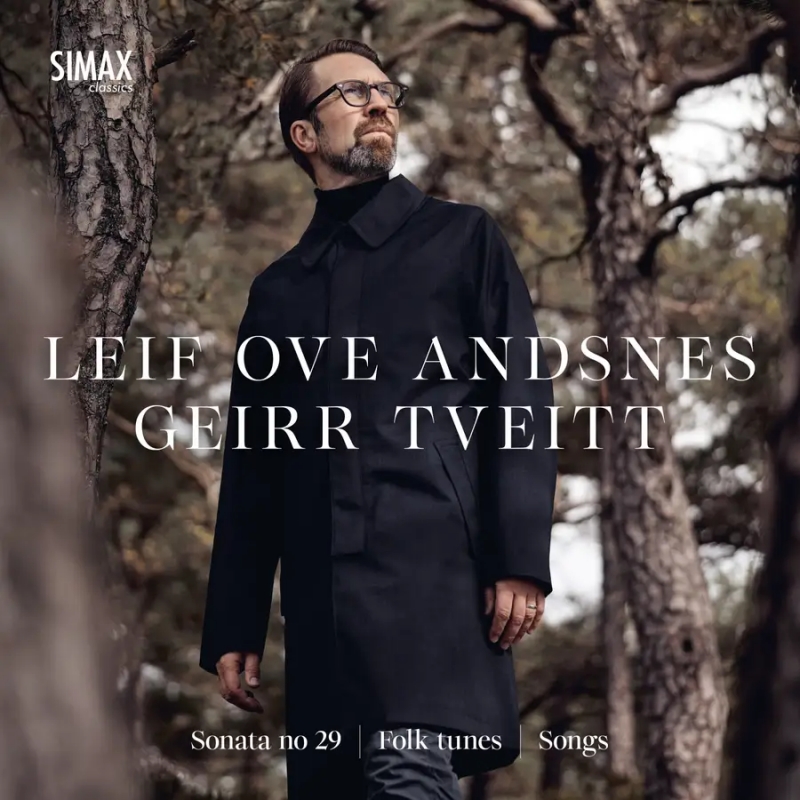
TVEITT Piano Sonata No. 29, Folk Tunes and Songs
Leif Ove Andsnes (piano), Solveig Andsnes
July 2025, London


發表留言