  談到這場音樂會,法特瑪‧薩伊德無疑是最大亮點。所有報導都讚賞法特瑪‧薩伊德演唱電影歌曲《埃及是我的母親》(Masr Heya Ommi),而我卻是對她演唱安德魯‧洛伊韋伯(Andrew Lloyd Webber)的《回憶》(Memory)印象深刻,尤其是這段切換唱腔的地方,發聲法和表情轉換何其流暢,顯現她比一般女高音更寬幅的表現力。之前已經從《光》(El Nour)、《萬花筒》(Kaleidoscope)兩張專輯認識法特瑪‧薩伊德,知道她是一位演唱曲目種類非常豐富,不把聲音限制在某種特定風格或技巧,而是調整聲音以適應曲目多樣靈魂的聲樂家。但是乍聽到她這樣用游刃有餘的技巧,演唱一首非常熟悉的歌曲,還是忍不住讚嘆!

  法特瑪‧薩伊德一九九一年出生於埃及開羅,家世背景與父親的遠見絕對是造就她現今成就的重要因素。父親艾哈邁德‧哈珊‧薩伊德(Ahmed Hassan Said)是埃及著名的商人、體育人士與政治家。除了一九八四年代表埃及參加洛杉磯奧運百米蝶泳,曾經是阿赫利俱樂部(Al-Ahly Sporting Club)董事會副主席。阿赫利不僅是埃及,也是非洲重要的私人體育俱樂部。一九九七年,艾哈邁德與曾經是IBM高階主管的弟弟創辦「全球品牌集團」(Global Brands Group),為中東地區,特別是埃及與沙烏地阿拉伯提供IT技術服務。二○一一年爆發阿拉伯之春時,艾哈邁德踏上政壇,創辦自由埃及人黨 (Free Egyptians Party)並且擔任首任主席,支持無黨籍的現任埃及總統阿卜杜勒-法塔赫·塞西(Abdel Fattah el-Sisi)出馬競選。艾哈邁德本人畢業於提供美式教育,在中東和北非地區非常著名的開羅美國大學(The American University in Cairo, AUC),接著在倫敦政治經濟學院(London School of Economics and Political Science, LSE)、開羅大學取得碩士與博士學位,深知國際性的重要性,因此他讓三個孩子從小就接受菁英教育,接觸外國文化。
法特瑪幼兒時期進入由天主教修女會成立的私立開羅德國學校(Deutsche Schule der Borromäerinnen Kairo)。學校以德語為主要教學語言,同時遵循德國與埃及兩國的課程標準,因此學生畢業後可以同時獲得德國國際畢業資格(Deutsches Internationales Abitur,DIA)和埃及高中文憑(Thanaweya),為學生提供進入德國、埃及或其他國際大學的雙重機會。在熱愛音樂藝術父親的影響下,除了阿拉伯音樂,法特瑪從小就聽古典音樂,還有風格廣泛的流行音樂,包括法國的愛迪‧琵雅芙(Édith Piaf)、芭芭拉(Barbara)、黛莉達(Dalida)、米蕾耶‧瑪蒂厄(Mireille Mathieu)到美國的法蘭克‧辛納屈(Frank Sinatra)、惠妮·休斯頓(Whitney Houston)、瑪麗亞·凱莉(Mariah Carey)、碧昂絲(Beyoncé)等歌手的歌曲。學校重視被埃及社會忽略的古典音樂,因此法特瑪很小就在合唱團唱歌,接受私人鋼琴教育,知道舒伯特、舒曼、布拉姆斯是誰。除此之外,她跳嘻哈舞,也學交際舞,有一年的生日禮物是一整套交際舞課程!因此華納音樂出版《萬花筒》專輯時,也好好利用法特瑪的舞蹈才華,讓她在宣傳影片中表演圓舞曲和探戈。
  十四歲那一年,法特瑪開始師事女高音阿盧巴(Neveen Allouba),從合唱團走向古典歌劇演唱家,並且讓她有勇氣前往柏林參加艾斯勒音樂學院(Hochschule für Musik Hanns Eisler Berlin)入學考。法特瑪原本的夢想則是當牙醫或是研究英國文學,但是在亞歷山大港參加德國花腔女高音法爾亭(Renate Faltin)的大師班後,法特瑪決定成為聲樂家,得到原本盼望女兒成為運動員的父親全力支持。在德國求學時,埃及爆發政治革命,父親踏入政界,女兒則在TEDxCairo演唱自己創作的歌曲《人民改變的那一天!》(The Day the People Changed),以音樂為父親參與的塔利爾廣場(Tahrir Square)抗議活動發聲。

  因為渴望深入理解義大利美聲唱法與歌劇傳統,法特瑪·薩伊德從德國來到米蘭,成為史卡拉歌劇院學院(Academia alla Scala)的一員,展開為期三年的學習。這段經歷讓她迅速掌握義大利語,累積寶貴舞台經驗,並且找到自己的藝術節奏。二○一六年,學院與導演彼得·史坦(Peter Stein)耗時九個月,打造出一部童話色彩的莫札特《魔笛》,由亞當‧費雪(Ádám Fischer)指揮。雖然演出者全是學院學員,卻是法特瑪·薩伊德從學校舞台走向專業劇院的轉捩點,而這個「第一個由真正埃及人演唱帕米娜」的《魔笛》版本也在次年出版DVD。

  同年,法特瑪加入BBC「新世代藝術家計畫」(New Generation Artists Program),拓展歌劇外的藝術歌曲領域。她參與BBC Radio 3直播,如二○一八年在威格摩廳(Wigmore Hall)演唱舒曼與孟德爾頌作品,並錄製拉威爾《天方夜譚》(Shéhérazade)與埃及愛情歌曲。該計畫提供錄音訓練與英國演出機會,她認為,聆聽錄音幫助她精進技巧,增強自信,這段經歷也平衡自己對歌劇與室內樂的熱愛。
薩賓‧梅耶(Sabine Meyer)如人聲般的單簧管,在《岩石上的牧羊人》(Der Hirt auf dem Felsen)彷彿與法特瑪‧薩伊德對話;與母校學弟組成的「英靈殿酒館男聲合唱團」(Walhalla zum Seidlwirt)對唱的小夜曲《輕聲徘徊》(Zögernd leise)俏皮得像是一群無慮的大學生,在夜晚結伴為朋友第一次約會壯膽;《侏儒》(Der Zwerg)的戲劇性;改編成人聲與豎琴的《我的思緒如樂曲一般》(Wie Melodien zieht es mir)加上法特瑪‧薩伊德輕柔的咬字,為歌曲增添了一股前所未聞的「仙氣」;著名的《奉獻》(Widmung)在這裡也以靈活的節奏與速度變化成為一首迷人的小詩⋯⋯有太多太多讓人著迷的小巧思。
Since its discovery in 1922, the tomb of Pharaoh Tutankhamun from Egypt's 18th Dynasty has yielded over 5,000 artifacts. However, most of these treasures remained stored in museum archives, rarely studied or exhibited. A few years ago, the National Geographic documentary "Tut's Treasures - Hidden Secrets" showcased how experts have been using modern technology to uncover more about Tutankhamun’s life. One aspect that stood out was the mention of the Grand Egyptian Museum near the Giza Pyramids, a long-awaited project that aims to house and display Tutankhamun’s treasures.
The Grand Egyptian Museum was originally planned in 2002, with an expected opening in 2012. However, due to economic, political, and pandemic-related delays, the grand opening is now scheduled for July 3, 2025. Since February 2023, certain areas have been open to the public, and on January 20, a special concert took place featuring Egyptian soprano Fatma Said, conducted by Nader Abbassi with the United Philharmonic Orchestra & Choir.
Fatma Said was the highlight of this concert. While her performance of the Egyptian song "Masr Heya Ommi" was widely praised, her rendition of Andrew Lloyd Webber’s "Memory" stood out for its seamless vocal transitions and expressive interpretation. Having previously released two albums, El Nour and Kaleidoscope, Fatma is known for her diverse repertoire, effortlessly adapting her voice to different musical styles.
Born in Cairo in 1991, Fatma Said’s success is partly attributed to her privileged background and her father’s vision. Her father, Ahmed Hassan Said, is a well-known businessman, athlete, and politician in Egypt. A former Olympic swimmer and vice president of the Al-Ahly Sporting Club, he later co-founded Global Brands Group, providing IT services in the Middle East. He also founded the Free Egyptians Party in 2011, supporting current Egyptian President Abdel Fattah el-Sisi. Understanding the importance of international education, he ensured that his children received top-tier schooling and cultural exposure.
Fatma attended the prestigious Deutsche Schule der Borromäerinnen in Cairo, where she became fluent in German and developed a passion for classical music. Influenced by her father’s love for music, she grew up listening to a mix of Arabic and Western music, from Edith Piaf and Dalida to Frank Sinatra and Beyoncé. She also learned piano, sang in the school choir, and even studied dance, including ballroom and hip-hop.
At 14, she began vocal training with soprano Neveen Allouba, transitioning from choral singing to classical opera. Although initially interested in dentistry or English literature, her participation in a masterclass with German soprano Renate Faltin in Alexandria inspired her to pursue a career in opera. With her father’s support, she studied at the Hochschule für Musik Hanns Eisler Berlin and later joined the Academia alla Scala in Milan, mastering the Italian bel canto tradition.
In 2016, Fatma starred as Pamina in Mozart’s The Magic Flute, directed by Peter Stein, marking her professional breakthrough. That same year, she joined the BBC New Generation Artists program, expanding her focus to art songs. Through live broadcasts and recordings, she honed her artistry, balancing opera and chamber music.
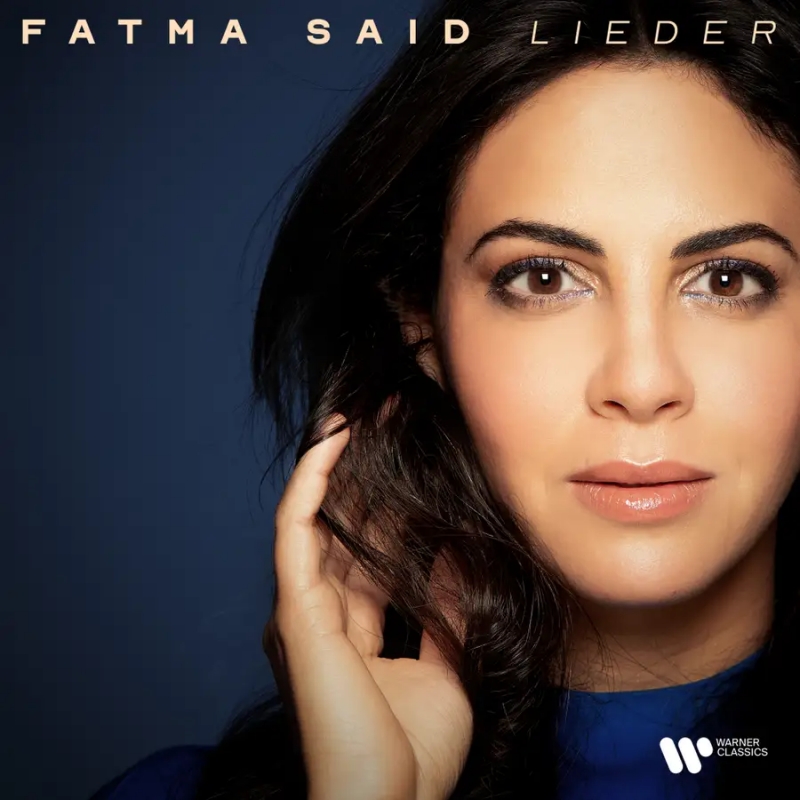
Her third album, Lieder, showcases her unique approach to German art songs, blending traditional and innovative interpretations. The album features diverse instrumentation, including clarinet, harp, string quartet, and choir. While German is her second language, her distinct phrasing and expressive nuance add a personal touch to each piece. Collaborations with clarinetist Sabine Meyer in Der Hirt auf dem Felsen create an intimate dialogue, while her playful duet in Zögernd leise with the Walhalla zum Seidlwirt men’s choir captures youthful charm. Other highlights include a hauntingly ethereal rendition of Meine Gedanken sind wie ein Lied with harp and a lively, dynamic take on Widmung.
Fatma Said’s Lieder album is a testament to her deep understanding and personal interpretation of German art songs. With its rich selection and distinctive vocal artistry, it stands as one of the most compelling German Lieder recordings in recent years. *This English version is a concise summary of the original Chinese article.*
Lieder
Fatma Said (soprano), Malcolm Martineau (piano), Joseph Middleton (piano), Huw Montague Rendall (baritone), Sabine Meyer (clarinet), Anneleen Lenaerts (harp), Quatuor Arod
October & December 2023, Andreaskirche, Berlin-Wannsee
May 2024, St Gabriel's Church, Pimlico, London


發表留言