鋼琴狂才的晚年靈性旅程:安涅斯詮釋李斯特《十字苦路》
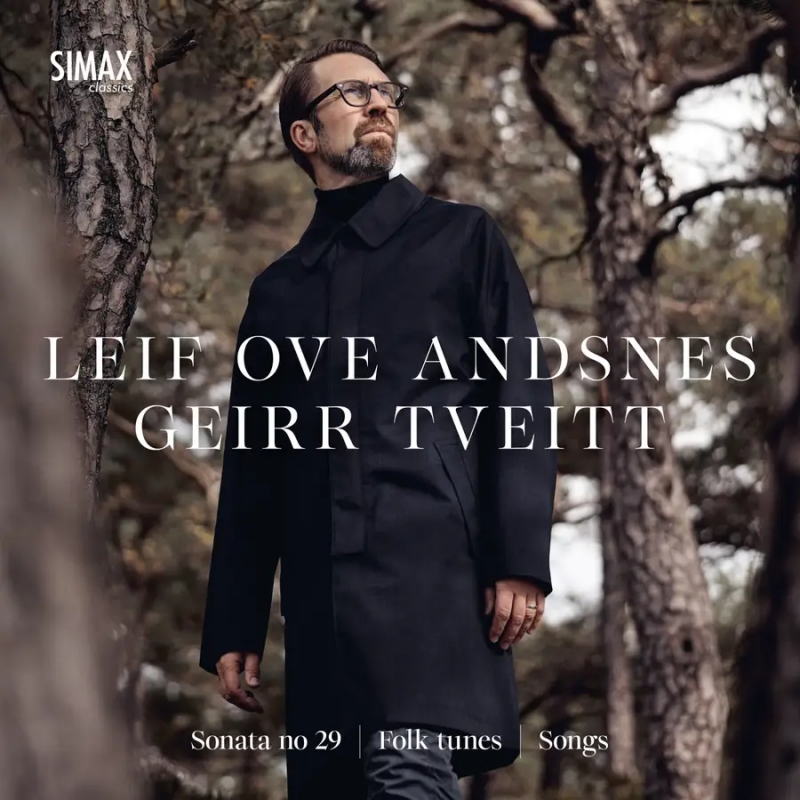
  二○二四年下半年與挪威爵士樂作曲家與薩克斯風手涅賽特(Marius Neset)推出融合爵士與古典元素的現代室內樂專輯《我們是誰》(Who We Are)之後,安涅斯(Leif Ove Andsnes)回到古典領域的李斯特。不過,這張新專輯不是典型印象中的「超技李斯特」,而是以李斯特晚年的宗教作品《十字苦路》(Via Crucis)重心,搭配八首鋼琴獨奏曲。以安涅斯的話來說,「彷彿是一次與李斯特靈魂的相遇──一位與信仰、救贖與人類苦難之奧祕搏鬥的人的靈魂」。

  少年李斯特曾經懷抱成為神職人員的理想,最後因為家人期望他投身音樂而作罷。他果然成為眾人景仰,風靡全歐洲的鋼琴名家。然而,與情人維根斯坦公主(Princess Carolyne von Sayn-Wittgenstein)無法結為連理、至親接連辭世等人生經歷,令李斯特開始嚴肅面對信仰、人生與死亡等命題。在維根斯坦公主的鼓勵下,李斯特逐漸從舞台上的耀眼巨星轉化為靈魂的苦行者,專注於神學、創作宗教音樂與自我反省。一八六五年接受小品聖秩(minor orders)獲得「修士」(Abbé)頭銜後,李斯特經常穿著神職長袍,活躍於羅馬、威瑪、布達佩斯三地無償教學。此時,李斯特的作品從華麗超技轉為內省與注重精神性。《十字苦路》就是這段時期的作品。

  李斯特自一八六六年開始創作《十字苦路》,期間歷經多次修訂,直至一八七九年才完成。作品靈感源自天主教「十字苦路十四端」,描繪耶穌被判死刑、鞭笞後,背負十字架走向加爾瓦略(Calvary),直到被釘在十字架上並安葬的苦難過程。除了融合羅馬天主教禮儀核心的拉丁語單聲部「額我略聖歌」(Gregorian chant),李斯特在《十字苦路》中也引入宗教改革後興起的多聲部德語路德宗合唱聖歌(Lutheran chorales)。此外,作品也參照中世紀神學家與詩人創作的宗教聖詠片段,例如〈聖母痛苦侍立〉(Stabat Mater)與聖韋南修斯‧福爾圖納圖斯(St. Venantius Fortunatus)所作的讚美詩〈君王旌旗前行〉(Vexilla Regis)。

  以第三端「耶穌首次跌倒」(Jesus fällt zum ersten Mal)為例,聽眾可能會對其中接近無調性的前衛和聲感到驚訝。《十字苦路》可說是李斯特以音樂書寫的音樂發展史,從中世紀的單聲聖歌、巴赫所代表的路德宗傳統,一路延伸至本人晚期浪漫主義的聲響實驗,甚至指出二十世紀音樂語言的方向。

  提起《十字苦路》這部作品,一定要提到荷蘭指揮家、鋼琴家與作曲家列烏(Reinbert de Leeuw)。列烏一生致力於推廣李斯特的晚期作品,尤其視《十字苦路》為李斯特最具魅力的關鍵作品,認為它預示了二十世紀音樂的發展。列烏於一九八四年與荷蘭室內合唱團(Netherlands Chamber Choir)錄製《十字苦路》的合唱版本,二○一五年與根特人聲合唱團(Collegium Vocale Gent)重新錄製。一九八四年的版本不僅是早期的重要錄音,也讓這部長期被忽略的作品重見天日。此外,列烏還在二○一二年錄製鋼琴獨奏版本,並在訪談與文章中詳細解釋作品的結構、和聲創新與精神深度,強調李斯特如何透過簡約的音樂語言探索靈性與人類苦難,影響後世如梅湘(Olivier Messiaen)與荀貝格(Arnold Schoenberg)等作曲家。他的詮釋既鋪陳了普世主題,也突出作品的實驗性,使《十字苦路》從宗教音樂轉化為現代音樂的橋樑。

  安涅斯認識《十字苦路》多年,他不僅演奏過鋼琴獨奏版本,還深受列烏的影響與啟發。列烏的見解讓他理解這部晚期作品的和大膽和聲革新,例如如何透過極簡的織體與半音階實驗,超越浪漫主義的框架,指向二十世紀音樂的未來。他把《十字苦路》視為李斯特的內心獨白,一個老人分享孤獨、絕望與順從命運的真實情感。而列烏提出這部作品「兼具浪漫主義的開放性與前衛音樂實驗」的觀點,則鼓勵安涅斯在錄音的時候注重冥想性與靜止感,讓音樂自然展開,避免過度刻意推動節奏。這不僅強化了安涅斯對作品的詮釋深度,也讓他體會到李斯特在創作時的自由與即興精神。

  安涅斯的詮釋以精準的平衡與細膩的觸鍵為特色,他使用一架一九一七年的史坦威鋼琴,在奧斯陸的里斯教堂(Ris Kirke)錄製,營造出溫暖而清晰的音色層次。他不扭曲李斯特的簡約寫作,而是強調鋼琴與合唱的緊密互動,例如在第一端〈耶穌被判死刑〉(Jesus wird zum Tode verdammt)的戲劇張力,或第十端〈耶穌被剝去衣服〉(Jesus wird entkleidet)的淒美情感,讓音樂充滿內省的張力。與挪威獨奏家合唱團(The Norwegian Soloists' Choir)及指揮家佩德森(Grete Pedersen)合作,安涅斯把鋼琴當成敘事核心,突出作品的冥想靜止與和聲衝擊,營造出如凝視聖像般的深度精神體驗。他的動態控制與節奏把握,讓十字苦路的每一端都如獨立的情感畫面,卻又維持整體的靈性統一。

  除了《十字苦路》,安涅斯也錄製六首《慰藉曲》與兩首來自《詩意與宗教的和諧》(Harmonies poétiques et religieuses)的選曲,包括第九首〈哀傷的行板〉(Andante lagrimoso)與第八首〈求主垂憐──致敬帕勒斯提那〉(Miserere, d'après Palestrina)。這些作品扮演橋樑角色,將專輯維持在李斯特的靈性與宗教世界中,提供對比與喘息。《慰藉曲》以溫暖、抒情的主題帶來安慰,彷彿在《十字苦路》的嚴峻冥想後注入寧靜與療癒;後兩首則延續宗教主題,前者以淒美的和聲表達人類精神的脆弱,後者則從聖歌出發,卻爆發出浪漫的熱情,象徵從苦難到狂喜的轉化過程。整體而言,它們不僅平衡專輯的張力,還展現李斯特從中年到晚年的精神演進,讓聽眾過這張專輯,得以感受到一整段完整的李斯特靈性旅程。

After releasing the modern chamber music album "Who We Are" in the second half of 2024 — a collaboration with Norwegian jazz composer and saxophonist Marius Neset that fused elements of jazz and classical music — Leif Ove Andsnes now returns to the classical realm and to the music of Franz Liszt. Yet this new album is not the "typical, flashy Liszt" one might expect. Centered on Liszt's late religious work "Via Crucis", the album is complemented by eight solo piano pieces. In Andsnes' own words, it is "like an encounter with Liszt's soul—a soul grappling with faith, redemption, and the mystery of human suffering."

As a young man, Liszt once dreamed of becoming a priest, a path he eventually abandoned due to his family's expectations that he pursue music. Indeed, he would go on to become a celebrated pianist, admired across Europe. However, after an unfulfilled relationship with Princess Carolyne von Sayn-Wittgenstein and the deaths of several close family members, Liszt began confronting themes of faith, life, and death with renewed seriousness. With Carolyne's encouragement, he gradually transformed from a dazzling public figure into a spiritual ascetic, devoting himself to theology, sacred music, and introspection. In 1865, Liszt received minor orders from the Catholic Church and acquired the title "Abbé". From then on, he often appeared in clerical garb and traveled between Rome, Weimar, and Budapest, offering music instruction without charge. His compositions during this period moved away from technical flamboyance and toward a more introspective, spiritual aesthetic—"Via Crucis" being a prime example.

Liszt began working on "Via Crucis" in 1866 and completed it, after numerous revisions, in 1879. The work draws inspiration from the Catholic tradition of the "Fourteen Stations of the Cross", portraying Jesus' journey from condemnation to crucifixion and burial. Liszt's composition incorporates Latin Gregorian chant—the liturgical chant at the heart of Catholic ritual—as well as Lutheran chorales that emerged after the Protestant Reformation. He also included references to medieval hymns and sacred poems, such as "Stabat Mater" and "Vexilla Regis" by St. Venantius Fortunatus.

Take Station III, "Jesus Falls for the First Time", for example. Listeners might be surprised by its near-atonal harmonic language—a bold gesture for the time. "Via Crucis" can be heard as a musical history in miniature, tracing a lineage from medieval monody to Bach's Lutheran tradition, to the experimental sonorities of Liszt's late Romanticism—pointing forward to the language of 20th-century music.

Any discussion of "Via Crucis" must mention Dutch conductor, pianist, and composer Reinbert de Leeuw. A tireless advocate for Liszt's late works, de Leeuw considered "Via Crucis" one of Liszt's most compelling compositions, believing it anticipated key developments in 20th-century music. In 1984, he recorded the choral version with the Netherlands Chamber Choir, a landmark interpretation that helped bring this long-overlooked work to broader attention. In 2015, he recorded it again with Collegium Vocale Gent, and in 2012, he also recorded the solo piano version. In interviews and writings, de Leeuw analyzed the structure, harmonic innovation, and spiritual intensity of the work in detail. He emphasized how Liszt used minimalist textures to explore transcendence and human suffering—foreshadowing composers like Messiaen and Schoenberg. De Leeuw's interpretations emphasized both the universal themes and the experimental nature of "Via Crucis", casting it not only as a religious composition but also as a bridge to modern music.

Andsnes has been familiar with "Via Crucis" for many years. He has performed the solo piano version and has drawn significant inspiration from de Leeuw's insights. De Leeuw helped him recognize the harmonic audacity of this late work—how Liszt employed sparse textures and chromatic experiments to break free from Romantic conventions and gesture toward the musical future. Andsnes sees "Via Crucis" as a kind of inner monologue from Liszt—an old man sharing emotions of loneliness, despair, and surrender to fate. De Leeuw's observation that the piece "combines the openness of Romanticism with the experiments of avant-garde music" encouraged Andsnes to emphasize meditative stillness and organic pacing in his own recording. This deepened his interpretive approach and helped him appreciate Liszt's spirit of freedom and improvisation.

Andsnes' interpretation is characterized by precise balance and refined touch. He recorded the album in Oslo's neo-Romanesque Ris Church, using a 1917 Steinway piano that produced a warm yet transparent sound. Rather than exaggerate the austerity of Liszt's writing, Andsnes focused on the interplay between piano and choir. In Station I, "Jesus Is Condemned to Die", the drama unfolds with gripping tension; in Station X, "Jesus Is Stripped of His Garments", poignant expressiveness emerges. Collaborating with The Norwegian Soloists' Choir and conductor Grete Pedersen, Andsnes used the piano as the narrative core, highlighting the meditative stillness and harmonic shocks that give "Via Crucis" its icon-like spiritual depth. Through carefully shaped dynamics and rhythm, he ensures each station resonates as a unique emotional image while maintaining the overall spiritual unity.

In addition to "Via Crucis", Andsnes included six "Consolations" and two selections from "Harmonies poétiques et religieuses": No. 9, "Andante lagrimoso", and No. 8, "Miserere, d'après Palestrina". These pieces serve as a bridge, keeping the album within the spiritual and religious realm of Liszt's imagination while offering contrast and respite. The "Consolations", with their lyrical and warm themes, provide comfort—like a soothing balm after the austere meditations of "Via Crucis". The two religious selections continue the sacred theme: "Andante lagrimoso" expresses emotional fragility through bittersweet harmonies, while "Miserere" begins with chant-like simplicity and rises to passionate Romantic intensity—a transformation from suffering to ecstasy. Together, these works not only balance the album's emotional tension but also reflect Liszt's spiritual development from midlife to old age, offering listeners a complete journey through his inner world.
LISZT Via Crucis (The 14 Stations of the Cross), S. 53; Consolations, Six Pensées poétiques, S. 172; Andante lagrimoso (Harmonies poétiques et religieuses, S. 173-9); Miserere, d'après Palestrina (Harmonies poétiques et religieuses, S. 173-8)
Leif Ove Andsnes (piano), Olle Holmgren (baritone), Ditte Marie Bræin (soprano), Magnhild Korsvik (soprano), Øystein Stensheim (tenor), Mari Askvik (mezzo-soprano)
The Norwegian Soloists' Choir, Grete Pedersen
August, 2024, Oslo, Ris Kirke




發表留言