
百年遺憾的重生:田志仁《杜蘭朵》的當代轉譯
一九二六年,普契尼的歌劇《杜蘭朵》在米蘭史卡拉歌劇院首演;整整一百年後,冬季奧運聖火在米蘭點燃,這部歌劇竟然以另一種形式重返發源地。日本花式滑冰名將鍵山優真在男子長曲項目中,選擇使用華裔美籍作曲家田志仁(Christopher Tin)為《杜蘭朵》譜寫的全新結尾作為配樂(影片是冬奧後一個月的世界花式滑冰錦標賽賽況)。這不僅是一次體育與藝術的跨界,更是一場橫跨世紀的時空對話。而這一切的起點,可追溯至華盛頓國家歌劇院在二〇二四年發起的委託創作:重新思考《杜蘭朵》的結局,並探尋能否以另一種方式完成。
長久以來,《杜蘭朵》一直被看作歌劇史上最令人遺憾的傑作之一。普契尼在寫完第三幕侍女柳兒自盡的段落後撒手人寰,這部作品也成了未竟之作,後來才由家人委託作曲家阿法諾(Franco Alfano)補寫結局。然而,華盛頓國家歌劇院藝術總監弗蘭西斯卡・贊貝羅(Francesca Zambello)對此一版本深感不滿。因為在這個版本的結尾敘事中,冰冷殘酷的公主竟然僅因王子卡拉夫一記未經同意的強吻,便瞬間卸下心防墜入愛河。這樣的轉折不僅突兀,甚至從現代觀點來看,帶有強制與冒犯的意味。
卸下東方主義的外衣
身為歌劇導演,贊貝羅認為問題不只在於劇戲邏輯斷裂,還有《杜蘭朵》長期以來被包裹的「東方主義」外衣。她直白地形容,過去本劇的演出,視覺呈現往往像是一間「糟糕的中國餐廳」,堆砌著表面且虛假的異國符號。這種廉價的異國情調不僅淪為文化的陳腔濫調,更扭曲故事本質。因此,她希望新的演出版本不只是重寫結局,更要藉此重新思考《杜蘭朵》究竟該如何呈現中國、權力與女性形象。
由於里科迪音樂出版社(Casa Ricordi)對《杜蘭朵》樂譜握有高度主導權,各劇院若想挑戰演出官方授權之外的版本,往往會面臨版權與實務操作上的阻礙。直到二〇二四年,適逢普契尼逝世百週年以及阿法諾逝世七十年,《杜蘭朵》終於得以進入公有版權領域,不再受原有版權框架的嚴格限制。華盛頓國家歌劇院因此決定委託田志仁與編劇史坦頓(Susan Soon He Stanton)改寫這部未完的殘篇,甚至從根本上重塑劇中的人物關係。
從電玩走進歌劇殿堂
有趣的是,田志仁之所以獲邀,竟與電玩配樂有關。贊貝羅某天在家中聽見兒子房裡傳出彷彿歌劇般的雄渾音樂,原以為他終於開始親近古典樂,沒想到那其實是電玩《文明帝國VI》的主題曲〈飛翔之夢〉(Sogno di Volare)。這段機緣讓她注意到田志仁,幾天後便主動致函討論創作歌劇的可能性。
田志仁早年深耕影視配樂,二〇〇五年跨足電子遊戲領域,憑藉《文明帝國IV》主題曲〈我們的天父〉(Baba Yetu)聲名大噪。二〇一一年,他更以專輯《呼喚黎明》(Calling All Dawns)摘下葛萊美獎「最佳古典跨界專輯」。這種遊走於影視、遊戲與古典音樂之間的背景,使他對旋律張力與敘事推進極其敏銳,成為改寫《杜蘭朵》結尾的一個看似意外、實則合適的人選。
音樂語彙的當代轉譯
接下任務後,田志仁並未把自己視為單純的「補筆者」,而是試圖從普契尼遺留的草稿中,探尋作品原本可能的走向。他在研究手稿的時候,發現普契尼曾寫下神秘註記「Poi Tristano」(意為「然後是崔斯坦」)。田志仁同意學者的解讀,認為這暗示普契尼原本企圖寫出一段如華格納《崔斯坦與伊索德》般,具有壓倒性情感力量的二重唱。
原劇中有一段象徵處決與暴力的「斧頭動機」,田志仁翻轉這段陰暗且充滿死亡氣息的旋律,將其改為明亮的大調,在杜蘭朵主動親吻卡拉夫時,升華為如同〈伊索德的愛之死〉的愛情主題。田志仁更利用「倒影」技法,將第一幕描述國家混亂的「下行」旋律主題改為「上行」主題來發展。聽覺層次隨之從沉淪轉為攀升,精巧呼應了杜蘭朵內心的昇華。此外,他也重新定義〈公主徹夜未眠〉(Nessun dorma)在劇中的指標意義。在新版結局中,此動機不再象徵征服者的勝利宣言,而是卡拉夫主動交出真名時的奉獻與信任。田志仁選擇延伸普契尼原有的音樂語彙而非生硬模仿,使結尾擁有了先前版本所未有的流暢度與感染力。有視譜能力的愛樂者,不妨到田志仁的YouTube頻道觀看他仔細解說的內容。
當代觀點下的角色重塑
只是相較於音樂上的表現,我對編劇史坦頓在部分劇本修訂上的處理,則保留些許意見。史坦頓把杜蘭朵的冷酷歸因為曾遭性暴力的創傷防衛機制,並取消卡拉夫強行索吻的橋段,讓公主最後因為自我思考與了悟後解除心防,並主動親吻卡拉夫,我認為這兩點頗具當代合理性。
然而,部分劇情過度校正就顯得太刻意。例如將有種族歧視之嫌的「平、龐、彭」(Ping, Pang, Pong)更名為功能性職稱:大臣(Chancellor)、管家(Major-Domo)與主廚(Head Chef)。結尾劇情的變動也顯得唐突而且劇烈:老皇帝突然駕崩,杜蘭朵隨即登基女王,並以宣示性的姿態開啟「慈悲之治」。這些改動固然符合當代潮流的「政治正確」,卻也讓結尾平添幾分觀念先行、情感失真的尷尬。至於安排柳兒與老皇帝合葬,既不符常理又矯情,反倒令人物張力顯得失衡,削弱了柳兒原有的悲劇厚度。
超越遺憾:在當代視野中持續生長
田志仁曾經說,與華盛頓國家歌劇院合作改寫《杜蘭朵》,是他創作生涯中最重要的經驗之一。這段新結尾也沒有停留在劇院舞台裡,而是在鍵山優真的冬奧演出中,被更多人聽見。從歌劇院到冰場,它不只延續了普契尼未竟的作品,也讓這部百年名作重新進入當代觀眾的視野。
或許,田志仁版本最重要的意義,不在於它是否能完全取代阿法諾,而是在於它證明了《杜蘭朵》仍然可以被重新理解、重新演出,也重新與今天的觀眾產生連結。當鍵山優真在米蘭冰場上完成最後一次旋轉時,響起的已不只是未完成的遺憾,而是一個經過百年之後,仍然持續生長的故事。(2026年4月7日)
In 1926, Puccini’s opera Turandot premiered at La Scala in Milan; exactly a century later, as the Winter Olympic torch is lit in Milan, the opera makes a return to its birthplace in a different guise. The renowned Japanese figure skater Yuma Kagiyama chose the new ending of Turandot, composed by the Chinese-American composer Christopher Tin, as the soundtrack for his men’s free skate programme. This is not merely a crossover between sport and art, but a dialogue across time and space that spans a century. The genesis of all this can be traced back to a 2024 commission by the Washington National Opera (WNO): to rethink the ending of Turandot and explore whether it could be concluded in another way.
For a long time, Turandot has been regarded as one of the most regrettable masterpieces in operatic history. Puccini passed away after completing the third act up to the suicide of the servant girl Liù, leaving the work unfinished, and it was only later that his family commissioned the composer Franco Alfano to write the ending. However, Francesca Zambello, the artistic director of the Washington National Opera, was deeply dissatisfied with this version. In this ending’s narrative, the cold and cruel princess suddenly lets down her guard and falls in love simply because of an uninvited, forced kiss from Prince Calaf. Such a transition is not only abrupt but, from a modern perspective, carries undertones of coercion and offence.
Tearing off the cloak of Orientalism
As an opera director, Zambello believed the problem lay not only in the fractured dramatic logic, but also in the ‘Orientalist’ cloak that has long wrapped Turandot. She bluntly described past visual presentations of the opera as often resembling “a bad Chinese restaurant", piled high with superficial and false exotic symbols. Such cheap exoticism not only descends into cultural clichés but distorts the essence of the story. Therefore, she hoped the new production would not merely rewrite the ending, but would use the opportunity to rethink how Turandot should present China, power, and the female image.
Because the music publisher Casa Ricordi held strict control over the Turandot score, opera houses attempting to stage anything other than the officially authorised version often faced copyright and practical obstacles. It was not until 2024, marking the centenary of Puccini’s death and the seventieth anniversary of Alfano’s passing, that Turandot finally entered the public domain, free from the strict constraints of the original copyright framework. The Washington National Opera thus decided to commission Christopher Tin and playwright Susan Soon He Stanton to rewrite this unfinished fragment, and even fundamentally reshape the character relationships within the drama.
From video games to the opera house
Interestingly, Tin’s invitation to the project was linked to video game music. One day at home, Zambello heard majestic, opera-like music coming from her son’s bedroom. She initially thought he had finally started taking an interest in classical music, only to discover that it was actually “Sogno di Volare" (The Dream of Flight), the theme song for the video game Civilization VI. This serendipitous moment brought Tin to her attention, and a few days later, she proactively wrote to him to discuss the possibility of composing for an opera.
Tin had cultivated his craft in film and television scoring in his early years, and ventured into the video game sphere in 2005, making a name for himself with “Baba Yetu", the theme for Civilization IV. In 2011, he won the Grammy Award for ‘Best Classical Crossover Album’ with his album Calling All Dawns. This background, traversing film, television, gaming, and classical music, gave him an acute sensitivity to melodic tension and narrative momentum, making him a seemingly unexpected but actually ideal candidate to rewrite the ending of Turandot.
A contemporary translation of musical vocabulary
Upon accepting the task, Tin did not view himself as a mere ‘completer’. Instead, he sought to explore the original possible direction of the work from Puccini’s surviving sketches. While studying the manuscripts, he discovered that Puccini had written a mysterious annotation: “Poi Tristano" (Italian for “Then Tristan"). Tin agreed with scholars’ interpretations, believing this suggested Puccini originally intended to write a duet with overwhelming emotional power, akin to Wagner’s Tristan und Isolde.
In the original opera, there is an “Axe motif" that symbolises execution and violence; Tin inverted this dark and deathly melody, changing it to a bright major key, which, when Turandot takes the initiative to kiss Calaf, is elevated into a love theme resembling Isolde’s Liebestod. Tin also employed the technique of ‘inversion’, taking the ‘descending’ melodic theme that describes the chaos of the state in the first act and developing it into an ‘ascending’ theme. The auditory layer consequently shifts from sinking to soaring, intricately echoing the spiritual elevation within Turandot. Furthermore, he redefined the symbolic significance of “Nessun dorma" within the drama. In the new ending, this motif no longer represents the conqueror’s declaration of victory, but rather Calaf’s devotion and trust when he voluntarily surrenders his true name. Tin chose to extend Puccini’s original musical vocabulary rather than stiffly imitating it, giving the finale a fluency and emotional resonance unseen in previous versions. For music lovers who can read scores, it is well worth visiting Tin’s YouTube channel to watch his detailed explanations.
Reshaping characters from a contemporary perspective
However, compared to the musical achievements, the author of this piece harbours some reservations regarding playwright Stanton’s handling of certain script revisions. Stanton attributes Turandot’s coldness to a trauma defence mechanism resulting from sexual violence, and removes the scene where Calaf forces a kiss; instead, the princess ultimately lets down her guard after self-reflection and realisation, and takes the initiative to kiss Calaf. I believe these two points possess considerable contemporary rationality.
Nevertheless, some of the narrative over-corrections appear too contrived. For instance, renaming “Ping, Pang, Pong"—names suspected of carrying racial discrimination—to functional titles: Chancellor, Major-Domo, and Head Chef. The alterations to the ending’s plot also seem abrupt and drastic: the old Emperor dies suddenly, Turandot immediately ascends the throne as Empress, and opens a merciful reign with a declarative posture. Whilst these changes align with the ‘political correctness’ of current trends, they also add a sense of awkwardness to the ending, making it feel concept-driven and emotionally distorted. As for arranging Liù to be buried with the old Emperor, it is both illogical and affected; rather than enhancing the drama, it disrupts the character tension and weakens the tragic depth originally held by Liù.
Beyond regret: continuing to grow in a contemporary vision
Tin once remarked that collaborating with the Washington National Opera to rewrite Turandot was one of the most important experiences of his creative career. This new ending did not remain confined to the theatre stage; it was heard by many more people during Yuma Kagiyama’s Winter Olympic performance. From the opera house to the ice rink, it not only prolongs Puccini’s unfinished work but also brings this century-old masterpiece back into the vision of contemporary audiences.
Perhaps the most significant meaning of Tin’s version lies not in whether it can entirely replace Alfano’s, but in proving that Turandot can still be reinterpreted, re-performed, and re-connected with audiences today. When Yuma Kagiyama completes his final spin on the ice in Milan, what resonates is no longer just the regret of an unfinished piece, but a story that, after a century, continues to grow. (7 April, 2026)
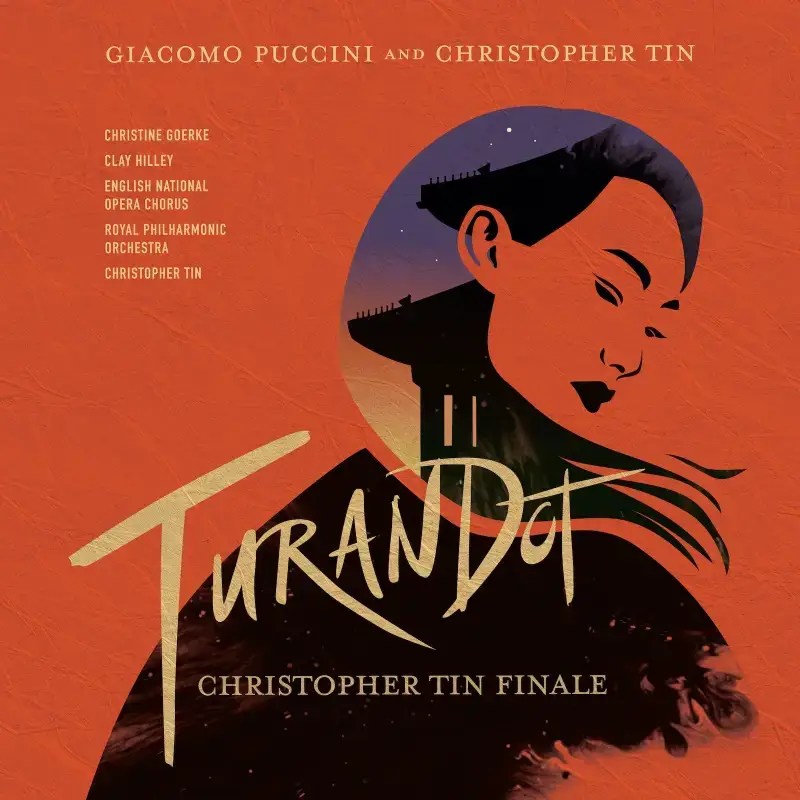
Turandot: Christopher Tin Finale
Christine Goerke (Soprano), Clay Hilley (Tenor), Ethan Vincent (Baritone), Jonathan Pierce Rhodes(Tenor), Nicholas Huff(Tenor), Christopher Tin and Royal Philharmonic Orchestra, English National Opera Chorus
2024


發表留言