巴赫、舒伯特、貝多芬,都是維京古爾的音符
聽過這場音樂會,我認為維京古爾(Víkingur Ólafsson)幾乎可以被稱為是作曲家!

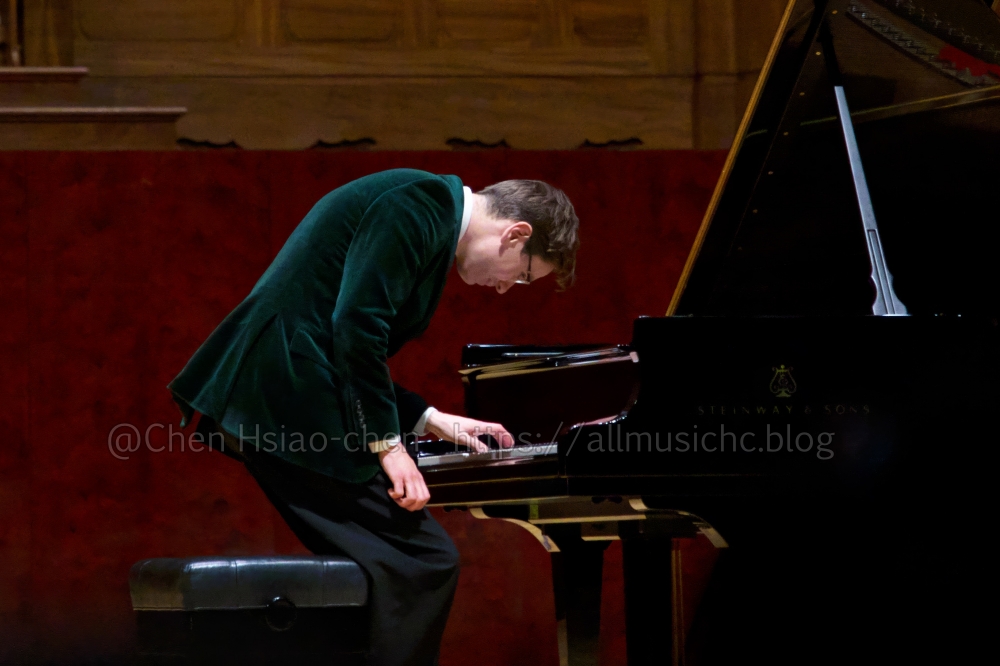
他把巴赫、舒伯特與貝多芬的作品串聯起來,組成一首長達八十分鐘的大曲子。音符沒有改變,但原本各自獨立的作品,放進他安排的順序裡,卻有了新的角色。某種程度上,巴赫不再只是巴赫,舒伯特也不再只是舒伯特,貝多芬當然也不只是貝多芬。他們的音樂都成了維京古爾這首「大曲子」的一部分。

熟悉這些作品的人,或許會覺得奇怪:巴赫怎麼可以這樣彈?貝多芬怎麼會是這個樣子?但我覺得很有趣。原本熟悉的曲子,因為前後作品的關係改變了,聽起來也有不同的味道,讓我發現它們原來還有另外一面。

這讓我想起幾年前水藍指揮的一場音樂會。他把巴伯《弦樂慢板》、艾爾加《謎之變奏曲》的〈寧錄〉,以及柴科夫斯基《一八一二》序曲接連演出,中間幾乎沒有停頓。光看曲目,三首作品放在一起似乎有點奇怪,但實際聽起來竟然一氣呵成,彷彿原本就是一首曲子。今天維京古爾的演出,也讓我有類似的感受。

我沒有維京古爾的聯覺(synesthesia)經驗,但聽完這套曲目,卻想到「物以類聚」四個字。巴赫、舒伯特和貝多芬生活在不同時代,音樂性格也不盡相同,但維京古爾似乎聽見了它們之間某種相近的氣質,於是把這些曲子放在一起,讓它們互相呼應。明明都是熟悉的作品,經過這樣的組合,卻像聽到一首全新的曲子。

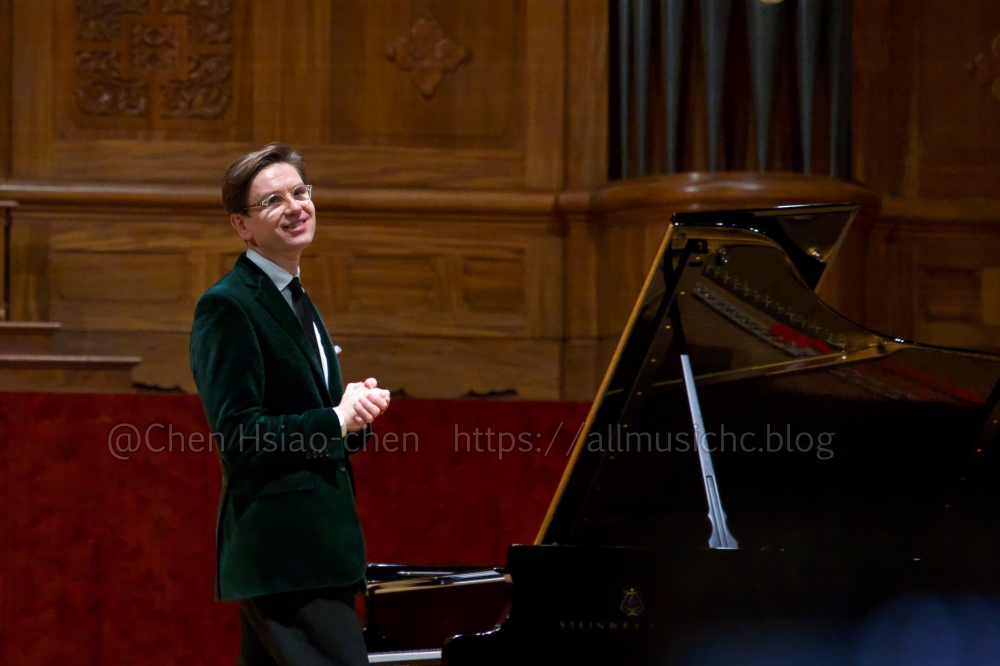
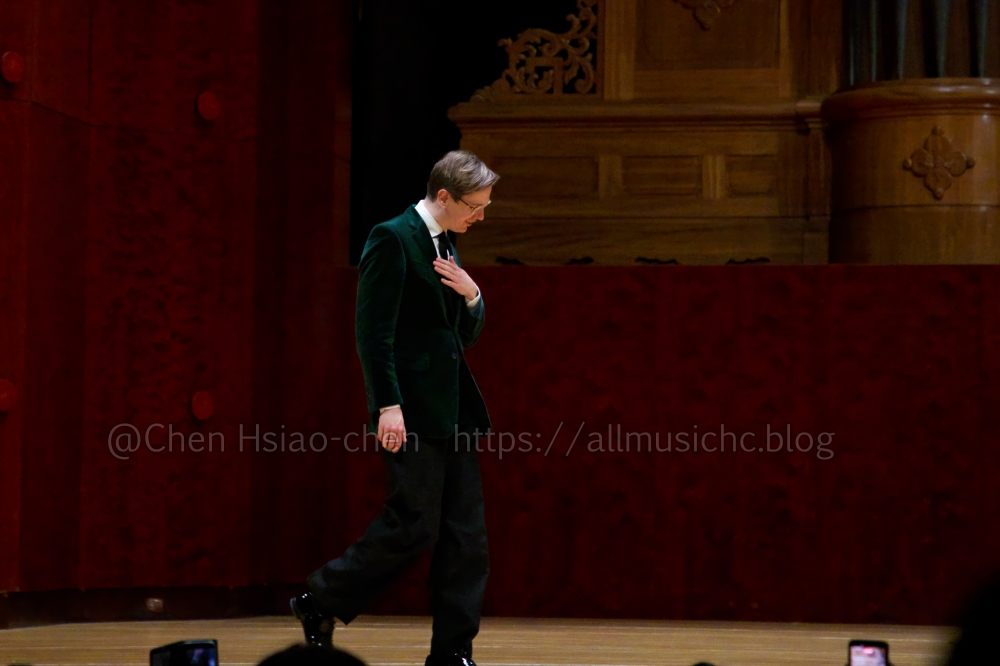
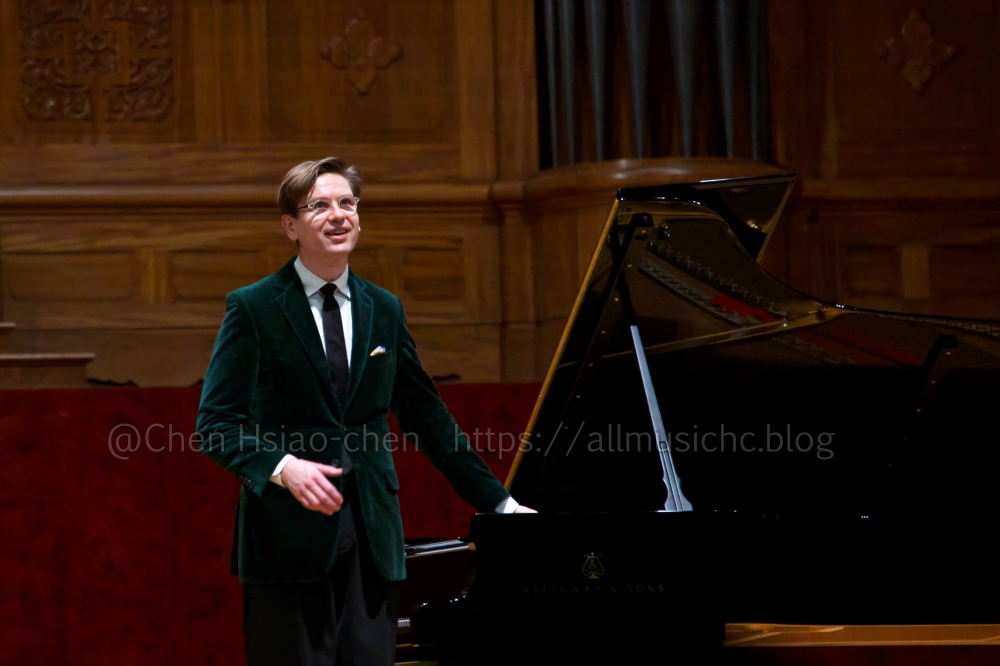
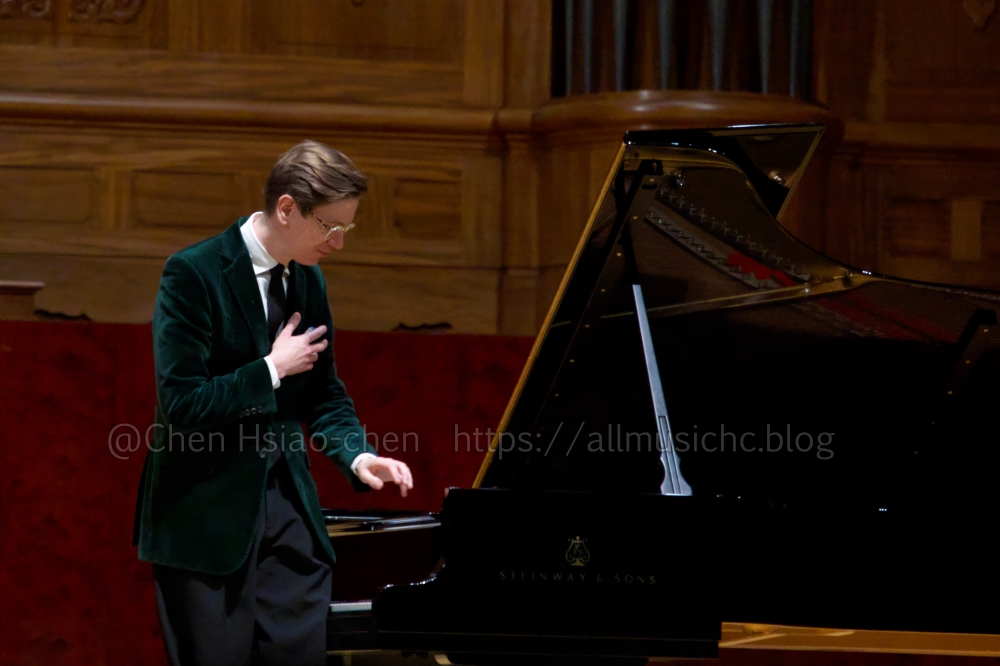
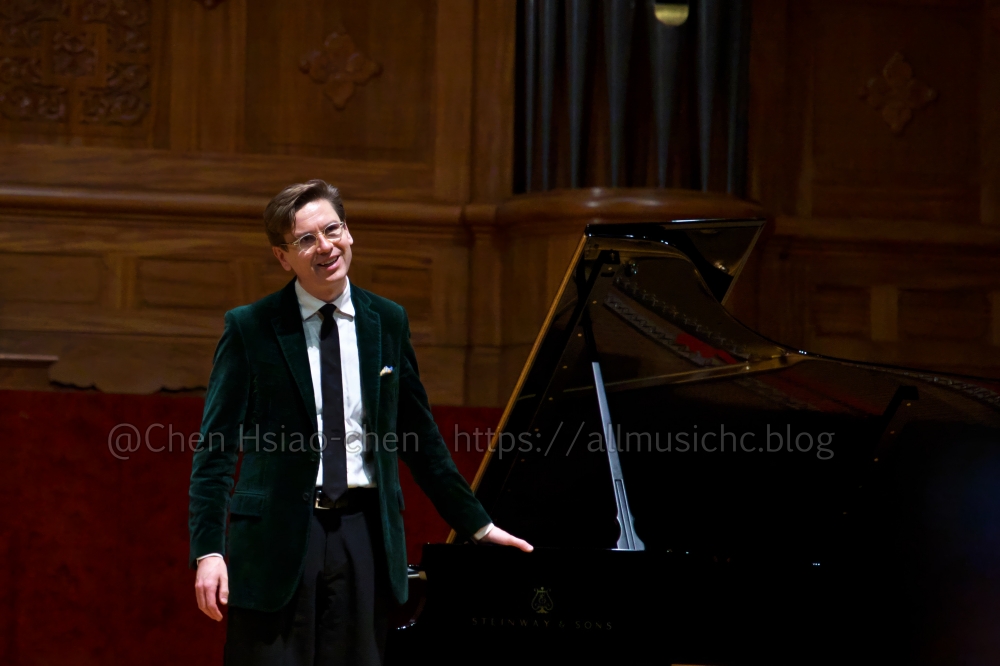
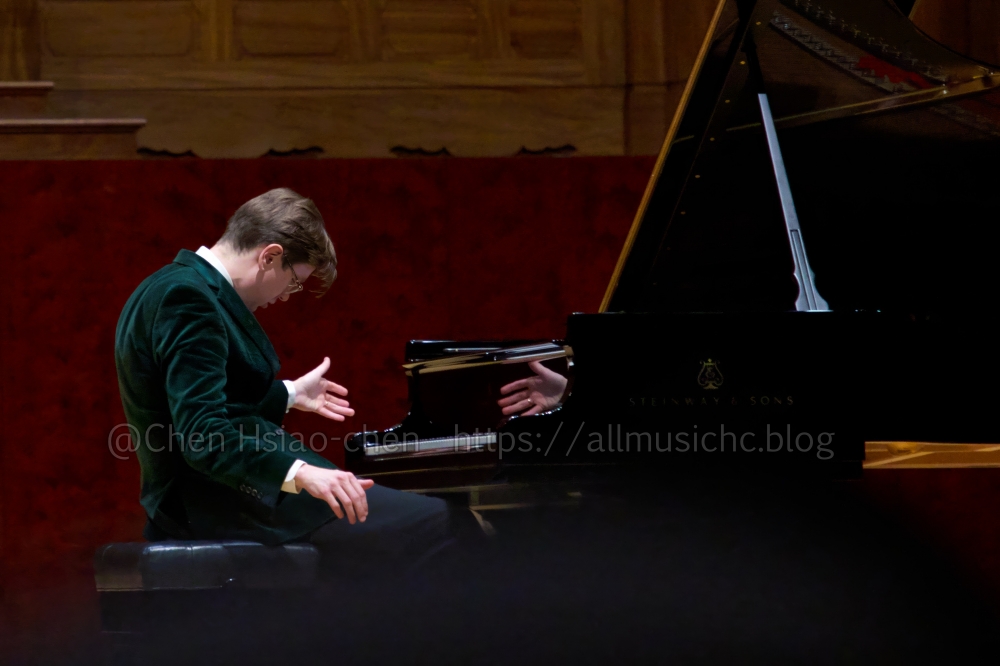
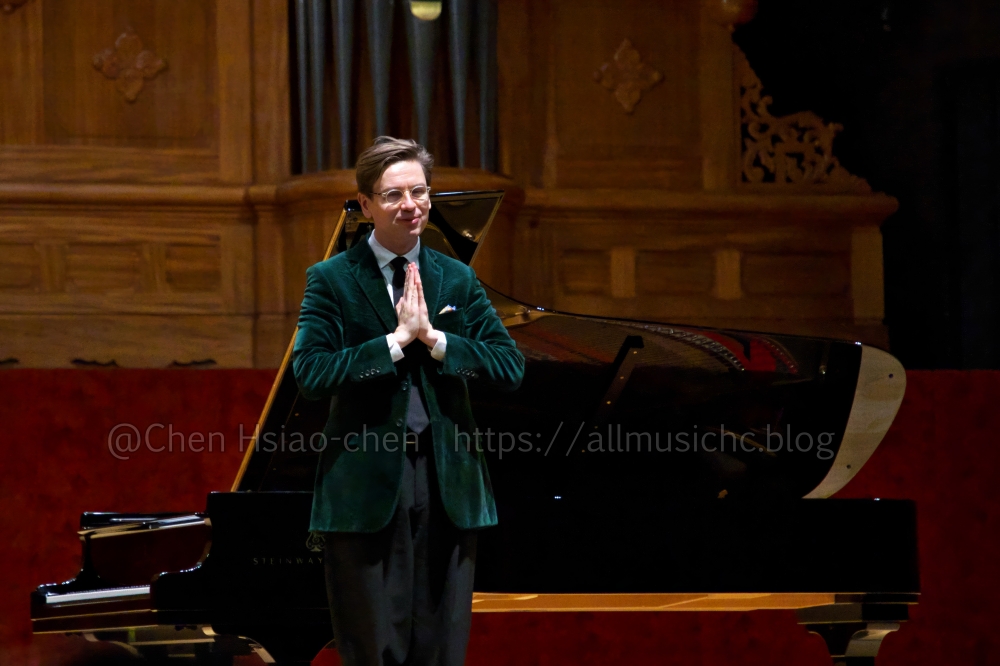
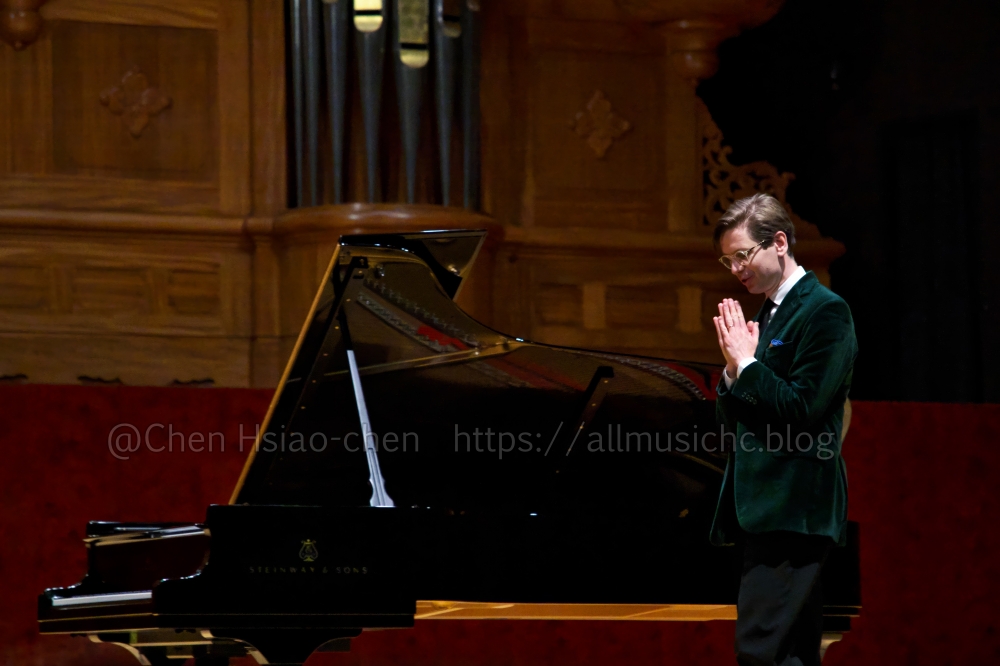
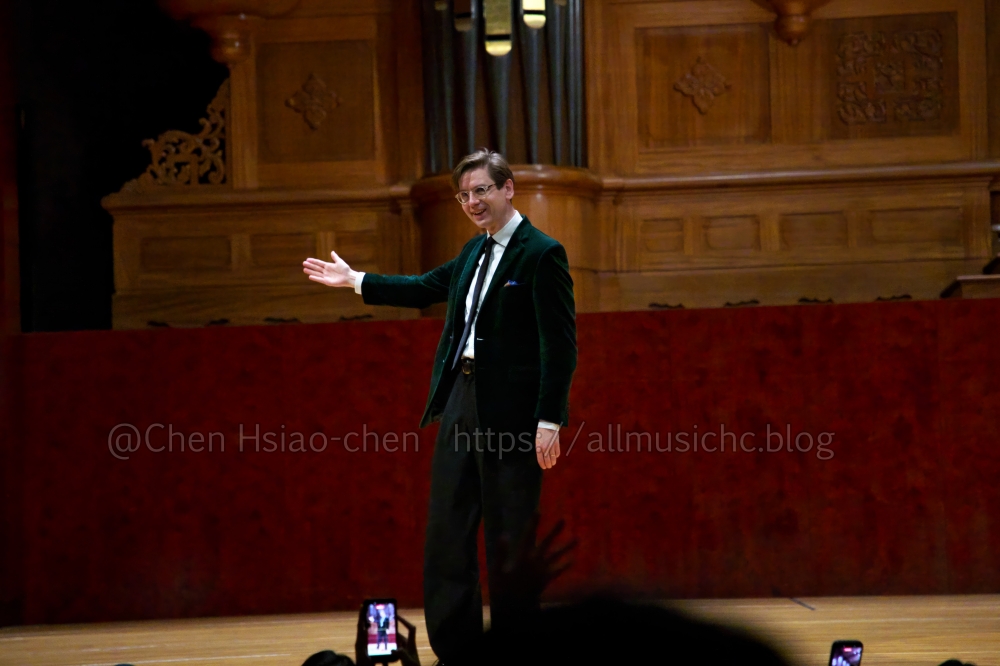
順帶一提,這套曲目都圍繞著E大調與E小調,而有聯覺經驗的維京古爾,覺得E調是綠色的。難怪這次獨奏會,他也穿上了一件綠色外套,連服裝都和曲目相呼應。

2026年11月3日
台北國家音樂廳
巴赫:E大調第九號前奏曲(十二平均律第一冊),BWV 854
貝多芬:E小調第二十七號鋼琴奏鳴曲,作品90
巴赫:E小調第六號為鍵盤樂器而寫的組曲,BWV 830
舒伯特:E小調第六號鋼琴奏鳴曲,D. 566
貝多芬:E大調第三十號鋼琴奏鳴曲,作品109
維京古爾,鋼琴

Víkingur Ólafsson is a composer in his own right!

He links works by Bach, Schubert and Beethoven together to form a single, 80-minute grand composition. The notes themselves remain unchanged, yet these formerly distinct works assume entirely new roles within the sequence he has crafted. In a sense, Bach is no longer merely Bach, Schubert no longer just Schubert, and Beethoven certainly not just Beethoven. Their music has all become part of Ólafsson’s overarching "grand piece".

Those familiar with these works might find it perplexing at first: How can Bach be played like this? How can Beethoven sound like that? Yet I found it fascinating. Pieces once so familiar acquire a distinct new flavour through their juxtaposition with what precedes and follows them, revealing a side to their character I had never noticed before.

This reminded me of a concert conducted by Lan Shui a few years ago. He performed Barber’s Adagio for Strings, 'Nimrod' from Elgar’s Enigma Variations, and Tchaikovsky’s 1812 Overture back-to-back, with virtually no pause between them. On paper, placing these three pieces together might have seemed odd, yet in performance they flowed as a single, seamless arc—as though they had been conceived as one continuous work. Ólafsson’s performance today gave me a very similar sensation.

While I do not experience synaesthesia as Ólafsson does, listening to this programme brought to mind the adage of "birds of a feather"—a natural affinity. Although Bach, Schubert and Beethoven lived in different eras and possessed distinct musical temperaments, Ólafsson seems to have discerned a shared spirit among them, bringing these pieces together so that they echo and illuminate one another. Though every piece was deeply familiar, this unique constellation made it feel as if one were hearing an entirely new composition.

Incidentally, the entire programme revolves around E major and E minor, and Ólafsson, through his synaesthesia, perceives the pitch of E as green. Unsurprisingly, he wore a green jacket for this recital, ensuring that even his attire was attuned to the music.

3 November 2026
National Concert Hall, Taipei
BACH The Well-Tempered Clavier Book 1 - Prelude No. 9 in E major, BWV 854
BEETHOVEN Piano Sonata No. 27 in E minor, op. 90
BACH Partita for keyboard No. 6 in E minor, BWV 830SCHUBERT Piano Sonata No. 6 in E minor, D. 566
BEETHOVEN Piano Sonata No. 30 in E major, op. 109
Víkingur Ólafsson (piano)



發表留言