《杜蘭朵》的未竟之路:百年來的斷裂、修補與當代再生
  一九二六年四月二十五日,普契尼遺作《杜蘭朵》在米蘭史卡拉歌劇院首演。當晚的演出從一開始便帶著近乎儀式性的莊嚴感。當劇情推進到第三幕,侍女柳兒自盡後的送葬樂段告一段落時,指揮家托斯卡尼尼(Arturo Toscanini)緩緩放下指揮棒。他轉過身,對著全場觀眾宣告:「歌劇在此結束,因為大師寫到這裡時去世了。」(Qui finisce l'opera, perché a questo point il Maestro è morto.)。這個歷史性的瞬間,不僅是對普契尼最深的致敬,也為這部作品留下一道長達百年的戲劇與音樂難題。

戲劇斷層:合理性疑慮

  事實上,普契尼在逝世前留下共三十六頁的音樂殘稿,記載最後二重唱與終場場景的構思。當時,出版社與家屬委託作曲家阿法諾(Franco Alfano)完成結尾。然而,今日在多數歌劇院聽到的「標準版」結尾,其實是經過托斯卡尼尼嚴苛審查與大刀闊斧刪減後的產物。基於對普契尼遺作純粹性的強烈保護,托斯卡尼尼從阿法諾的總譜中刪去約一百零九個小節。此後,這個被稱為「阿法諾第二版」的縮減版本,便成為流傳最廣的定本。

  問題在於,托斯卡尼尼主導的刪修雖然確立後世的通行版本,卻也壓縮杜蘭朵由冷酷防衛轉向情感鬆動的心理鋪陳。原本應有的層次、緩衝與過渡被大幅削弱,讓她被卡拉夫強吻後迅速改變態度,劇情轉折顯得格外突兀,讓許多觀眾對公主情感急遽轉變的理由感到困惑。這種因刪減而產生的「合理性鴻溝」(credibility gap),成為百年來各種續寫與修補版本的出發點

郝維亞版:文化野心

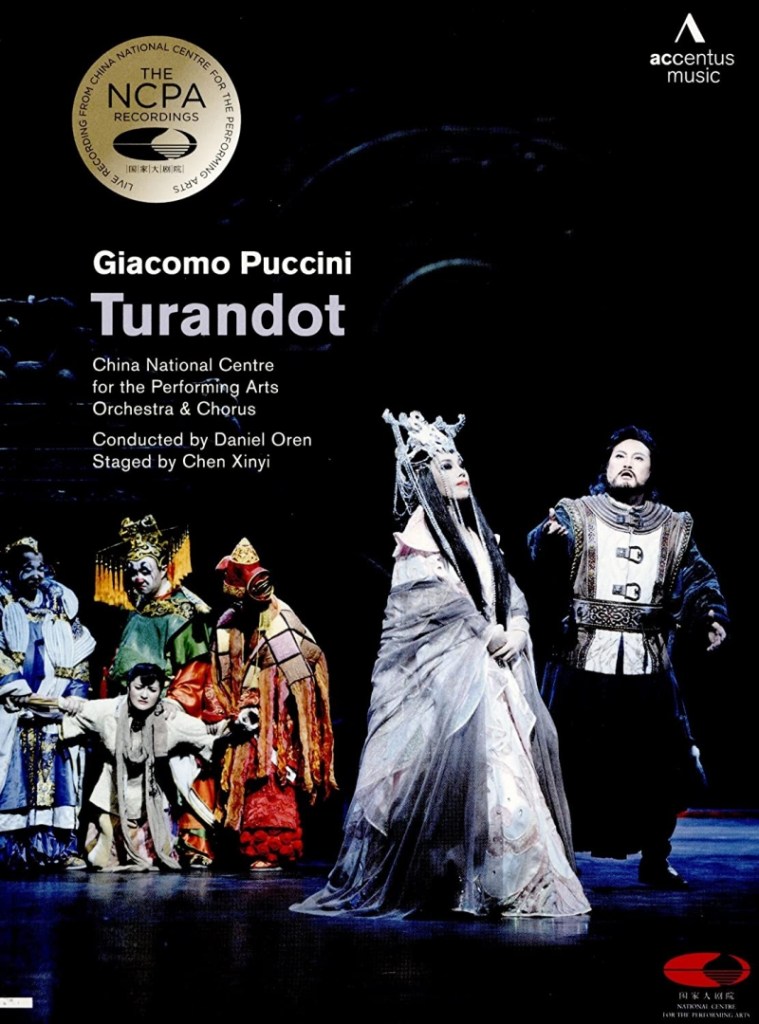
  在探索情感斷層的過程中,二〇〇八年北京國家大劇院委託作曲家郝維亞譜寫的終曲,無疑是一次具備高度文化野心的嘗試。郝維亞版最關鍵的改動,在於他試圖把杜蘭朵的轉變重心從「愛情征服」轉向「愧疚、覺醒與自我鬆動」。他採納普契尼草稿中的神祕標題〈第一滴眼淚〉(Del primo pianto),但是並非沿用殘稿旋律,而是原創一首長達數分鐘的同名詠嘆調。在這段音樂中,杜蘭朵不再僅是權力符號,而是一個因見證柳兒犧牲而產生愧疚、進而自我覺醒的女人。這滴淚,既指向初萌的愛情,也象徵她對過往冰冷自我的告別。

  這段歌詞描繪著「我看著那個卑微的女孩為了你死去,她的眼神裡竟然沒有恨,只有光⋯⋯你的吻帶走了我的冰霜,卻留下了無盡的顫抖。」雖然是以義大利語演唱,卻流露出一種心理高牆倒塌後的內省。這樣的鋪陳雖然多了精緻的內涵和邏輯性,然而當音樂由普契尼原作轉入郝維亞的續寫時,整體語彙與戲劇節奏的銜接仍顯得不夠自然;其音樂語言有時更接近理查.史特勞斯式的晚期浪漫與影視配樂式的抒情。再加上導演陳薪伊繁複而強烈的舞台視覺調度,這個版本雖然具有鮮明的文化姿態,卻未能穩定發展為國際劇場的主流選項。

貝里歐版:正視斷裂

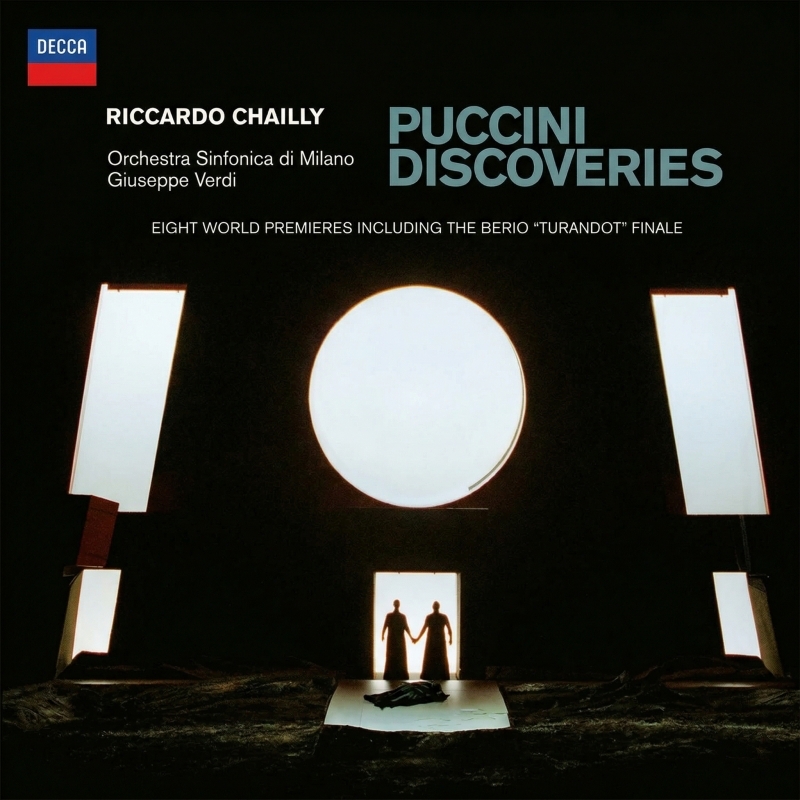
  如果說郝維亞試圖透過情感補寫來柔化杜蘭朵,那麼義大利現代派作曲家貝里歐(Luciano Berio)則反其道而行,選擇正視這部作品本身的裂痕與未完成性。這是一次具有里程碑意義的行動:二〇〇一年,長期握有普契尼作品版權的里科迪音樂出版社(Casa Ricordi),有感於阿法諾版在戲劇上的缺陷,決定打破長年的版本壟斷,正式委託貝里歐譜寫全新結局。這不僅是一次藝術上的大膽實驗,更是版權持有方首度承認《杜蘭朵》需要更現代、更具心理深度的解讀。

  貝里歐拒絕十九世紀傳統的大團圓公式,他認為在柳兒無辜犧牲、無數求婚者喪命的血腥背景下,強行接上一個英雄式的凱旋結局,在現代人的道德邏輯上是難以成立的。貝里歐版本中最關鍵的處理,是在兩人親吻後加入一段長達五十多小節的管弦樂間奏曲,透過縹緲、冷峻的管弦色彩,為公主冰冷外殼的碎裂提供必要的心理緩衝。這種處理方式也呼應了普契尼晚年對史特拉溫斯基、德布西式現代美學的關注,使《杜蘭朵》的結尾不再只是回返十九世紀,而是往未來投射的,被放入二十世紀現代音樂的感知框架中。

  更具顛覆性的是,貝里歐大膽刪除最終群眾呼應〈公主徹夜未眠〉那種勝利狂喜的大合唱,結尾更不見輝煌嘹亮的號角聲,而是在一個安靜、輕盈且懸浮的樂團和聲中緩緩消散。對於支持者而言,這種「懸而未決的幸福」是對普契尼悲劇性中斷最中肯的回應;但是在追求傳統浪漫震撼的觀眾眼裡,這卻是一種刻意壓抑的「反高潮」。貝里歐的語彙雖被部分觀眾批評過於冷峻,甚至偏離義大利歌劇一貫的情感感染力,但是里科迪音樂出版社的這次委託,無疑開啟後世重新詮釋這部殘篇的合法空間。

音樂證據:重返手稿

  然而,經歷這些風格各異的續寫嘗試後,近年的學界與樂界開始反過來追問:普契尼本人究竟想把《杜蘭朵》寫成什麼樣子?於是,研究焦點重新回到他留下的原始手稿。波士頓大學學者黛博拉.伯頓(Deborah Burton)提出一套「法醫音樂學」(Forensic Musicology)的研究方法。她嚴密檢視那三十六頁殘稿,並找證據來試圖解答普契尼在草稿中註記的「然後是崔斯坦」(Poi Tristano)字眼。這一註記至少顯示,普契尼當時很可能曾設想以近似華格納《崔斯坦與伊索德》式的心理昇華,來處理最後的情感轉折。

  這項學術視角,也為當年在歷史條件下被大幅壓縮的阿法諾構想,帶來了重新評價的契機。要理解這場評價的翻轉過程,必須釐清「阿法諾第一版」與「阿法諾第二版」的差異。為了填補情感轉變,阿法諾最初寫下一段篇幅長、管弦樂結構也更飽滿的過渡音樂;然而托斯卡尼尼與出版商為了追求盡可能貼近普契尼的「純粹」,硬要求阿法諾捨棄這些個人發揮。這個大幅刪減後的「阿法諾第二版」雖然成為後來流傳的標準版,卻也強化了劇情上「一吻轉向」的突兀感。

  二〇二三年,指揮家帕帕諾(Antonio Pappano)帶領羅馬聖塞西利亞音樂院管弦樂團發行錄音時,做了一個極具膽識的決定:他選擇錄製當年那份完整、未經刪剪的「阿法諾第一版」。帕帕諾認為,阿法諾最初的設計其實十分敏銳,捕捉到角色「心理淨化」的過程。這套錄音不僅補強了公主情感轉變的說服力,也使人重新意識到:阿法諾原始的構想,或許比人們過去的想像更接近普契尼希望達成的戲劇邏輯。

世紀修補:當代重構與跨代再生

  到了二〇二四年,《杜蘭朵》的修補又出現一種更精準、也更克制的實踐方式。具備法學博士與作曲家雙重背景的Derrick Wang,受美國德拉瓦歌劇院(Opera Delaware)委託,採取了極度謹慎的策略。他並未捨棄大眾熟知的阿法諾結局,而是運用「法醫音樂學」觀念,僅替換「阿法諾第二版」中情感轉折最生硬的衝突片段。他刻意植入前幾幕與柳兒相關的「音樂記憶」,讓卡拉夫交出姓名的舉動轉化為一種對等的權力博弈,最終較為自然地接回阿法諾原有的慶典式結尾。

  當代《杜蘭朵》的續寫大致可以分成兩條路線:一條是回到普契尼與阿法諾留下的材料之中,盡可能修補既有結構;另一條則是承認作曲家辭世造成的斷裂已成既定事實,進而從新時代的觀點重新構想結局。有趣的是,若將同樣於二〇二四年首演,由作曲家田志仁(Christopher Tin)譜寫的全新結尾與Derrick Wang的版本並列來看,恰好可以看出當代介入古典作品的兩種哲學。Derrick Wang偏向歷史語境的邏輯嵌合;田志仁則徹底拋棄阿法諾框架,從現代創傷心理學切入。田志仁將普契尼的「斧頭動機」轉為明亮大調,並刻意剝除原來用意在營造東方色彩的木琴與鑼,追求一種去符號化的普世情感。換言之,Derrick Wang試圖修補的是戲劇結構的斷口,田志仁則更關心在當代倫理與創傷語境下,人們能如何重新感受這個故事。

  綜觀這百年來《杜蘭朵》結尾的演變,從最早托斯卡尼尼的刪修定本、郝維亞與貝里歐各自不同方向的現代續寫,再到近年回歸手稿、強調歷史證據的修補方向,這部作品恰因它的未完成,反而成為持續被重新解讀的原因。一百年前,托斯卡尼尼在史卡拉放下指揮棒,宣告《杜蘭朵》在此終止;一百年後,人們或許反而逐漸明白,這部作品之所以有不絕的新意,正來自它從未真正結束。因此它不再是個音樂史上的殘缺與遺憾,而是透過不斷被重新提問、重新完成,而有著歷久常新的藝術生命。(2026年4月14日)

On 25 April 1926, Giacomo Puccini’s posthumous work "Turandot" premiered at La Scala in Milan. The performance that evening carried an almost ritualistic sense of solemnity from the very beginning. As the plot advanced to the third act and the funeral music following the suicide of the servant girl Liù came to a close, the conductor Arturo Toscanini slowly lowered his baton. He turned and announced to the entire audience: "Here the opera ends, because at this point the Maestro died" (Qui finisce l'opera, perché a questo punto il Maestro è morto). This historic moment was not only a profound tribute to Puccini, but it also left behind a dramatic and musical puzzle that has endured for a century.

Dramatic Fault Lines: Doubts over Credibility

In fact, before his death, Puccini left behind 36 pages of musical sketches detailing his concepts for the final duet and the concluding scene. At the time, the publisher and the composer's family commissioned Franco Alfano to complete the ending. However, the 'standard version' of the ending heard in most opera houses today is actually the product of Toscanini’s severe scrutiny and drastic cuts. Driven by a fierce desire to protect the purity of Puccini’s posthumous work, Toscanini excised approximately 109 bars from Alfano’s full score. Thereafter, this shortened version, known as 'Alfano II', became the most widely circulated definitive text.

The problem is that while Toscanini’s cuts established the standard version for later generations, they also compressed the psychological build-up of Turandot’s transition from cold defensiveness to emotional softening. The layers, buffers, and transitions that should have been there were vastly weakened, making her rapid change in attitude after being forcibly kissed by Calaf seem exceptionally abrupt. This sudden shift leaves many in the audience puzzled by the reasons for the princess's sharp emotional turn. This "credibility gap" created by the cuts has served as the starting point for various sequels and completions over the past century.

Hao Weiya’s Version: Cultural Ambition

In the quest to explore this emotional fault line, the finale commissioned by the Beijing National Centre for the Performing Arts (NCPA) in 2008 and composed by Hao Weiya was undoubtedly an attempt with high cultural ambition. The most crucial alteration in Hao’s version lies in his attempt to shift the focus of Turandot’s transformation from 'conquest by love' to 'guilt, awakening, and self-softening'. He adopted the mysterious title "Del primo pianto" (The First Tears) from Puccini’s sketches, but rather than using the melody from the surviving drafts, he composed an original aria of the same name lasting several minutes. In this music, Turandot is no longer merely a symbol of power, but a woman who feels guilt upon witnessing Liù’s sacrifice and consequently experiences a personal awakening. This tear points both to the dawn of love and to her farewell to her former icy self.

The lyrics of this passage describe: "I watched that humble girl die for you, and in her eyes there was no hatred, only light... your kiss took away my frost, yet left an endless trembling." Although sung in Italian, it reveals a kind of introspection following the collapse of a psychological high wall. Despite this build-up adding refined meaning and logical coherence, the transition of the overall musical vocabulary and dramatic pacing still feels somewhat unnatural when moving from Puccini’s original work into Hao’s continuation. Its musical language at times leans closer to Richard Strauss’s late romanticism and the lyricism of film scores. Coupled with director Chen Xinyi’s complex and intense visual staging, this version, whilst possessing a distinct cultural stance, failed to firmly establish itself as a mainstream option in international theatres.

Berio’s Version: Facing the Fracture

If Hao Weiya attempted to soften Turandot through an emotional supplement, the Italian modernist composer Luciano Berio took the opposite approach, choosing to confront the fractures and incompleteness of the work itself. This was a landmark move: in 2001, Casa Ricordi, the publisher that had long held the copyright to Puccini’s works, acknowledging the dramatic flaws in Alfano’s version, decided to break the long-standing monopoly of that version and formally commissioned Berio to compose a brand-new ending. This was not only a bold artistic experiment but also the first time the copyright holders admitted that "Turandot" required a more modern interpretation with greater psychological depth.

Berio rejected the traditional 19th-century formula of a happy ending. He believed that forcing a heroic, triumphant conclusion against the bloody backdrop of Liù’s innocent sacrifice and the deaths of countless suitors was untenable within modern moral logic. The most crucial intervention in Berio’s version is the addition of an orchestral interlude lasting over fifty bars after the two characters kiss. Through ethereal, austere orchestral colours, it provides the necessary psychological buffer for the shattering of the princess's icy shell. This approach also echoes Puccini’s interest in the modern aesthetics of Stravinsky and Debussy during his later years, ensuring that the ending of "Turandot" does not merely retreat to the 19th century, but is projected towards the future, situated within the perceptual framework of 20th-century modern music.

Even more subversively, Berio boldly removed the final grand chorus where the crowd echoes the triumphant ecstasy of "Nessun dorma". The ending features no glorious, resounding horns; instead, it slowly dissipates into a quiet, light, and suspended orchestral harmony. To its supporters, this "suspended happiness" is the most honest response to Puccini’s tragic interruption; however, in the eyes of audiences seeking traditional romantic thrills, this is a deliberately suppressed "anticlimactic" ending. Although Berio’s vocabulary has been criticised by some for being too austere, even deviating from the consistent emotional infectiousness of Italian opera, Casa Ricordi’s commission undoubtedly opened up a legitimate space for later generations to reinterpret this fragment.

Musical Evidence: Returning to the Manuscripts

However, after experiencing these stylistically diverse attempts at continuation, scholars and the music world in recent years have begun to ask anew: what exactly did Puccini himself want "Turandot" to be like? Consequently, the research focus returned to the original manuscripts he left behind. Boston University scholar Deborah Burton proposed a research methodology known as "Forensic Musicology". She rigorously examined those 36 pages of fragments and sought evidence to decipher the phrase "Poi Tristano" (Then Tristan) annotated by Puccini in his drafts. This annotation indicates, at the very least, that Puccini had likely envisioned handling the final emotional turn with a psychological elevation akin to Wagner’s "Tristan und Isolde".

This academic perspective has also provided an opportunity to re-evaluate Alfano’s concepts, which had been vastly compressed under the historical conditions of the time. To understand this reversal in evaluation, one must clarify the differences between 'Alfano I' and 'Alfano II'. To bridge the emotional transition, Alfano originally wrote a lengthy transitional passage with a fuller orchestral structure; however, in pursuit of remaining as close as possible to Puccini’s 'purity', Toscanini and the publisher forced Alfano to discard these personal expressions. Although this heavily cut 'Alfano II' became the standard version passed down, it also intensified the suddenness of the 'turn after a kiss' in the plot.

In 2023, when the conductor Sir Antonio Pappano released a recording with the Orchestra dell'Accademia Nazionale di Santa Cecilia, he made a highly audacious decision: he chose to record that complete, uncut 'Alfano I'. Pappano believed that Alfano’s initial design was actually very perceptive, capturing the character's process of "cleansing". This recording not only reinforced the persuasiveness of the princess’s emotional transformation but also made people realise anew that Alfano’s original vision was perhaps closer to the dramatic logic Puccini hoped to achieve than previously imagined.

A Century-Long Mend: Contemporary Reconstruction and Cross-generational Rebirth

By 2024, a more precise and restrained approach to the mending of "Turandot" emerged. Derrick Wang, holding dual backgrounds as a Juris Doctor and a composer, was commissioned by OperaDelaware in the United States and adopted an extremely cautious strategy. Rather than discarding the widely known Alfano ending, he applied the concept of "Forensic Musicology" to replace only the most abrupt and conflicting segments of the emotional transition in 'Alfano II'. He deliberately embedded "instrumental memories" related to Liù from the preceding acts, transforming Calaf’s act of surrendering his name into a reciprocal power dynamic, which ultimately connects more naturally back to Alfano’s original celebratory finale.

Contemporary continuations of "Turandot" can roughly be divided into two paths: one returns to the materials left by Puccini and Alfano to repair the existing structure as much as possible; the other acknowledges that the fracture caused by the composer’s death is an established fact, and proceeds to reimagine the ending from the perspective of a new era. Interestingly, if one places the brand-new ending composed by Christopher Tin, also premiered in 2024, alongside Derrick Wang’s version, one can precisely observe two different philosophies of contemporary intervention in classical works. Derrick Wang leans towards a logical integration of the historical context; Christopher Tin, on the other hand, completely abandons the Alfano framework, approaching it from the angle of modern trauma psychology. Tin transforms Puccini’s "Axe motif" into a bright major key and deliberately strips away the xylophones and gongs originally intended to create an Oriental colour, pursuing a de-symbolised, universal emotion. In other words, Derrick Wang attempts to mend the fracture in the dramatic structure, while Christopher Tin is more concerned with how people can re-experience this story within the context of contemporary ethics and trauma.

Looking at the evolution of the ending of "Turandot" over the past century—from Toscanini’s earliest cut definitive text, to the modern continuations in different directions by Hao Weiya and Berio, and recently to the mending direction of returning to manuscripts and emphasising historical evidence—this work has precisely become a reason for continuous reinterpretation because of its incompleteness. A hundred years ago, Toscanini put down his baton at La Scala, announcing that "Turandot" ended there; a hundred years later, people are perhaps gradually beginning to understand that the reason this work possesses endless fresh meaning stems exactly from the fact that it never truly ended. Therefore, it is no longer a flaw or regret in musical history, but rather, through being constantly questioned and completed anew, it holds an enduring and ever-renewing artistic life. (14 April, 2026)
PUCCINI TURANDOT Finale Act III (Completed by Luciano Berio)
Eva Urbanová (Soprano), Dario Volonté (Tenor), Bülent Bezdüz (Tenor), Carlo Bosi (Tenor), Domenico Balzani (Baritone), Mario Luperi (Bass), Orchestra Sinfonica Di Milano Giuseppe Verdi, Coro Di Milano Giuseppe Verdi, Riccardo Chailly
June 2003, Auditorium di Milano
PUCCINI Turandot (with finale composed by Hao Weiya)
孫秀葦 (Sun Xiuwei), 戴玉強(Dai Yuqiang), Chorus and Orchestra of the China National Centre
for the Performing Arts, Beijing, Daniel Oren
October 2013



發表留言