
普契尼的罪疚鏡像:解析湯尼‧帕爾瑪《杜蘭朵》的藝術實驗
  一九八四年,蘇格蘭歌劇院迎來創團以來的第二千場演出。為了慶祝此一具里程碑意義的時刻,劇院推出全新《杜蘭朵》製作,還邀請曾以詮釋杜蘭朵一角聞名於世,當時已經九十二歲高齡的女高音伊娃‧透納(Eva Turner)出席欣賞。然而,在導演湯尼‧帕爾瑪(Tony Palmer)與指揮吉布森(Alexander Gibson)操刀下,這場本應充滿榮耀的慶典首演,最終卻演變成一場極具爭議的藝術實驗:正劇於柳兒殞命之際戛然而止,而傳統的大團圓結尾,則被拆解成另一段彷彿附錄般的題外演出。

  帕爾瑪最初的構想,是還原普契尼遺稿的斷裂狀態,在柳兒死後立刻結束全劇。在他眼中,柳兒之死才是全劇真正的情感終結。《杜蘭朵》之所以未竟,或許不僅是因為作曲家病逝,還可能因為作品觸及普契尼內心某種無法跨越的心理創傷。然而,這樣的處理引起里科迪音樂出版社(Casa Ricordi)的疑慮。這家長年守護《杜蘭朵》版權與既定結局的出版巨頭,無法接受這部經典歌劇結束在悲慟與絕望之中。

  因此,首演夜出現前述近乎荒謬的折衷方案:正劇在柳兒死後宣告結束,隨後觀眾被迫經歷長達十五分鐘的中場休息,藉此在物理與心理上區隔導演的藝術堅持與版權方固守的傳統結尾。休息結束後,那些願意留下來的觀眾,得以觀看一場「音樂會形式」的演出,由原本飾演波斯王子的男高音莫里森(Alexander Morrison)代打唱完的傳統阿法諾(Franco Alfano)第一版結尾。這種刻意製造出的「斷裂」,不僅讓柳兒之死與後續大團圓之間原本就難以銜接的情感落差更加明顯,也將普契尼內心深處的罪疚感,直接攤開在觀眾面前。

舞台上的私領域

  舞台設計上,帕爾瑪把《杜蘭朵》從遙遠的古代中國宮廷,直接拉回普契尼位於托雷德拉戈(Torre del Lago)的私人隱密世界。卡拉夫穿上粗花呢獵裝,宛如準備外出狩獵的普契尼本人;杜蘭朵則著白色婚紗屹立於高台,隱喻普契尼那位性格剛烈、嫉妒心極重的妻子艾維拉(Elvira)。至於柳兒身上的黑白女僕裝,更直接讓人聯想到普契尼家的女傭多莉亞‧曼弗雷迪(Doria Manfredi)。

  這套形像符號背後,影射著著名的「曼弗雷迪事件」。艾維拉因為普契尼常年外遇變得多疑敏感,她在一九〇八年強烈懷疑女傭多莉亞是普契尼的情婦,最終導致多莉亞服毒自盡。更殘酷的是,事後法醫檢驗證明多莉亞依然是清白之身。這場醜聞幾乎摧毀普契尼的家庭與聲譽,雖然最後以賠償與和解收場,但是留在普契尼心理的陰影不可能隨之散去。

罪疚凍結筆尖

  在帕爾瑪看來,《杜蘭朵》之所以無法完成,普契尼死於喉癌只是表面原因,關鍵因素在於作曲家心中,柳兒之死與多莉亞的悲劇早已重疊。柳兒不光是劇中的犧牲者,更是多莉亞形像的投影;卡拉夫是普契尼自身的投射;而杜蘭朵,則指向那個令他既依戀又畏懼的妻子艾維拉。對普契尼而言,柳兒的鮮血與多莉亞的冤屈已經在潛意識中交織。當舞台上的柳兒為了守護卡拉夫(普契尼的化身)的秘密斷氣時,簡直像是讓現實中發生的那場慘劇在台上重演一次。因此,當象徵多莉亞的柳兒斷氣後,若要求代表普契尼的卡拉夫隨即與代表艾維拉的杜蘭朵擁吻並達成大團圓,這在帕爾瑪眼中,等同於逼迫作曲家在藝術創作中,背棄那位讓他在現實中深感虧欠的受害者。這種巨大且難以消解的罪疚感,或許才是那三十六頁殘稿始終無法完稿的原因:普契尼的筆尖不僅被病痛中斷,更被他無法擺脫的罪疚感所凍結。

劇場延伸至銀幕

  帕爾瑪並未將此詮釋止步於舞台,而是進一步延伸到他為英國第四頻道(Channel 4)拍攝的電視電影《普契尼》中。為了強化《杜蘭朵》與曼弗雷迪事件的聯繫,他運用高度複雜的「交織剪輯」技術,把一九〇八年的歷史事件與一九八四年蘇格蘭歌劇院的排練實況拼貼在一起。

  然而,帕爾瑪把現實醜聞與歌劇掛鉤的做法引發法律角力。普契尼的孫女西莫內塔‧普契尼(Simonetta Puccini)成功申請法庭禁令,嚴禁電影在劇情重塑片段中使用普契尼的原曲。這項禁令迫使帕爾瑪只能以蘇格蘭歌劇院的排練實況,當成是整部電影的主要音樂素材。帕爾瑪事後辯稱,這場版權角力本身,即是普契尼生前與身邊權力糾葛的鏡像延續。在血淋淋的真實悲劇面前,普契尼的音樂陷入了失語。

百年的救贖辯論

  從阿法諾、貝里歐(Luciano Berio)到田志仁(Christopher Tin),不同時代的作曲家與導演,都在試圖解答同一個問題:柳兒死後,劇情究竟還能否繼續?有人試圖修補裂痕,有人試圖延後斷裂,有人則嘗試為杜蘭朵的轉變重新賦予心理方面的詮釋。然而,帕爾瑪卻選擇一條完全相反的道路。他不相信裂痕能被真正修補,也不認為柳兒死後存在合理的大團圓。因此,他讓《杜蘭朵》停在最殘酷的地方,強迫觀眾直視這部作品最尖刻的矛盾。

  回望這系列關於《杜蘭朵》結局的追尋,我們看見郝維亞嘗試以東方溫情去「柔化」斷裂,看見貝里歐以現代主義去「解構」懸浮,也看見田志仁以創傷心理學去「轉譯」重生。然而,湯尼‧帕爾瑪的版本卻像是一面冷峻的鏡子。他沒有試圖修補裂痕,而是把這道創傷當成作品最真實的終點。這個版本作為一個獨特的歷史切片,凸顯了藝術虛構與現實道德間難以調和的張力。即便法律與版權能要求歌手在舞台上唱完大團圓,也無法填補創作者內心深處的道德與心理斷層。

  也正因如此,《杜蘭朵》的百年修復史,早已不只是「替普契尼補完結尾」的技術史,而是一場關於權力、創傷、罪疚與救贖的持續辯論。當田志仁的新版本逐步踏入國際舞台,隨著鍵山優真帶著它征戰全球各大冰場與賽事,當旋律響起時,我們或許會憶起一九二六年托斯卡尼尼(Arturo Toscanini)在那決定性一刻放下的指揮棒。音樂雖然已經被接續,但是關於人性的真實掙扎,將永遠隨同普契尼的殘稿,在藝術的殿堂裡迴盪翻騰不息。(2026年4月21日)
In 1984, Scottish Opera celebrated the 2,000th performance since its founding. To mark this milestone, the company launched a new production of “Turandot" and invited the 92-year-old soprano Eva Turner, renowned for her interpretation of the title role, to attend the performance. However, under the direction of Tony Palmer and the baton of Alexander Gibson, this premiere—which should have been a glorious celebration—ultimately turned into a highly controversial artistic experiment: the main performance came to an abrupt halt with Liù’s death, while the traditional happy ending was dismantled into a separate performance that felt like an extraneous appendix.
Palmer’s original concept was to restore the fractured state of Puccini’s posthumous manuscript and end the opera immediately after Liù’s death. In his eyes, Liù’s death was the true emotional conclusion of the entire work. “Turandot" remained unfinished perhaps not only because of the composer’s death from illness, but also because the work touched upon an insurmountable psychological trauma deep within Puccini’s heart. However, this approach raised concerns for the music publisher Casa Ricordi. This publishing giant, which had long guarded the copyright and the established ending of “Turandot", could not accept this classic opera ending in sorrow and despair.
Therefore, an almost absurd compromise occurred on opening night: the main performance was declared over after Liù’s death, and the audience was then forced to endure a fifteen-minute interval, serving to physically and psychologically separate the director’s artistic insistence from the traditional ending defended by the copyright holders. After the interval, those in the audience willing to remain were able to watch a ‘concert form’ performance of Franco Alfano’s first completion, sung by the tenor Alexander Morrison, who had originally played the Prince of Persia. This deliberately manufactured ‘fracture’ not only magnified the already awkward emotional gap between Liù’s death and the subsequent happy ending, but also laid Puccini’s deepest feelings of guilt bare before the audience.
The Private Sphere on Stage
In terms of stage design, Palmer pulled “Turandot" directly from the distant, ancient Chinese court back into Puccini’s private, secluded world in Torre del Lago. Calaf was dressed in tweeds, looking like Puccini himself ready to go out hunting; Turandot, wearing a white wedding gown, stood on a pedestal, acting as a metaphor for Puccini’s fierce and fiercely jealous wife, Elvira. As for Liù in a black-and-white maid’s uniform, she directly evoked Doria Manfredi, the maid in the Puccini household.
Behind these visual symbols lay the shadow of the famous ‘Manfredi affair’. Elvira, made suspicious and sensitive by Puccini’s chronic infidelity, strongly suspected in 1908 that the maid Doria was Puccini’s mistress, which eventually drove Doria to commit suicide by taking poison. Even more cruelly, a subsequent autopsy proved that Doria was still a virgin. This scandal almost destroyed Puccini’s family and reputation. Although it eventually ended in compensation and a settlement, the shadow cast over Puccini’s mind could not simply dissipate.
Guilt Freezing the Pen
In Palmer’s view, Puccini’s death from throat cancer was only the superficial reason “Turandot" could not be completed; the key factor was that, in the composer’s mind, Liù’s death and Doria’s tragedy had already overlapped. Liù was not merely a sacrificial victim in the play, but a projection of Doria; Calaf was a projection of Puccini himself; and Turandot pointed to Elvira, the wife to whom he was both attached and fearful. For Puccini, Liù’s blood and Doria’s unjust suffering were already intertwined in his subconscious. When Liù on stage breathed her last to protect the secret of Calaf (Puccini’s incarnation), it was almost like forcing the real-life tragedy to be re-enacted on stage. Therefore, after Liù (symbolising Doria) died, asking Calaf (representing Puccini) to immediately embrace and achieve a happy ending with Turandot (representing Elvira) was, to Palmer, tantamount to forcing the composer to betray the victim to whom he owed a deep debt of guilt in reality, for the sake of art. This immense and unresolvable sense of guilt was perhaps the true reason why those 36 pages of drafts were never finished: Puccini’s pen was not only interrupted by illness, but frozen by a guilt he could not escape.
From Theatre to Screen
Palmer did not confine this interpretation to the stage, but extended it further into the television film “Puccini", which he directed for Britain’s Channel 4. To strengthen the connection between “Turandot" and the Manfredi affair, he employed highly complex ‘intercutting’ techniques, pasting together the historical events of 1908 and the live Scottish Opera rehearsal footage of 1984.
However, Palmer’s approach of linking a real-life scandal with the opera sparked a legal battle. Puccini’s granddaughter, Simonetta Puccini, successfully applied for a court injunction forbidding the film from using Puccini’s original music in the dramatised sections. This ban forced Palmer to use the live Scottish Opera rehearsals as the primary musical material for the entire film. Palmer later argued that this copyright battle was itself a mirror continuation of the power struggles that surrounded Puccini during his lifetime. Faced with a bloody, real-life tragedy, Puccini’s music fell into silence.
A Century of Debate on Redemption
From Franco Alfano and Luciano Berio to Christopher Tin, composers and directors from different eras have all attempted to answer the same question: After Liù’s death, can the plot really continue? Some have tried to mend the fracture, some to delay the rupture, and others to offer new psychological interpretations for Turandot’s transformation. However, Palmer chose an entirely opposite path. He did not believe the fracture could truly be mended, nor did he think a reasonable happy ending existed after Liù’s death. Thus, he stopped “Turandot" at its most cruel point, forcing the audience to look directly at the sharpest contradictions of the work.
Looking back at this series of quests for the ending of “Turandot", we see Hao Weiya attempt to ‘soften’ the fracture with Eastern warmth, Berio ‘deconstruct’ the suspension with modernism, and Christopher Tin ‘translate’ a rebirth through trauma psychology. Yet Tony Palmer’s version acts like a cold mirror. He did not try to mend the fracture, but treated this wound as the truest endpoint of the work. As a unique historical slice, this version highlights the irreconcilable tension between artistic fiction and realistic morality. Even if law and copyright can compel singers to finish singing the happy ending on stage, they cannot fill the moral and psychological fault lines deep within the creator’s heart.
Precisely because of this, the century-long restoration history of “Turandot" is no longer merely a technical history of ‘completing the ending for Puccini’, but an ongoing debate about power, trauma, guilt, and redemption. As Christopher Tin’s new version gradually steps onto the international stage, and as Yuma Kagiyama takes it to major ice rinks and competitions across the globe, when the melody sounds, we might recall the baton laid down by Arturo Toscanini at that decisive moment in 1926. Although the music has been continued, the true struggles of human nature will echo and churn endlessly within the halls of art, forever accompanying Puccini’s surviving manuscript. (21 April, 2026)
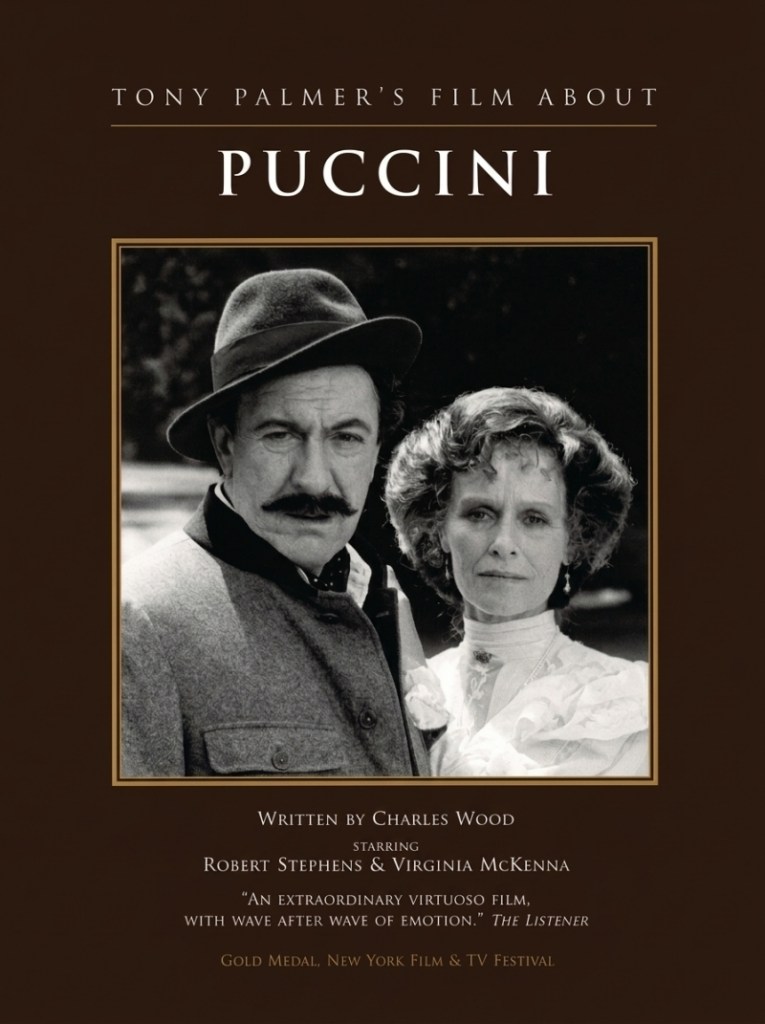
Puccini
Director: Tony Palmer
Writer: Charles Wood
Stars: Robert Stephens, Virginia McKenna, Judith Howarth


發表留言